
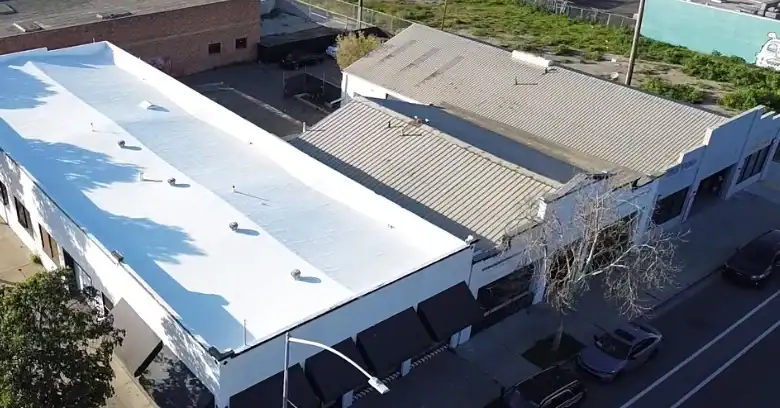
Comparing Commercial Roofing Contractors Near Me in Central Coast California?
Creative Roofing deals with the flat and low-slope roofs that sit above working buildings, wherever a building needs a sound roof around Central Coast California.
Phone 805-723-2381 to arrange a visit to the property.
Why a Building Roof Is a Different Animal
A building roof is built around drainage and access rather than steep pitch, and the tradesmen who work on them need specific experience. Waterproofing on a low slope comes from the sheet itself rather than from the angle, so installation craft counts for a great deal.
Tenants and staff notice a drip long before an owner sees the cause, and a dry building is the whole point.
What Building Roofs Are Made Of
Single-ply roofing arrives in large rolls and is joined at the seams on site, so the choice affects how repairs are done later. Asphalt-based systems are proven and repairable but heavier than single-ply sheets, and the layers add redundancy. Coated metal panels have become common on newer low-rise construction, and an honest contractor will explain the limits.
How Water Leaves a Building Roof
Standing water is the most common enemy of a low-slope roof, and drains need to be clear before the rainy season begins. Drains, scuppers and gutters collect water and carry it away from the building, and the first heavy rain turns it into a plug.
Rooftop Equipment and Penetrations
Every unit on a roof is a potential entry point for water, and many leaks start there rather than in the open field. A roof that has regular service visits needs protection along the paths, so the best owners plan the routes in advance.
Sun, Heat and Energy Use
A flat roof takes the full force of the sun for most of the day, and reflective surfaces stay cooler. Owners often look at reflective roofing for the savings on cooling, so ask a contractor to explain what to expect.
Looking After a Roof Between Repairs
Roof maintenance is a habit more than a project, and it gives you a record to show a buyer or lender. Typical upkeep includes clearing drains, checking seams and sealing small cracks, and the details are worth a closer look.
When a Roof Reaches the End of Its Life
Localized damage can be repaired without touching the rest of the roof, and saving a good roof is cheaper than replacing it. A roof that is wet inside cannot be coated or patched into good health, so a clear diagnosis matters.
Tenants, Customers and Noise
Roofers often work in phases so a store can stay open, and it pays to think it through. Fall protection is required on commercial roofs, and a professional crew uses it, and that is a reasonable thing to discuss in advance.
Reading a Roof Proposal
Look for details about seams, terminations and penetration flashing, and ask about anything that seems vague. Photographs and written records of the installation are useful for the owner, so make it part of the agreement.
Where the Water Really Gets In
On a flat roof the spot where water drips inside is rarely the spot where it came in, and the roofer has to follow the evidence across the roof. The edges and the corners are where a flat roof tends to give way first, and the open field is checked last. Testing helps decide whether a repair will hold or the roof needs more extensive work, and a clear map makes planning easier.
Holding the Roof Down
Strong seasonal winds pull hardest at the perimeter of a low-slope roof, and repairs there should not wait. Loose trim lets wind get under the membrane and peel it back, so it deserves a look after any windy spell.
Terminations and Transitions
Where a flat roof stops against a wall, flashing has to turn the membrane up and seal it, and a gap at the top lets water run down behind the membrane. Counterflashing and termination bars hold the membrane to the wall and keep water out, and ignoring it can undo a good roof.
Restoring a Roof Without Tearing It Off
Restoration coatings are meant for roofs that are still basically sound, and the right product depends on the existing membrane. Coatings cannot fix a roof with wet insulation or widespread damage, and an honest contractor will say so.
Distribution Centers and Shopping Centers
Materials arrive by the truckload and are lifted to the roof with cranes, so coordination with the building operator is essential. Shared roofs raise questions about who is responsible and who pays, so the plan should name each area. Planning around families and daily routines matters on a residential property, and noisy work is timed with consideration.
The Long View on Roof Spending
Thinking about the roof as a recurring cost makes budgeting easier, and a little care goes a long way. Choosing on the lowest initial figure alone can cost more over the life of the building, and the details in the scope explain the difference.
What Sits Between the Deck and the Membrane
Insulation under a flat roof keeps the building comfortable and reduces energy use, so keeping them dry is essential. Cover boards add a firm surface that protects insulation from foot traffic and hail-free impacts, and that is worth keeping in mind. Angled boards direct water toward drains and reduce ponding, and it is a good time to ask about it.
Getting a Roof Ready Before the Rains
Rooftop units should be examined for loose panels, failed seals and missing fasteners, since a stray panel can let rain into the system, and share the results with the owner.
Talk to Us About Your Building
A conversation about Commercial Roofing Contractors Near Me in Central Coast California usually starts with the age and type of the roof, and the number is 805-723-2381. Calling sooner rather than later keeps repair costs and disruption smaller, and the roof will tell the story once someone looks. A visit to the property turns a general worry into a specific plan, and describe what you are seeing. Tenants, lenders and insurers all take an interest in the state of a roof, and that is worth keeping in mind.






















