
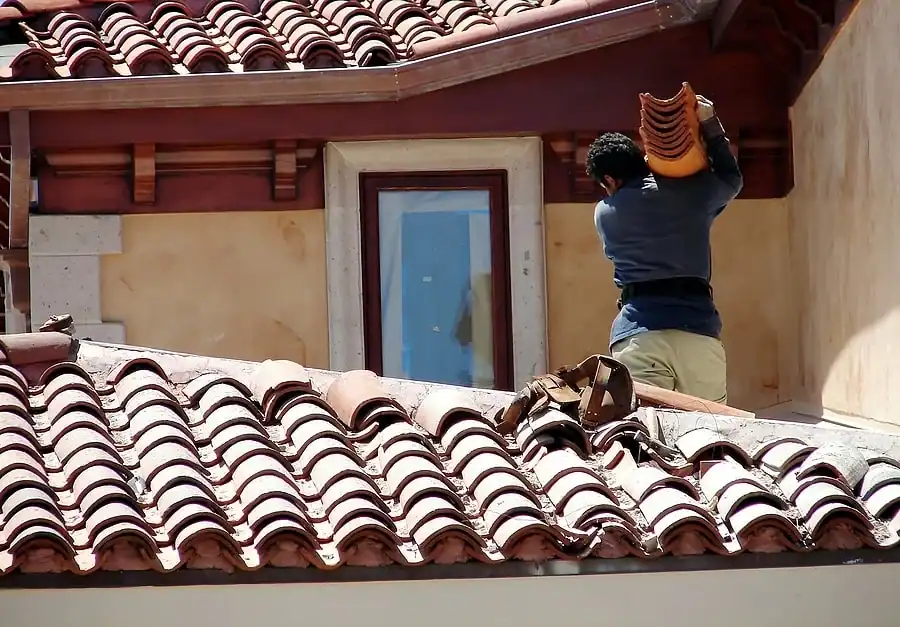
Weighing Concrete Tile Roofer Services in Central Coast California?
Creative Roofing keeps barrel, flat and interlocking roofs weathertight from the deck up, from Central Coast California out to the surrounding area.
Reach us at 805-723-2381 to talk through what a tile roof needs.
Clay and Concrete Units in Plain Terms
A roof of this kind is a layered system in which each piece overlaps the next and the structure beneath does the waterproofing, and that is worth keeping in mind. Each type comes in profiles from rounded barrels to flat slabs and interlocking shapes, and the style often follows the architecture of the house.
Checking the Rafters Before Choosing
Many houses built for tile are designed to carry it, while others would need reinforcement, so a visual check is where the process begins. Replacing a lighter covering with a heavier one without checking the structure is a serious mistake, and the details are worth a closer look.
Felt, Membranes and Battens
Water gets under the pieces during wind-driven rain, and the underlayment carries it down and out, and a membrane that has dried out is a common reason for leaks. Sun and heat trapped under the units bake the underlayment for years, until it dries, cracks and fails, and that is worth keeping in mind.
Strong Sun and Fired Surfaces
Clay and concrete handle strong sun far better than lighter coverings, which is a large part of their appeal here, and that is why roofs of this kind are so common in warm regions. Moss and lichen are less of a problem in dry summers, though shaded areas may collect some, and surface cleaning is far cheaper than replacement.
Cracks, Slips and Broken Pieces
Slipped pieces that have shifted out of line leave gaps that rain can reach, and replacing a broken piece is a quick job. Roofers who work on fragile coverings place their feet on the lower part of the unit where it is supported, and it is easy to overlook.
Hand-Shaped Metal and Mortar
Every junction on the roof is a place where craft decides the outcome, and metal valleys should be replaced during a re-lay. Ridge and hip pieces are bedded in mortar or fastened with mechanical systems, and the old mortar often fails before the roof does, and a clean ridge line is a sign of good care.
Seasonal Gusts and Embers
Though heavy, individual pieces must be fastened properly or they can slide or lift in strong gusts, so ask how the pieces will be held down. Bird stops and closures at the eave seal the openings where embers might enter, and clean valleys are important.
Options for a Tired Roof
A re-lay means lifting the units, replacing the underlayment and flashing, and setting the pieces back in place, and avoid roofers who recommend replacement without looking. A full replacement is a bigger project, but it resets the clock on the entire roof, and the structure should be reviewed first.
How Units Are Bedded and Secured
Each fastening method has strengths, and the choice depends on the slope, the wind exposure and the local rules, and be wary of mortar alone on a ridge. A missing eave closure is easy to spot from the ground as a dark gap along the lower edge of the roof, and a tidy edge looks better as well.
Cleaning a Heavy Roof Without Damaging It
Cleaning should be done carefully by someone who knows the material, since walking on the roof is a risk to the units themselves, and a sealer can slow the return of stains. High pressure is the wrong tool for a roof made of individual pieces, because the water is driven uphill under the laps, and it is easy to overlook.
Specifying the Hidden Layer
The underlayment is the part of a roof of this kind that owners cannot see and roofers can easily skimp on, so it deserves specific attention in a proposal, and why. Combining a sturdy base layer with extra protection at critical points gives a roof two lines of defense, and good detailing here pays off for decades.
Rooftop Additions on a Roof of Many Pieces
Each penetration through the covering is a place where a unit must be cut, and cut pieces are more likely to crack later, so coordinate the roofer with any other trade. Satellite dishes, antennas and holiday lights are small additions that can break units if the installer is careless or the fasteners are driven in the wrong place, and replacing a unit is far cheaper than repairing the leak. A valley that is clogged with leaves and needles can send water sideways under the units, which they are not designed to handle, and a small repair now prevents a leak later.
Two Materials, Two Personalities
Clay units are fired at high temperature, and their color runs all the way through, so a chip or scratch does not show a different shade beneath, and the better choice depends on the house and the budget. Matching the profile to the style of the house is the first design decision, and it affects the cost and the installation method, and take your time with the choice.
Questions Worth Asking
A proposal that only says re-lay the roof does not tell you enough, and the details are what you are really buying. Find out whether the crew has experience on heavy roofs and can show examples of finished work, and the details are worth a closer look.
What Happens on Site
Each section of the roof is stripped down to the underlayment, repaired and covered with fresh waterproofing before the units go back, and the whole process takes patience.
Roofs of Fired Clay and Concrete in Wind and Fire Country
Clearing leaves and needles from valleys, gutters and the back of chimneys removes fuel that could ignite from a flying ember, and a roofer can check them quickly.
Keeping Track of a Long-Lived Roof
Photographs taken during the work show what lies under the units, which is a view that nobody sees again for decades, and it costs almost nothing to keep them.
Next Steps for Your Roof
People researching Concrete Tile Roofer Services in Central Coast California are welcome to call with questions, and 805-723-2381 reaches someone who can help. There is no pressure in asking about your roof, and a little care goes a long way.






















