
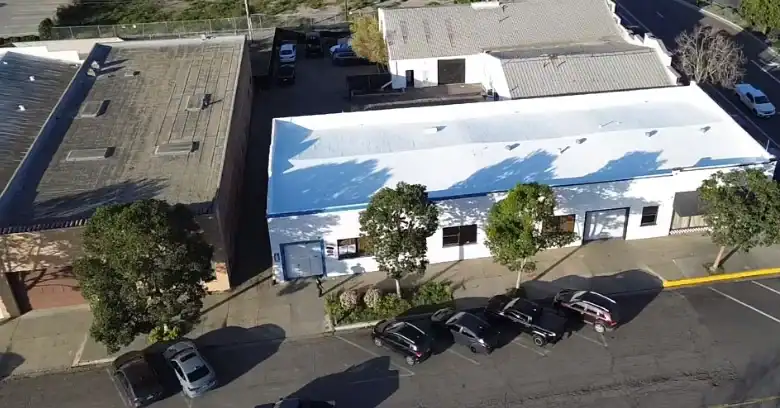
Looking Into Flat Roofing Companies in Central Coast California?
Creative Roofing repairs and replaces the level roofs that cap porches, patios, shops and modern homes, throughout Central Coast California and the neighboring communities.
Reach us at 805-723-2381 to arrange a visit to look at the roof.
How a Flat Roof Differs From a Pitched One
Where a pitched roof sheds rain in seconds, a level roof holds it for hours or days, and the quality of the seams decides everything. Standing water multiplies every defect and speeds up aging, so it pays to hire people who work on flat roofs regularly.
The Systems You Will Hear About
The seams on thermoplastic sheets are fused rather than glued, which makes them strong, and the quality of the welds is the main concern. The big rolls of rubber cover large areas with few seams, so periodic inspections are wise. Layered asphalt systems have been used for generations and are valued for redundancy, and repairs can be made in place.
The Weak Points of a Level Roof
Failures concentrate wherever the membrane stops or is cut, and shortcuts miss the trouble. Termination bars and sealant hold the top edge of the membrane against the wall, and redoing sealant is routine upkeep.
Ponding, Drains and Rain Bursts
Water that does not drain adds weight, breeds algae and ages the surface faster, so check drains before the rains begin. Fixing the cause of ponding is better than repeatedly patching its effects, so ask for a plan to improve drainage.
Sunshine, Heat and Aging
Dark surfaces can reach temperatures much higher than the surrounding air, and the movement stresses seams and fasteners. Reflective surfaces keep rooms below cooler and may reduce the load on air conditioning, and that is worth keeping in mind.
Foot Traffic, Equipment and Penetrations
Every pipe, vent and curb through a flat roof is a place where the membrane has to be cut and sealed, and replacing a worn collar is a quick job. Regular foot traffic wears a path in the surface unless it is protected, so ask the roofer to mark and protect the routes.
What a Roof Can Still Do
Targeted repairs buy time and protect the interior while a bigger plan is made, and the details are worth a closer look. These options depend on the condition of the insulation under the old surface, and the survey is worth the small cost. Removing the old layers lets the deck be inspected and any damaged wood replaced, and that is worth keeping in mind.
Patios, Garages and Modern Homes
A level porch roof may look like a minor part of a house, yet it protects the walls and the ceiling beneath it just as a main roof does, and a shingle crew may not be the right choice. A bead of caulk across that joint might hold for a season, but a proper counterflashing is the lasting answer, and describe where the stain appears. Roof decks and patios built over living space need a waterproofing layer under the finished surface, and a failure there can be expensive to reach, so involve the roofer early.
Heat Gain and Thermal Layers
Because there is often little or no open space under the deck, heat from a hot summer day passes quickly into the rooms below unless the roof is well insulated, and it is easy to overlook. Replacing only the saturated sections can restore performance while leaving the dry parts in place, and that is often cheaper than a full tear-off.
Small Habits That Prevent Big Leaks
Photographs taken each year create a record that makes changes easy to see, and call a roofer if anything looks suspicious. Noting the date and the weather when a leak appears helps the roofer find the cause, and cover furniture beneath a drip.
Perimeter Details and Uplift
Edge metal, copings and terminations have to be fastened to a set pattern and sealed at the joints, or wind will find the gap and work it open, so ask how the edges will be attached. Gravel on a flat roof is not decoration, because it protects the membrane from sun and holds it in place against uplift, and replace what has blown away. A careful roofer walks the roof beforehand and counts every penetration, then includes them all in the proposal, so be there for the visit if you can.
Skylights, Hatches and Vents on a Level Roof
Each opening is a separate detail, and each one should be listed in the written proposal, so ask how every opening will be handled. Gathering the pipes and conduits into fewer penetrations reduces the number of places where leaks can begin, and mark each one on a sketch. Drains and scuppers are also penetrations, and the flashing around them has to be watertight while still letting the water through quickly, and a quick look takes only a minute.
What the Paperwork Should Say
A bid that only says new flat roof does not tell you what you are buying, so ask for the details in writing. A roofer with plenty of flat roof experience can explain problems before they occur, and trust the overall impression.
What to Expect on the Days of the Work
Hot-applied and adhesive systems give off smells while they cure, so windows and vents near the work area are usually closed for a day, so ask how the schedule will work.
What People Wonder When the Roof Is Flat
A roof with no visible slope is not necessarily failing, since most are designed with a gentle fall toward the drains, so do not hesitate to ask.
Next Steps for Your Roof
People researching Flat Roofing Companies in Central Coast California are welcome to call with questions, and the number is 805-723-2381. Calling before a problem becomes urgent makes it easier to compare options and schedules, and a little care goes a long way.






















