
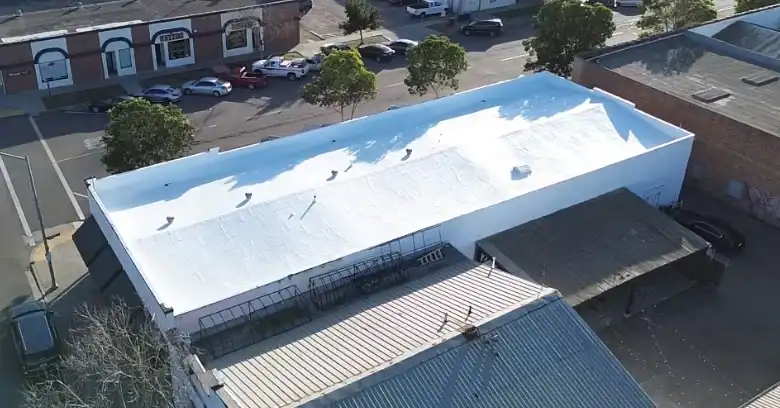
Looking Into Flat Roof Companies Near Central Coast California?
Creative Roofing installs membranes, coatings and built-up layers on roofs that barely shed water on their own, from Central Coast California out to the surrounding area.
Ring 805-723-2381 to talk through repair, coating or replacement.
How a Flat Roof Differs From a Pitched One
A roof with barely any pitch is a different design problem from the ordinary sloped kind, and that is worth keeping in mind. Careful work at the seams, edges and drains is what keeps one dry, and look at examples of their finished work.
Membranes, Built-Up Layers and Coatings
The seams on thermoplastic sheets are fused rather than glued, which makes them strong, and the quality of the welds is the main concern. Rubber membranes are black or white, and the seams are joined with tapes or adhesives, and the system suits many residential flat roofs. Built-up roofing, often called BUR, layers hot or cold asphalt with reinforcing fabric and finishes with gravel or a cap sheet, and repairs can be made in place.
Details That Fail First
Most flat roof leaks start at a detail rather than in the middle of the roof, so the inspection follows a set order. The edges around the perimeter take the most punishment from sun and wind, and redoing sealant is routine upkeep.
When Water Will Not Leave
Water that does not drain adds weight, breeds algae and ages the surface faster, and a little care goes a long way. Tapered insulation or added crickets can create the slope that a level roof lacks, and the improvement is permanent.
Cool Roof Coatings and Light Membranes
Ultraviolet light and heat are the main forces that age the surface of a low-slope roof in this region, and it is easy to overlook. A white or reflective coating can lower the surface temperature and protect the membrane beneath, and that is worth keeping in mind.
Vents, Pipes and Rooftop Units
Boots, pitch pockets and flashing collars around pipes must be sound and sealed, and plugging with caulk is only a stopgap. Roof-mounted air conditioners and other equipment bring service people who walk on the membrane, and a quick look after any service visit catches new damage.
Matching the Work to the Roof
A skilled roofer can patch a membrane so that the repair outlasts the surrounding area, and temporary fixes should be called what they are. These options depend on the condition of the insulation under the old surface, and wet insulation rules out a quick fix. Replacing wet insulation restores the performance of the roof and the comfort of the rooms below, and ask about drainage improvements in particular.
Residential Low-Slope Roofing
Plenty of ordinary houses have a flat or nearly flat section, whether it is a porch, a garage, a bay or the whole roof of a modern design, and the wrong material on a flat roof will leak. Siding, stucco and trim all have to be worked into the flashing, and the roofer has to cooperate with whoever finished the wall, and a little care goes a long way. Roof decks and patios built over living space need a waterproofing layer under the finished surface, and a failure there can be expensive to reach, and the details should be planned with the whole project.
Energy and the Low-Slope Roof
Because there is often little or no open space under the deck, heat from a hot summer day passes quickly into the rooms below unless the roof is well insulated, and the combination is worth planning. Water that gets into the insulation layer spreads sideways, so the damp area can be much larger than the visible stain on the ceiling, and be skeptical of a bid that skips it.
Keeping a Flat Roof in Shape Through the Year
Walking the roof once a year, in a safe and careful way, reveals problems that are invisible from the ground, and call a roofer if anything looks suspicious. After a heavy storm or a spell of high wind, a quick look from a ladder can show whether anything has shifted, lifted or collected on the surface, so do not wait to see whether it dries out.
Perimeter Details and Uplift
Whether a membrane is fully adhered, mechanically fastened or held down by ballast, the edges are the place where the installation either succeeds or fails, so ask how the edges will be attached. Raking the gravel back into an even layer is a routine job that keeps the protection continuous, and the details are worth a closer look. Crowded rooftops with many pipes and units are slow to roof, because every obstacle needs its own flashing and sealing, and write everything down.
Everything That Breaks the Surface
Replacing a worn skylight and its curb flashing together with the roof is far cheaper than doing the two jobs separately, so ask how every opening will be handled. Plumbing vents, conduits and exhaust ducts pass through the membrane and need boots, collars or pitch pockets that suit the material, and it pays to think it through. A drain bowl that is sealed to the membrane with a clamping ring and sealant keeps water from creeping under the sheet at the outlet, and a little care goes a long way.
Questions for a Flat Roof Contractor
A bid that only says new flat roof does not tell you what you are buying, so ask for the details in writing. The answers tell you more than a brochure or a website ever could, and it is easy to overlook.
What to Expect on the Days of the Work
Removing items from the roof, such as furniture and planters, saves time and prevents damage on the day the work begins, and that is worth keeping in mind.
Common Worries Before a Flat Roof Project
A roof with no visible slope is not necessarily failing, since most are designed with a gentle fall toward the drains, so do not hesitate to ask.
Start the Conversation
People researching Flat Roof Companies in Central Coast California are welcome to call with questions, so dial 805-723-2381 when it suits you. Calling before a problem becomes urgent makes it easier to compare options and schedules, and the first step is just a phone call.






















