
Comparing Luxury Shingle Roofing Contractors in Central Coast California?
Creative Roofing installs and repairs the shingle coverings found on most houses in the area, serving homeowners in Central Coast California and beyond.
Ring 805-723-2381 to talk through shingle styles and what suits the home.
Mat, Asphalt and Granules
The common residential shingle starts as a reinforcing mat, which is coated with asphalt and then surfaced with mineral granules, so the whole shingle depends on all of them. Granule loss is the clearest sign that a shingle is wearing out, and the process only gets faster over time.
How Shingle Lines Differ
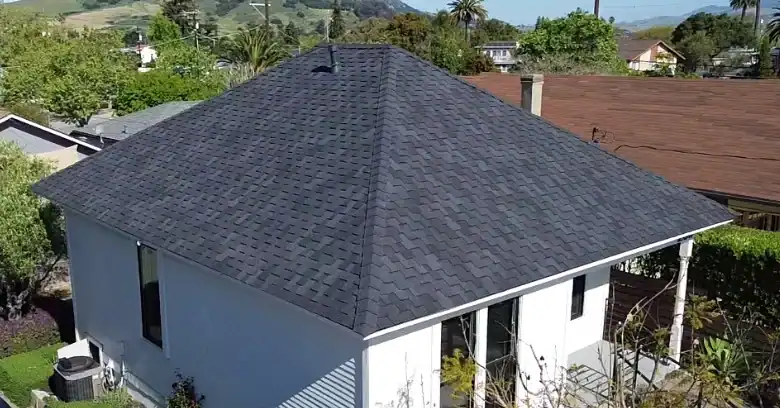
A three-tab shingle has a flat, uniform look and the thinnest profile of any common type, and it remains a reasonable choice in some situations. Architectural shingles are made of two or more laminated layers that give the roof depth and shadow, and the thicker body stands up better to sun. A luxury shingle uses extra layers and special granules to create a handcrafted appearance, and it is easy to overlook.
Strong Sun on Asphalt
The sun does more to age a shingle roof in this region than any other force, and the difference shows how much the sun contributes. A shingle that has begun to curl no longer lies flat against the roof, and each one is a place a leak can start.
Picking a Shade That Works in the Sun
Color is a practical decision as much as a matter of taste, and nearby roofs offer a useful preview. Cool shingle lines are designed to lower roof temperatures without changing the look much, and local rules sometimes encourage them.
How Shingles Are Laid
The nailing line printed on the shingle marks where fasteners must go for the best grip, and overdriven nails cut the mat and create weak spots. A starter strip along the eave and the rake gives the first course a sealed edge and extra grip, and the pattern is part of the manufacturer specification. Special cap products are made to bend without cracking, and replacing a ridge is simple when done in time.
Wind, Seasonal Gusts and Sealing
The adhesive bond is what keeps tabs flat against the roof in a strong wind, and a little care goes a long way. Strong seasonal winds can lift tabs that have lost their seal and tear them off the roof, so a loose shingle should not wait for the next storm.
Balanced Intake and Exhaust
A hot attic cooks the shingles from underneath, and the damage adds to what the sun does on top, and ridge vents work well with soffit intake. Attic fans, gable vents and ridge vents each work differently and should not fight each other, so ask what will be done about ventilation.
Valleys, Walls and Pipes
Felt paper or synthetic sheets cover the deck and give a second line of defense, and it pays to think it through. Valleys are the crossing channels where two slopes meet, and they carry the most water on the roof, and replacing flashing during a re-roof is standard practice.
Is It Time for a New Roof
A roof that sheds grit, lifts at the edges and shows dark patches is reaching the end of its life, and a roofer can sort the serious from the cosmetic. Repairing a small area costs far less than a full replacement when the surrounding roof is sound, and the key is an honest assessment. Replacement is the sensible answer once the field of shingles has lost its protective surface, and a full replacement gives a fresh start.
The Deck Decides What Happens Next
Old shingles come off in sections and go straight into a bin, leaving a clean deck ready for the next step, so the plan should allow for repairs to the wood. Local rules often limit the number of layers a roof may carry, and many roofers prefer a clean start in any case, and the decision deserves a little thought. Agreeing on how replacement boards are measured and charged prevents a dispute halfway through the job, and good communication keeps everyone calm.
What the Site Should Look Like at the End
Planning where the dumpster, the ladders and the materials will go avoids damage to lawns, driveways and sprinklers, and it is easy to overlook. Rolling magnets across the lawn, the driveway and the planting beds collects what a rake and the eye miss, and it is reasonable to inspect it together. Gutters should be cleared of granules and debris once the new roof is on, since the first rains will wash any leftovers into the downspouts, and a clear gutter is cheap protection.
Planning Around Rain and Heat
Most replacements here are scheduled for the long dry season, which gives the roof time to settle before the first winter storm, and flexibility makes scheduling easier. Shade, water and early starts are the usual ways of coping with the heat on a dark roof, and patience pays off in the finished roof.
Working Around Things That Share the Roof
A re-roof is the right moment to replace worn skylight curbs, chimney flashing and cracked sealant, before they cause trouble, and replacing them together saves money. Solar panels bolted to a shingle roof have to be removed and reinstalled when the roof is replaced, so the two projects should be planned together, and get the plan in writing.
Making a Repair Look Right
Manufacturers change colors and blends over time, so an exact match for a discontinued shingle may simply not exist anymore, and function matters more than appearance here.
The Edge Details That Finish a Shingle Roof
Without proper edging, rain can wick behind the shingles and attack the sheathing and fascia board over the following seasons, and a little care goes a long way.
Questions for a Shingle Roofer
Specific wording is the best protection against surprises, and read them slowly. A roofer who explains the process clearly is usually one who follows it, and it is easy to overlook.
Ready to Compare Options
Those comparing Luxury Shingle Roofing Contractors in Central Coast California can reach us by phone, with 805-723-2381 ready whenever you want to talk. Even a quick call can clear up questions about shingle grades, colors and timing, and the roof will tell the story once someone looks.






















