
Ready for Luxury Shingle Roof Contractors for a Home in Central Coast California?
Creative Roofing works with layered shingles, starter strips, underlayment and ridge caps, serving homeowners in Central Coast California and beyond.
Ring 805-723-2381 to talk through shingle styles and what suits the home.
Inside a Shingle
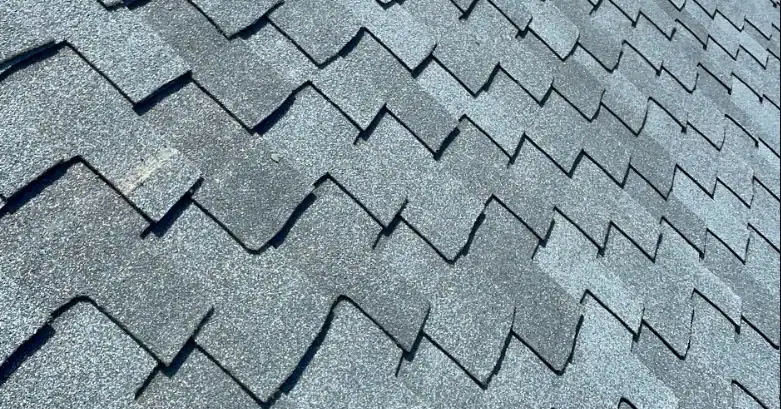
Behind the familiar look is a layered construction, and each part has a job to do. Stone granules reflect part of the sun and keep the asphalt from baking, and bare patches show up as dark spots.
Shingle Grades Explained
The basic strip shingle is a simple product with a simple appearance, so many homeowners compare it with thicker lines. The extra layer adds weight and strength, and the cut pattern breaks up the lines, and the details are worth a closer look. Higher grades cost more, and the look is the main reason to pay for them, and the framing should be checked before choosing the heaviest types.
Strong Sun on Asphalt
The sun does more to age a shingle roof in this region than any other force, so those slopes make a useful gauge of overall condition. A shingle that has begun to curl no longer lies flat against the roof, and it pays to think it through.
Light Versus Dark
Lighter shingles reflect more of the summer sun and keep the roof surface cooler, and a sample held up outdoors shows the shade truthfully. Cool shingle lines are designed to lower roof temperatures without changing the look much, and the details are worth a closer look.
The Craft Behind a Good Install
The nailing line printed on the shingle marks where fasteners must go for the best grip, and overdriven nails cut the mat and create weak spots. The row at the eave is the most exposed to wind and water, which is why it gets special treatment, and crooked rows are a warning. A properly installed ridge looks neat and stays tight against the weather, and the ventilation opening below the cap should stay clear.
Gusts and Loose Tabs
Seal strips need warmth to activate, which is why roofs installed in cool weather may take longer to bond, so the two work together. Wind rarely harms a well-sealed roof, but it finds every weak spot on an old one, and a prompt repair prevents a leak.
Attic Ventilation and Shingle Life
Poor ventilation is one of the quietest causes of early shingle failure, and the plan should be part of the proposal. More vents is not better, and mixing types can short-circuit the flow, and avoid anyone who ignores the question.
Flashing, Valleys and Underlayment
The underlayment is the water-resistant layer under the shingles that catches whatever gets past the surface, and it pays to think it through. An open valley shows a strip of metal, while a closed valley is covered with shingles, and these details cause most leaks on shingle roofs.
Reading the Roof
Several signs together point to a roof that needs more than a patch, and early action keeps choices open. A few damaged shingles can often be replaced without touching the rest of the roof, and the savings can be substantial. A roof that is worn out everywhere will keep leaking in new places however many patches it gets, and choose the new shingles with care.
What Lies Under the Existing Roof
Down to bare wood is how a careful crew starts, because new shingles are only as sound as the surface they are nailed to, and it pays to think it through. Overlaying is a shortcut that a careful roofer will explain before agreeing to it, and a little care goes a long way. Damaged decking is the most common surprise on a roofing job, and a good proposal says how it will be handled, and the details are worth a closer look.
Debris, Magnets and Final Sweeps
A shingle tear-off throws old material in every direction, so a careful crew covers plants, vents and the ground before the first piece comes off, so ask how the yard will be protected. Nails are the main hazard left behind after any roofing job, and a magnetic sweep of the yard and driveway is standard practice, so walk the yard with the foreman at the end. Letting grit and leaves pile up in a gutter can lead to overflow along the fascia and the foundation, so make it part of the routine.
Dry Months and Warm Days
Timing a project well means picking a stretch of dry days and leaving some room for delays, and the busiest months fill up quickly. Crews adjust to the heat by working early and finishing before the worst of the afternoon, which protects the material and the people, and patience pays off in the finished roof.
Coordinating With Other Trades
Openings in a roof have a real effect on the quality and cost of a shingle project, so list everything on the roof when you ask for proposals. Solar panels bolted to a shingle roof have to be removed and reinstalled when the roof is replaced, so the two projects should be planned together, so ask both contractors how they would proceed.
Blending New Shingles Into an Older Roof
Manufacturers change colors and blends over time, so an exact match for a discontinued shingle may simply not exist anymore, and a small color difference is not a defect.
Carrying Water Away From the House
The roofline is where the roof and the rest of the house meet, and it deserves attention during any replacement, and ask the roofer to flag any rot.
Apples to Apples
Specific wording is the best protection against surprises, and a thorough contractor will be happy to explain. Find out how the crew will protect the house and landscaping during the work, and trust your sense of how the questions are received.
Ready to Compare Options
Anyone sorting out Luxury Shingle Roof Contractors in Central Coast California is one call away from a straight answer, so dial 805-723-2381 when it suits you. Calling before a problem becomes urgent makes it easier to compare materials and schedules, and we are glad to help you sort it out.






















