
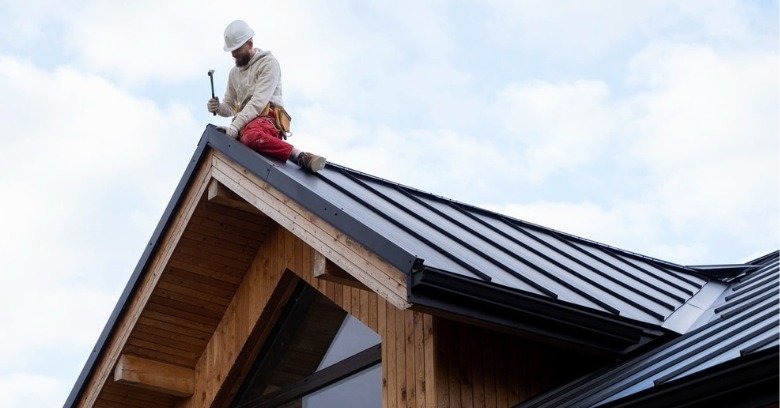
Ready for Corrugated Metal Roofers Serving Central Coast California?
Creative Roofing handles metal roofing for houses, porches, garages and outbuildings, from Central Coast California out to the surrounding area.
Dial 805-723-2381 to talk through the panel styles and what would suit the house.
Panels, Clips and Coatings
Metal roofing means coated steel or aluminum panels fastened over a solid deck and a protective underlayment, so it helps to understand each part. Steel is the most common base metal, usually coated with zinc or a zinc-aluminum alloy for protection, and your roofer can compare them for you.
Choosing a Profile
The raised seams give the roof its clean, linear look and shed water well, and a little care goes a long way. Rounded corrugations and trapezoid ribs give the surface strength and a recognizable look, and the fasteners are the point to watch over time. Stone-coated steel gives the appearance of tile or shake without the weight, and it is easy to overlook.
Strong Sun on a Metal Surface
Months of ultraviolet light fade finishes that are not made to resist it, and that is worth keeping in mind. Reflective and light-colored finishes send more sunlight away and keep the roof surface cooler, so ask what to expect rather than relying on a promise.
Fastening That Lets the Panel Breathe
A panel in summer sun can be measurably longer than the same panel on a cool night, so the system should never trap it. A washer that has gone brittle no longer seals the hole, and it is an easy job when caught early.
Wind, Edges and Seasonal Gusts
Metal panels are strong and well attached, yet wind finds edges before anything else, so trim should be fastened to a proper pattern. Gaps at the ridge are an easy way for leaves, dust and insects to get in, and examine them after a windy spell.
A Noncombustible Covering
A metal covering does not burn, so it avoids one of the main ways a roof can catch fire, and local rules may specify what is accepted. Gutters, vents and the roof edge are where embers tend to collect and ignite materials, and a clean roof helps more than most people expect.
Living Under a Metal Roof
In a house with a normal attic, rain on metal is usually a soft background sound, and the insulation helps even more. Attic comfort is a matter of ventilation, insulation and surface working together, and the details vary from house to house.
How Metal Goes On
Metal panels need a flat, solid deck, and any damaged sheathing is replaced before the panels go on, and that is worth keeping in mind. Penetrations are sealed with purpose-made boots or formed metal pieces, so look at the trim and the corners when the work is done. Lines that run true from ridge to eave are a sign of careful layout, and metal does not forgive careless starts.
Checking on the Finish and the Fasteners
Scratches should be touched up before bare metal is left exposed, and the details are worth a closer look. Dissimilar metals can cause corrosion when they touch in the presence of moisture, and avoid pressure washers on a finish.
Where the Water Goes
Water runs off a metal panel quickly, which puts a lot of flow into valleys and gutters, so check that the system can handle a sudden surge. Gutter placement and drip edge details matter more with metal than with rougher surfaces, and the installer should plan for it.
Deciding Whether to Strip the Old Roof
Overlay is an option that depends on the condition of what is underneath, and a careful inspection decides whether it makes sense. Tearing off the old roof allows the deck to be inspected and repaired, and there is no single right answer.
What the Roof Angle Allows
Not every metal panel is suited to every roof slope, so the roofer has to check before recommending a panel. Porches, patios and additions often have lower slopes than the main roof, and the trim details tie the roofs together.
Thinking Beyond the First Installation
Longevity is the main reason owners accept the higher up-front cost of metal, and it is worth paying for good installation. Keeping records of the installation helps when the house changes hands, so save the paperwork and the touch-up paint.
Avoiding Trouble Before It Starts
Most problems with metal could have been prevented at the start, and it is far easier to prevent than to repair. Special soft-soled shoes and walking only on the flat areas protect the finish, and avoid walking on it if you can.
Comparing Metal Roofing Proposals
A good proposal names the panel profile, the gauge or thickness, the coating and the fastening system, and a thorough contractor will welcome the questions. Metal roofing is a skill, and installing standing seam differs from installing screw-down panels, so do not hesitate to ask.
Looking Good Under a Strong Sun
Color on a metal roof comes from the coating rather than from the metal itself, so ask what finish is on the panels. Dark colors show scratches and fading more quickly under strong light, and do not decide from a screen. Some communities have design review that applies to roof color and style, and approvals take less effort when started early.
The Parts That Frame the Panels
Water coming off a smooth panel needs a proper drip edge to carry it into the gutter instead of behind it, and a neat edge is the mark of a careful crew. Cleaning the gutters before the rainy season is the simplest way to avoid overflow at the eave, and it pays to think it through.
Lead Times and Custom-Formed Panels
Custom-formed panels, trim and flashing are made after the details are settled, which adds a stretch of waiting time at the start of the project, and it varies with the season and the maker.
Next Steps for Your Roof
Homeowners weighing Corrugated Metal Roofers in Central Coast California can begin by describing the house and the look they want, and the number is 805-723-2381. Even a quick call can clear up questions about panels, finishes and timing, and we are glad to help you sort it out.






















