
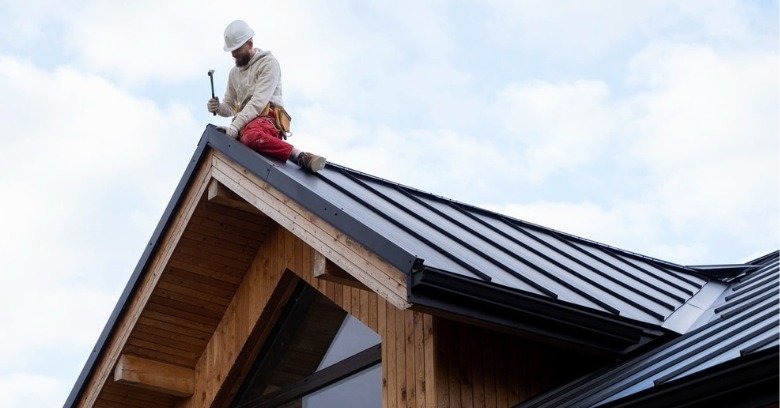
Researching Stone Coated Steel Metal Roofers in Central Coast California?
Creative Roofing puts up ribbed, seamed and stone-coated metal coverings on houses, for homes in Central Coast California and the towns around it.
Reach us at 805-723-2381 and ask about metal for your roof.
Panels, Clips and Coatings
Every metal roof is a combination of panel, fastening method and finish, and that is worth keeping in mind. The base metal and its coating determine how the roof will wear, and it pays to think it through.
The Shapes Metal Takes
The raised seams give the roof its clean, linear look and shed water well, so the seams can be long and unbroken. Exposed-fastener metal is the traditional barn and shed style and is also used on homes, so maintenance is part of the deal. Metal shingles and tiles are stamped to mimic slate, shake or clay while staying light, so they appeal to people who worry about noise.
How Metal Handles a Hot Summer
The summer sun is the main test for a coating on a roof here, and quality finishes are made for that exposure. Reflective and light-colored finishes send more sunlight away and keep the roof surface cooler, so ask what to expect rather than relying on a promise.
Why Metal Moves
Movement is a fact of life for metal, and the design has to allow for it, so the system should never trap it. Screws that back out slightly over time let water in around the head, and the details are worth a closer look.
Trim, Ridge and Rake
Edge trim is the part of a metal roof that the wind tests first, and it is easy to overlook. Gaps at the ridge are an easy way for leaves, dust and insects to get in, so ask about them in the proposal.
Fire, Embers and Metal
Fire resistance depends on the entire assembly, but a metal surface is a strong start, and the details around vents and edges matter as well. Gutters, vents and the roof edge are where embers tend to collect and ignite materials, and trim trees back from the house.
Noise, Insulation and Comfort
People often worry that rain on a metal roof will be loud inside the house, and you can ask to hear a sample on site. Raised battens or a vented space under the panels let hot air move away, and a good answer is specific.
Preparing the Deck for Panels
A good metal roof begins with good preparation of the surface beneath, and not every underlayment suits a metal roof. Penetrations are sealed with purpose-made boots or formed metal pieces, and it pays to think it through. Panels are cut to length, hemmed at the ends and fastened in a set order that keeps them straight, so patience on the first row saves trouble on the last.
Caring for Metal Over Time
A rinse with a garden hose clears dust and keeps the finish looking fresh, and clear leaves from valleys and gutters. Copper gutters or flashing next to bare steel is a combination that invites trouble, and gentle cleaning is usually enough.
Drainage Off a Metal Surface
The first big rain of the season tests every drainage detail on a house, and the dry months are the time to prepare. Gutter placement and drip edge details matter more with metal than with rougher surfaces, and it pays to think it through.
Deciding Whether to Strip the Old Roof
Installing over old shingles is possible when the roof is flat, sound and carries only one layer, and a careful inspection decides whether it makes sense. Tearing off the old roof allows the deck to be inspected and repaired, and it costs more in time and disposal.
Roof Pitch and Metal Choices
Steep roofs can use almost any panel, but low slopes need seams that lock tight, and it is easy to overlook. Combining two panel types on one house is common and usually works well, and a good installer will have done it before.
Thinking Beyond the First Installation
The material itself does not rot, crack or curl the way other coverings can, and corners cut at any stage show up later. Appearance, durability and fire resistance all add to the appeal, and future owners will appreciate it.
Avoiding Trouble Before It Starts
Noise from movement usually means the panels were pinned down where they should have been free to slide, so experience counts for more than a low figure. Special soft-soled shoes and walking only on the flat areas protect the finish, and call a professional for anything serious.
Comparing Metal Roofing Proposals
Panel thickness is measured in gauge, and a lower number means thicker metal, and compare two proposals line by line. Questions about past projects of the same type are reasonable, and listen to how the answers are given.
Choosing Colors and Finishes
Baked-on paint systems protect metal panels and give them their color for many seasons, and cheaper coatings fade faster. Dark colors show scratches and fading more quickly under strong light, and take it outdoors. Some communities have design review that applies to roof color and style, so make it part of the early conversation.
Gutters, Trim and the Finishing Touches
A clean edge detail matters on a smooth metal surface, where every line shows from the street, and the right trim makes the roof look intentional. Cleaning the gutters before the rainy season is the simplest way to avoid overflow at the eave, and a quick look takes only a few minutes.
Ordering Metal for Your Roof
The wait between choosing a color and receiving the material is a normal part of a metal job, and ask for an honest estimate of the wait.
Next Steps for Your Roof
A conversation about Stone Coated Steel Metal Roofers in Central Coast California usually starts with the style of the home, so dial 805-723-2381 when it suits you. There is no pressure in asking about a metal roof, and the roof will tell the story once someone looks.






















