
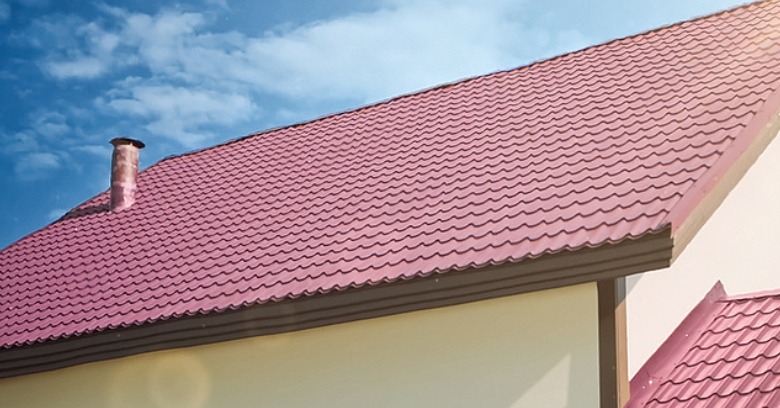
Ready for Corrugated Metal Roofing Throughout Central Coast California?
Creative Roofing works with metal panels, clips, trim and the details that hold them together, throughout Central Coast California and the neighboring communities.
Ring 805-723-2381 and describe the roof you have in mind.
Panels, Clips and Coatings
A metal roof is a system of formed panels, fasteners, trim and underlayment that works together, and the quality of the whole depends on the weakest piece. Copper and zinc are used on special projects and age with a distinctive patina, and the finish is as important as the metal.
Choosing a Profile
Standing seam is the style most people picture when they think of a modern metal roof, and the system is generally more expensive than exposed-fastener types. Corrugated and ribbed panels are fastened with screws that pass through the face of the sheet, and the fasteners are the point to watch over time. Stamped metal tiles and shingles come in a wide range of looks, and it is easy to overlook.
Heat and Light Over Time
Metal responds to the sun more rapidly than most coverings, warming by day and cooling at night, and that is worth keeping in mind. Cool-roof coatings are designed to reflect sun and shed heat quickly, and it pays to think it through.
Fastening That Lets the Panel Breathe
Daily swings in temperature put constant stress on the fastening points, and clips are designed to let the panel slide. A washer that has gone brittle no longer seals the hole, and replacement screws are cheap.
Gusty Weather and a Metal Roof
Seasonal gusts pull hardest at the corners, the rakes and the ridge, so trim should be fastened to a proper pattern. Gaps at the ridge are an easy way for leaves, dust and insects to get in, and replacing a worn one is simple.
Fire, Embers and Metal
Wildfire season has made many homeowners look closely at noncombustible roofing, and it pays to think it through. Gutters, vents and the roof edge are where embers tend to collect and ignite materials, and a clean roof helps more than most people expect.
Noise, Insulation and Comfort
The sound of weather depends on what is under the metal, and the details are worth a closer look. A metal system does not replace insulation, but it can cooperate with it, and it is easy to overlook.
Installation Details That Matter
The deck beneath a metal roof must be sound, smooth and securely fastened, and the details are written into a proper proposal. Penetrations are sealed with purpose-made boots or formed metal pieces, so look at the trim and the corners when the work is done. Lines that run true from ridge to eave are a sign of careful layout, and small errors add up quickly.
Maintenance and Longevity
Yearly attention to fasteners, seams and trim keeps a metal roof sound, and the details are worth a closer look. Dissimilar metals can cause corrosion when they touch in the presence of moisture, and avoid pressure washers on a finish.
Where the Water Goes
The first big rain of the season tests every drainage detail on a house, and that is worth keeping in mind. Gutter placement and drip edge details matter more with metal than with rougher surfaces, and the installer should plan for it.
Retrofit Questions
Installing over old shingles is possible when the roof is flat, sound and carries only one layer, and hidden problems under old shingles stay hidden. Removing the old layers gives the new roof a clean start and exposes any damage underneath, so owners weigh the benefits against the effort.
Low Slopes and Steep Pitches
Exposed-fastener panels generally need a steeper slope than standing seam, so the roofer has to check before recommending a panel. Porches, patios and additions often have lower slopes than the main roof, so ask to see examples.
Durability, Resale and Upkeep
Longevity is the main reason owners accept the higher up-front cost of metal, and cheap panels with thin paint age faster. A clean, well-documented roof makes a persuasive case, and a little care goes a long way.
Mistakes to Avoid With Metal
Noise from movement usually means the panels were pinned down where they should have been free to slide, and the details are worth a closer look. Heavy foot traffic on thin panels leaves marks that never go away, and a small touch-up prevents a big problem.
Getting Specific About the System
Look for the base metal, the finish and the attachment method written out in plain terms, and it is the specifics that you are really buying. A contractor with experience can explain problems before they happen, and a confident roofer will be happy to oblige.
What the Coating Is Made Of
A good finish is the first defense against weather and the most visible part of the roof, and a little care goes a long way. Samples held up against the siding and the trim reveal how colors work together, and the light changes the look through the day. Rules differ from one town to the next, so a general answer is rarely enough, so make it part of the early conversation.
The Parts That Frame the Panels
Water coming off a smooth panel needs a proper drip edge to carry it into the gutter instead of behind it, and a neat edge is the mark of a careful crew. Metal sheds leaves quickly, and they land in the gutters in a heap during autumn winds, so schedule a check at the end of summer.
Why Metal Jobs Take a Little Longer to Start
Standard shingles can be delivered the next day, but metal panels and matching trim often have to be produced to order first, and a little care goes a long way.
Start the Conversation
Homeowners weighing Corrugated Metal Roofing in Central Coast California can begin by describing the house and the look they want, and the number is 805-723-2381. Whether the roof is leaking now or you are simply planning ahead, an early conversation keeps your options open, and the details are worth a closer look.






















