
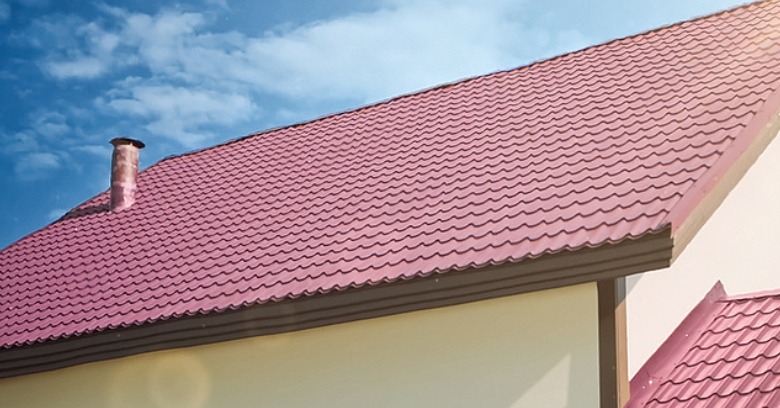
Looking Into Metal Roofing Contractors Near Me for a Home in Central Coast California?
Creative Roofing builds and repairs metal roofs, from simple ribbed sheets to concealed-fastener systems, from Central Coast California out to the surrounding area.
Phone 805-723-2381 and describe the roof you have in mind.
Metal Roofing in Plain Terms
Every metal roof is a combination of panel, fastening method and finish, and that is worth keeping in mind. Aluminum is lighter and resists rust naturally, which suits some situations, and each material has its own strengths.
The Shapes Metal Takes
Concealed clips hold standing seam panels without putting screws through the surface, and the panels are formed to length on site or at a shop. Exposed-fastener metal is the traditional barn and shed style and is also used on homes, and many owners are happy with the trade-off. Stone-coated steel gives the appearance of tile or shake without the weight, and the granule surface also quiets the sound of rain.
How Metal Handles a Hot Summer
Months of ultraviolet light fade finishes that are not made to resist it, and that is worth keeping in mind. Special pigments can keep even a dark color cooler than ordinary paint, and it pays to think it through.
Fastening That Lets the Panel Breathe
A panel in summer sun can be measurably longer than the same panel on a cool night, and fastening in the wrong place can cause noise or damage. Screws that back out slightly over time let water in around the head, and replacement screws are cheap.
Holding Metal Down in the Wind
Edge trim is the part of a metal roof that the wind tests first, and the installer should explain the attachment method. Gaps at the ridge are an easy way for leaves, dust and insects to get in, and examine them after a windy spell.
Ember-Resistant Details
Wildfire season has made many homeowners look closely at noncombustible roofing, and local rules may specify what is accepted. Keeping the roof clean is part of keeping a house safer in dry months, and a metal roof makes the job easier.
Living Under a Metal Roof
The sound of weather depends on what is under the metal, and the insulation helps even more. Ventilation under the roof deck still deserves attention with any covering, and a good answer is specific.
How Metal Goes On
A good metal roof begins with good preparation of the surface beneath, and heat-resistant types last longer. Transitions between slopes need precise cutting and folding, and sloppy details tend to leak. Snap-lock panels are pressed together row by row as the roof goes up, and a straight roof looks as good as it performs.
Caring for Metal Over Time
A rinse with a garden hose clears dust and keeps the finish looking fresh, and clear leaves from valleys and gutters. Fasteners must be compatible with the panel metal to avoid galvanic reactions, and avoid pressure washers on a finish.
Gutters, Valleys and Runoff
Water runs off a metal panel quickly, which puts a lot of flow into valleys and gutters, and the dry months are the time to prepare. Water leaving a smooth panel can shoot past a standard gutter in a heavy downpour, and the installer should plan for it.
Metal Over an Existing Roof
Overlay is an option that depends on the condition of what is underneath, and hidden problems under old shingles stay hidden. Removing the old layers gives the new roof a clean start and exposes any damage underneath, so owners weigh the benefits against the effort.
Low Slopes and Steep Pitches
Steep roofs can use almost any panel, but low slopes need seams that lock tight, and it is easy to overlook. Combining two panel types on one house is common and usually works well, so ask to see examples.
Metal Roofs and Long-Term Value
The material itself does not rot, crack or curl the way other coverings can, so the whole system deserves attention. A clean, well-documented roof makes a persuasive case, so save the paperwork and the touch-up paint.
Common Problems and How to Prevent Them
Oil canning, the waviness sometimes seen in flat panel areas, is mostly a matter of handling and fastening, so experience counts for more than a low figure. Walking on a metal roof can dent or scratch it if done carelessly, and a small touch-up prevents a big problem.
What to Ask Before You Choose
Panel thickness is measured in gauge, and a lower number means thicker metal, and compare two proposals line by line. Seeing finished roofs of the same style in person is more convincing than any brochure, so do not hesitate to ask.
Looking Good Under a Strong Sun
Baked-on paint systems protect metal panels and give them their color for many seasons, and the quality of the paint varies between makers. Dark colors show scratches and fading more quickly under strong light, and do not decide from a screen. Some communities have design review that applies to roof color and style, and it is easy to overlook.
Drip Edge, Fascia and Gutters
Water coming off a smooth panel needs a proper drip edge to carry it into the gutter instead of behind it, and that is worth keeping in mind. Cleaning the gutters before the rainy season is the simplest way to avoid overflow at the eave, and a quick look takes only a few minutes.
Ordering Metal for Your Roof
Many metal panels are formed to the exact length of each roof plane, so the job begins with careful measuring rather than a quick order from stock, and it varies with the season and the maker.
Tell Us What You Have in Mind
Homeowners weighing Metal Roofing Contractors Near Me in Central Coast California can begin by describing the house and the look they want, and 805-723-2381 reaches someone who can help. Even a quick call can clear up questions about panels, finishes and timing, so reach out whenever you are ready.






















