Thinking About Metal Shingle Roofing Around Central Coast California?
Creative Roofing installs standing seam, corrugated and metal shingle roofs for homeowners, working across Central Coast California and nearby.
Call 805-723-2381 and describe the roof you have in mind.
What a Metal Roof Really Is
A metal roof is a system of formed panels, fasteners, trim and underlayment that works together, and the quality of the whole depends on the weakest piece. Coatings with a painted finish protect the metal and set the color, so the choice depends on the house and the budget.
Standing Seam, Corrugated and More
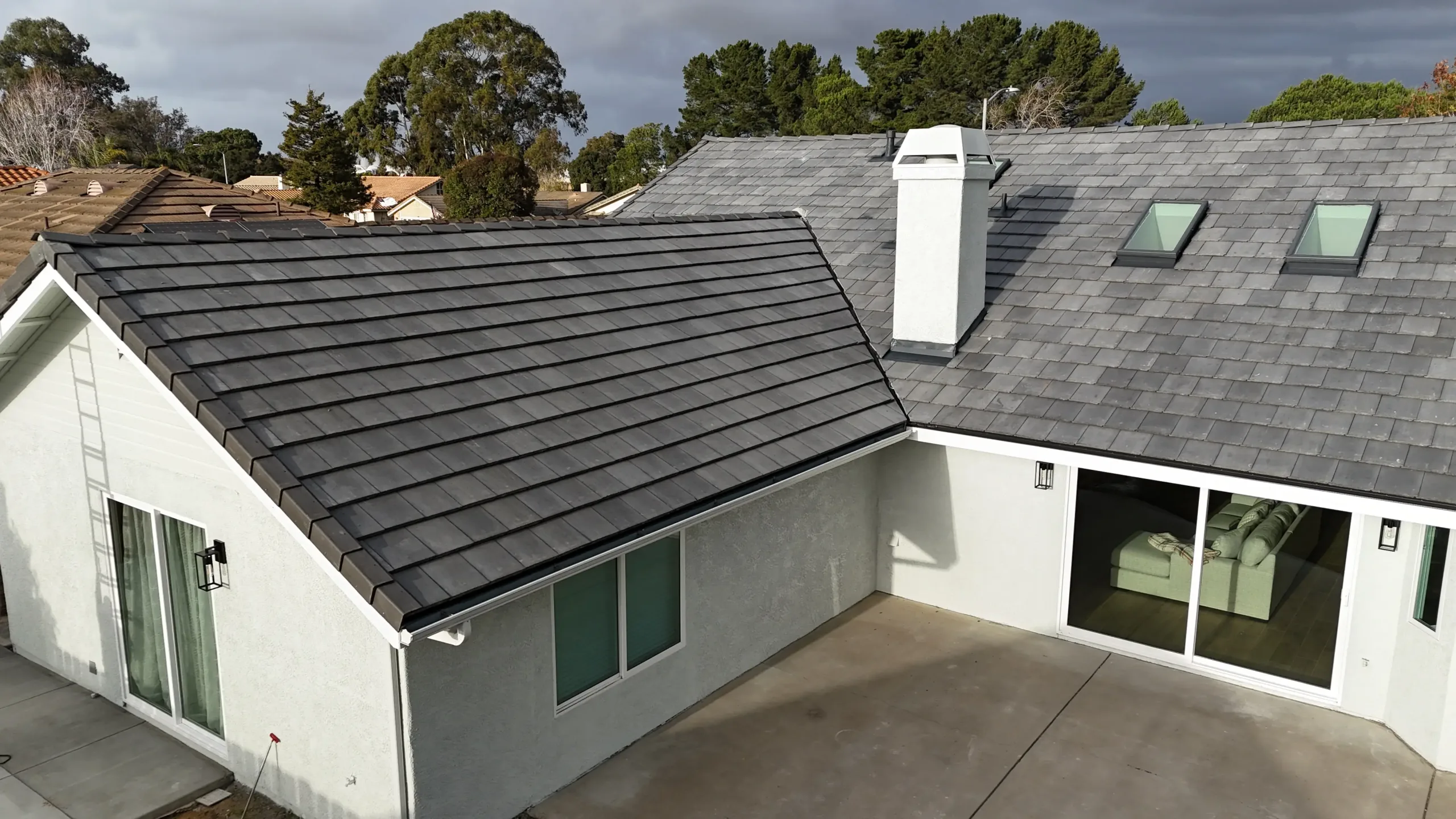
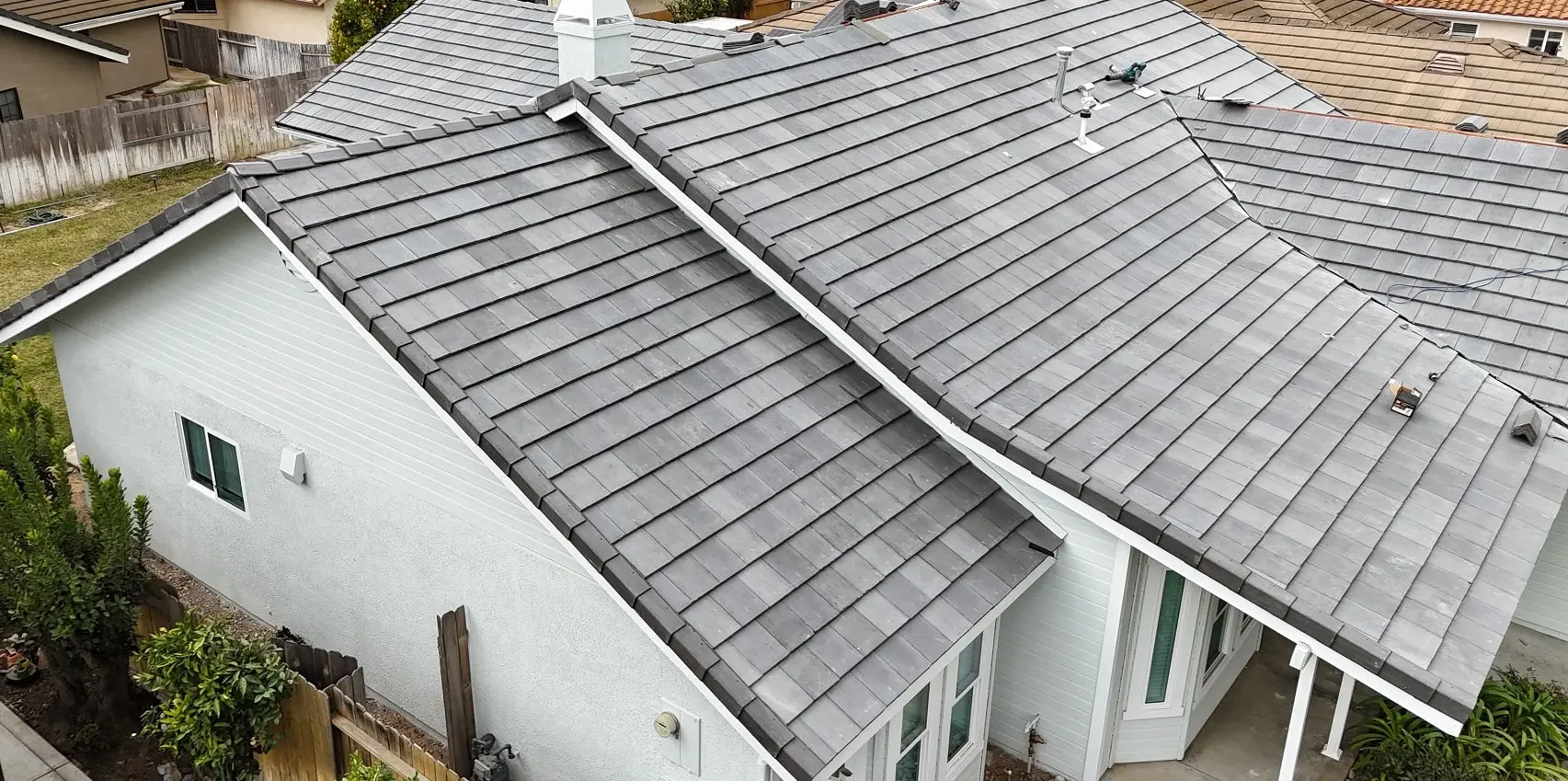
The raised seams give the roof its clean, linear look and shed water well, and a little care goes a long way. Corrugated and ribbed panels are fastened with screws that pass through the face of the sheet, and the washers under the screw heads need periodic attention. Stone-coated steel panels have a granular finish fused to a formed steel base, and the granule surface also quiets the sound of rain.
Sun, Heat and Finish
Intense sunshine heats a metal panel quickly, though the heat leaves just as fast, and quality finishes are made for that exposure. A pale panel reflects more solar energy than a dark one does, and the benefit depends on the house and the attic.
Why Metal Moves
A panel in summer sun can be measurably longer than the same panel on a cool night, and fastening in the wrong place can cause noise or damage. A washer that has gone brittle no longer seals the hole, and replacement screws are cheap.
Wind, Edges and Seasonal Gusts
A well-built roof depends on secure, continuous edge metal, so trim should be fastened to a proper pattern. Closures at the eave and the ridge are small parts with a big job, and that is worth keeping in mind.
Fire, Embers and Metal
Panels made of steel or aluminum do not ignite from windblown embers, and the details around vents and edges matter as well. Gutters, vents and the roof edge are where embers tend to collect and ignite materials, so sweep leaves and needles away regularly.
Rain, Heat and Quiet Rooms
A metal roof over a solid deck, underlayment and attic insulation is much quieter than people expect, and the deck and underlayment absorb most of it. Attic comfort is a matter of ventilation, insulation and surface working together, and the results are noticeable in summer.
The Steps Behind the Surface
Waviness or soft spots in the deck show through thin metal and can cause trouble, so ask which product will be used. Each opening in the roof gets its own detail, and each one is a chance for a leak, and it pays to think it through. A crooked panel at the start of the roof gets worse with every row, and a straight roof looks as good as it performs.
Caring for Metal Over Time
Scratches should be touched up before bare metal is left exposed, and the work takes very little time. Choosing matching metals for trim, flashing and fasteners prevents a common failure, and gentle cleaning is usually enough.
Where the Water Goes
A winter storm can drop a surprising amount of water in a few hours, and gutters must be sized to cope. Overshooting is a known issue where a fast-draining roof empties straight over a gutter, and larger gutters are common with metal.
Metal Over an Existing Roof
Some metal systems are designed for installation over old shingles, while others are not, and a careful inspection decides whether it makes sense. Replacing rotten decking is only possible when the old covering is out of the way, and a good roofer explains both options.
Slope Decides the System
Steep roofs can use almost any panel, but low slopes need seams that lock tight, and it is easy to overlook. A porch roof at a shallow angle may need a different panel than the house above it, and a good installer will have done it before.
What Owners Say Matters Most
Durability depends on the quality of the coating, the panels and the installation, and cheap panels with thin paint age faster. Appearance, durability and fire resistance all add to the appeal, and that is worth thinking about early.
Mistakes to Avoid With Metal
Leaks around penetrations usually come from poor flashing details rather than bad panels, and asking for references is reasonable. Scratches that go through the paint start corrosion in the metal below, and a small touch-up prevents a big problem.
Comparing Metal Roofing Proposals
Vague wording about metal roofing leaves too much to chance, and a thorough contractor will welcome the questions. A contractor with experience can explain problems before they happen, and it pays to think it through.
Paint Systems on Metal
Baked-on paint systems protect metal panels and give them their color for many seasons, and the quality of the paint varies between makers. Dark colors show scratches and fading more quickly under strong light, and take it outdoors. Asking the roofer about local requirements is a sensible first step, and the proposal should reflect them.
Details Around the Edge of a Metal Roof
Water coming off a smooth panel needs a proper drip edge to carry it into the gutter instead of behind it, and the right trim makes the roof look intentional. Metal sheds leaves quickly, and they land in the gutters in a heap during autumn winds, and the roof will repay the effort.
Lead Times and Custom-Formed Panels
Because panels are often rolled to length for a specific roof, accurate measurements and a firm choice of color have to come before anything is ordered, and it varies with the season and the maker.
Tell Us What You Have in Mind
Those comparing Metal Shingle Roofing in Central Coast California can reach us by phone, so dial 805-723-2381 when it suits you. Planning ahead usually leads to better choices than reacting to an emergency, and we are glad to help you sort it out.