
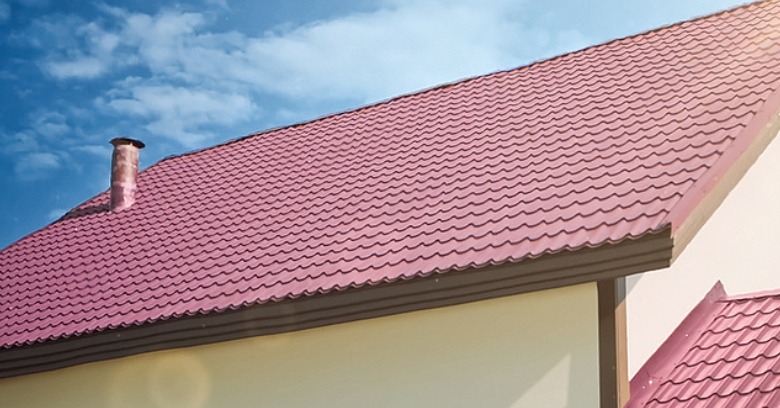
Looking Into Snap Lock Standing Seam Metal Roofing Serving Central Coast California?
Creative Roofing works with metal panels, clips, trim and the details that hold them together, from Central Coast California out to the surrounding area.
Call 805-723-2381 and ask about metal for your roof.
Metal Roofing in Plain Terms
The panels are what you see, but the layers underneath and the trim around the edges matter just as much, so it helps to understand each part. Aluminum is lighter and resists rust naturally, which suits some situations, and the finish is as important as the metal.
Standing Seam, Corrugated and More
Standing seam panels run from the ridge to the eave with raised ribs that interlock, hiding the fasteners, and snap-lock and mechanical-lock versions differ in how the seams close. Corrugated and ribbed panels are fastened with screws that pass through the face of the sheet, and the details are worth a closer look. Many homeowners choose these products when they want a traditional look in a metal system, and the granule surface also quiets the sound of rain.
Heat and Light Over Time
Intense sunshine heats a metal panel quickly, though the heat leaves just as fast, and chalking or fading is the sign that a coating is giving up. Reflective and light-colored finishes send more sunlight away and keep the roof surface cooler, and the finish is only part of the picture.
Expansion, Clips and Fasteners
A panel in summer sun can be measurably longer than the same panel on a cool night, and fastening in the wrong place can cause noise or damage. Periodic tightening and replacement keeps the system watertight, so a check every few seasons is wise.
Trim, Ridge and Rake
Seasonal gusts pull hardest at the corners, the rakes and the ridge, and the details at the perimeter are where it shows. Ridge caps and closures keep wind-driven rain and debris out of the ridge opening, and that is worth keeping in mind.
Fire, Embers and Metal
A metal covering does not burn, so it avoids one of the main ways a roof can catch fire, so ask how openings are protected from embers. Embers can enter through gaps, so tight details are important, and a clean roof helps more than most people expect.
Rain, Heat and Quiet Rooms
People often worry that rain on a metal roof will be loud inside the house, and you can ask to hear a sample on site. Metal roofs reflect heat and can help keep an attic cooler when installed with a proper air gap, and the details vary from house to house.
Preparing the Deck for Panels
A good metal roof begins with good preparation of the surface beneath, so ask which product will be used. Valleys, hips and ridges are trimmed in metal to match the panels, and a neat result is a good sign. Measuring twice and laying out chalk lines pays off on a metal job, and small errors add up quickly.
What a Metal Roof Needs From You
Scratches should be touched up before bare metal is left exposed, and the work takes very little time. Dissimilar metals can cause corrosion when they touch in the presence of moisture, and it is easy to overlook.
Where the Water Goes
Rain in this region tends to arrive in short, heavy bursts after months of dry weather, so check that the system can handle a sudden surge. Gutter placement and drip edge details matter more with metal than with rougher surfaces, and larger gutters are common with metal.
Metal Over an Existing Roof
In some cases metal panels can be installed over an existing shingle roof, which saves the cost and mess of tear-off, and hidden problems under old shingles stay hidden. Starting from bare wood is the most thorough approach, and it costs more in time and disposal.
What the Roof Angle Allows
Steep roofs can use almost any panel, but low slopes need seams that lock tight, and the specification sheet settles the matter. Matching the look while meeting the slope requirements takes planning, and that is worth keeping in mind.
Weighing the Long View
Durability depends on the quality of the coating, the panels and the installation, and cheap panels with thin paint age faster. A clean, well-documented roof makes a persuasive case, and ask what documentation comes with the job.
Lessons From Roofs That Struggled
Most problems with metal could have been prevented at the start, and that is why the choice of installer matters. Special soft-soled shoes and walking only on the flat areas protect the finish, and a small touch-up prevents a big problem.
Questions for a Metal Contractor
Panel thickness is measured in gauge, and a lower number means thicker metal, and that is worth keeping in mind. A contractor with experience can explain problems before they happen, and it pays to think it through.
Looking Good Under a Strong Sun
Baked-on paint systems protect metal panels and give them their color for many seasons, and a little care goes a long way. Lighter and mid-tone colors tend to hide dust and minor wear better, and do not decide from a screen. Neighborhood rules and local fire safety requirements can limit what colors and materials are allowed, and a good contractor already knows the local rules.
Drip Edge, Fascia and Gutters
Drip edge, fascia and gutters frame a metal roof, and each one has to be chosen and installed with the panel style in mind, and a neat edge is the mark of a careful crew. Debris that collects at the valley can block the flow and force water under the panels, and keep branches trimmed back from the roof.
Ordering Metal for Your Roof
Standard shingles can be delivered the next day, but metal panels and matching trim often have to be produced to order first, and a little care goes a long way.
Tell Us What You Have in Mind
Anyone sorting out Snap Lock Standing Seam Metal Roofing in Central Coast California is one call away from a straight answer, and 805-723-2381 reaches someone who can help. There is no pressure in asking about a metal roof, so reach out whenever you are ready.






















