
Ready for Premium Shingle Roof Contractors Around Central Coast California?
Creative Roofing handles shingle roofing from the first nail to the last ridge cap, for homes in Central Coast California and the towns around it.
Phone 805-723-2381 to talk through shingle styles and what suits the home.
What a Shingle Roof Is Made Of
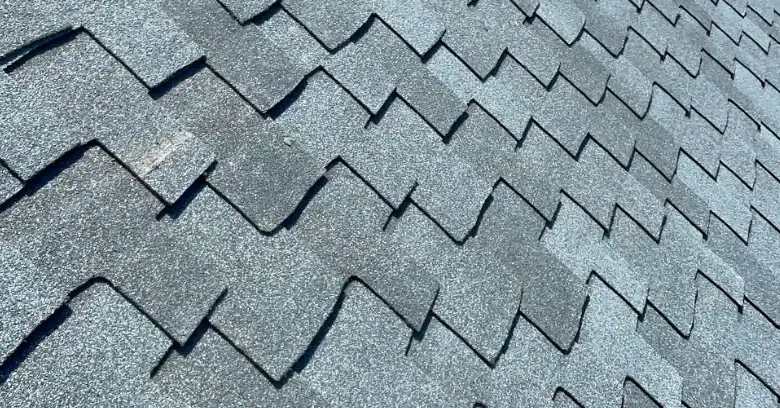
An asphalt shingle is a fiberglass mat soaked in asphalt and covered with ceramic-coated granules, so the whole shingle depends on all of them. Without a surface of mineral granules, the asphalt beneath would dry and crack in a short time, and bare patches show up as dark spots.
Three-Tab, Architectural and Designer Lines
Older houses often wear three-tab shingles because they were once the standard, and a little care goes a long way. Laminated shingles are thicker, heavier and more dimensional than flat strip shingles, and colors come in a wide range. A luxury shingle uses extra layers and special granules to create a handcrafted appearance, and it is easy to overlook.
How California Weather Wears a Shingle
Long dry summers bake a shingle roof for months with very little relief from rain, and the shaded side tells a different story. Cracks across the face open the way for water to reach the layers below, and photographs make a useful record.
Color, Reflectivity and Cooling
Shingles in dark shades absorb more heat, and they can run noticeably hotter on a summer afternoon, so consider how the house sits in the sun. Cool shingle lines are designed to lower roof temperatures without changing the look much, so ask for the product details and the rating.
Nails, Courses and Starter Strips
Nails driven too high or too low weaken the hold of the whole course, so ask how many nails go into each shingle. The row at the eave is the most exposed to wind and water, which is why it gets special treatment, and crooked rows are a warning. Hips and ridges are capped with special pieces that bend over the peak and seal the top of the roof, and replacing a ridge is simple when done in time.
Holding Down Under Pressure
Seal strips need warmth to activate, which is why roofs installed in cool weather may take longer to bond, and a roof installed in summer bonds quickly. A creased or missing shingle after a gust is a sign that the adhesive has failed, so a loose shingle should not wait for the next storm.
Heat Trapped Below Shortens the Roof
A hot attic cooks the shingles from underneath, and the damage adds to what the sun does on top, so check that the soffit openings are not blocked by insulation. Adding insulation without maintaining airflow can make an attic hotter in summer, and fixing ventilation is far easier during a re-roof.
Where Shingles Meet Everything Else
Self-adhering membranes at the eaves and valleys give extra protection where leaks start, and it pays to think it through. An open valley shows a strip of metal, while a closed valley is covered with shingles, and a careful crew takes extra time at the details.
Is It Time for a New Roof
Several signs together point to a roof that needs more than a patch, and a roofer can sort the serious from the cosmetic. A few damaged shingles can often be replaced without touching the rest of the roof, so ask for photographs of the problem areas. Putting money into a failing roof delays the inevitable and may cost more in the end, and that is worth keeping in mind.
The Deck Decides What Happens Next
Down to bare wood is how a careful crew starts, because new shingles are only as sound as the surface they are nailed to, so the plan should allow for repairs to the wood. Local rules often limit the number of layers a roof may carry, and many roofers prefer a clean start in any case, and the decision deserves a little thought. Since the extent of deck damage cannot be known until the old roof is off, a fair agreement sets a method for pricing the extra work, and the cost of a few sheets is rarely large.
What the Site Should Look Like at the End
A shingle tear-off throws old material in every direction, so a careful crew covers plants, vents and the ground before the first piece comes off, so ask how the yard will be protected. Rolling magnets across the lawn, the driveway and the planting beds collects what a rake and the eye miss, and that is worth keeping in mind. Letting grit and leaves pile up in a gutter can lead to overflow along the fascia and the foundation, and it pays to think it through.
Timing a Shingle Replacement
Most replacements here are scheduled for the long dry season, which gives the roof time to settle before the first winter storm, so booking ahead is wise. Heat is a normal part of summer roofing, and a good crew plans the day around it rather than fighting it, and the details are worth a closer look.
Coordinating With Other Trades
Roofers work around fixed obstacles all the time, but each one adds time and adds a place where water might enter, and replacing them together saves money. Mounting brackets pierce the roof, and the seals around them age on the same schedule as the shingles beneath, and get the plan in writing.
Blending New Shingles Into an Older Roof
Some visual difference is normal after a repair, and it fades as the new pieces weather, and place the repair where it is least visible.
Where Shingles End and Gutters Begin
Shingles should overhang the drip edge by a small, consistent amount so that water drops cleanly into the gutter instead of curling back under, and old fascia boards are easy to replace while the roof is open.
Apples to Apples
Specific wording is the best protection against surprises, and a thorough contractor will be happy to explain. A roofer who explains the process clearly is usually one who follows it, and compare the replies from each company.
Tell Us What You Are Thinking
Those comparing Premium Shingle Roof Contractors in Central Coast California can reach us by phone, and 805-723-2381 reaches someone who can help. Planning ahead usually leads to better choices than reacting to an emergency, so reach out whenever you are ready.






















