
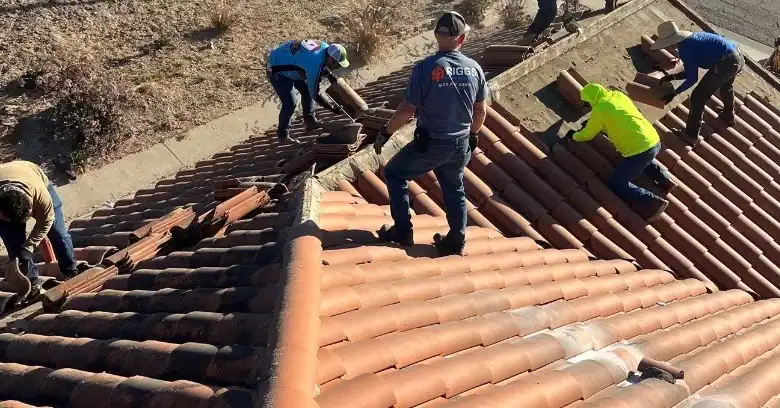
Searching for Emergency Roof Repair Services for a Home in Central Coast California?
Creative Roofing puts the focus on finding exactly where the water gets in, from Central Coast California out to the next community.
Phone 805-723-2381 and describe the spot on the ceiling or wall that worries you.
Why the Stain Is Rarely Under the Hole
Water that gets past the roof covering seldom drops straight down, and gravity takes the water along every board it meets. The first job of a repair is to work backward from the damage along the path the water took, and the roof surface is only one part of the puzzle.
Reading the Attic From Below
Daylight showing through the deck near a pipe or a chimney points to a gap worth checking, and a flashlight held at a low angle makes faint stains easier to see. A rough sketch of the attic with the stains marked makes the next step much quicker, and the sketch goes along when the roof is walked. Dust, insulation and old nests can hide a stain until the material is brushed away, and the roof surface must then carry more of the answer.
Where Leaks Like to Start
A roof edge, a ridge cap or a dormer corner is a joint, and joints are where sealant and metal do the work, and the search starts at those places before it ever touches open shingles. Fasteners left exposed on a metal or flat roof open up as the material expands and contracts, and sun, heat and years of movement wear flashing and sealant down.
Cracked, Lifted or Missing Pieces
Shingles that curl, crack or have lost their granules point to wear and exposure, and close-up photos help when the work gets planned. Leaves, needles and blown debris collect in valleys and behind chimneys and dam the flow of water, and clearing debris is sometimes the whole answer.
Using a Hose to Prove the Source
The test starts low on the roof and moves upward in small zones, so the first section that produces a drip is the guilty one, and nothing is sealed until the test points somewhere. Care on a steep or fragile surface matters more than speed, and a proper test avoids doing damage of its own.
Moisture That Mimics a Leak
Sweating ducts in a hot attic drip onto the insulation below, and a stain that appears on a dry day points away from rain. A stain tied to a shower or a laundry cycle belongs to the water supply or drain system, and a simple notebook can narrow things down fast.
After Months Without Water
Fall winds and falling leaves clog valleys and gutters just before the wet season starts, and a check before the season is cheaper than a repair during it. Waiting until a storm is overhead leaves little time to trace anything carefully, and late summer is a sensible time to look.
Staying Dry Until the Repair Is Made
Moving belongings away from the damp spot and photographing the damage protects the home and the record, and containment costs little and is worth doing right away. Climbing onto a wet roof in the middle of a storm is dangerous, so a tarp is best left to people with the training and gear, and safety comes before saving the ceiling.
From Diagnosis to Dry Ceiling
Sealant alone is a short-term answer for most openings that involve metal and movement, and a tidy finish should leave nothing exposed. Ceiling stains can be sealed and repainted once the area has dried completely, and drying out the structure matters as much as the repair.
Describe What You Are Seeing
Looking for Emergency Roof Repair Services in Central Coast California goes more smoothly with a few photos of the stain and a note of when it appeared, and 805-723-2381 connects you with the team. Tell us where the stain is, how large it is and what the weather was doing when it showed up, and there is no need to wait for the next storm.






















