
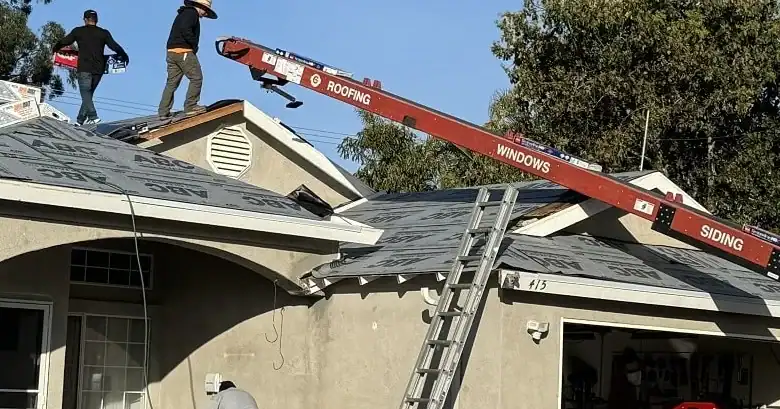
Looking for Roof Services for a Home in Central Coast California?
Creative Roofing handles the planning, the tear-off and the cleanup of a roof job, across Central Coast California and the neighboring communities.
Reach out at 805-723-2381 and describe the project you have in mind.
Before Anything Is Torn Off
A roofing project begins with a close look at the surface, the edges and the pipes, and the notes from that visit steer every later choice. Signs of wear on top often point to a moisture problem underneath, and the findings are worth asking to see.
Long dry summers and strong sun leave their mark on nearly every roof in California, and the sunniest side is usually the oldest-looking side.
Deciding What the Roof Needs
Not every worn roof needs replacing, and not every leak is a small one, and the recommendation should come with the reasons attached. Ask to see the problem areas, either in photographs or from the ladder, since the plan should make sense to the person paying for it.
Rotted or soft sheathing changes the plan and often the schedule, so a note on how it will be handled saves arguments later.
Shingle, Tile or Metal
The common choices are shingle, tile and metal, and each suits some houses better than others, since heavy coverings need a frame built to carry them. Sun exposure makes color a practical question as well as a visual one, and it pays to look at them at different times of day.
Scheduling Around the Weather
Roofing here follows the weather more than the calendar, so exposed areas get covered at the end of each day. On very hot afternoons shingles soften and workers slow down, and a little care goes a long way.
Stripping Down to the Deck
Removal of the old material is where the project gets loud, and the details are worth a closer look. Once the deck is bare, any damaged boards are replaced, and it is easier to fix now than after the roof is finished.
Protection Under the Covering
The surface you see is only the outer layer of a roof, and chimneys get particular care. The house is safest once the second layer is complete, and that is worth keeping in mind.
Flashing and the Fiddly Parts
Chimneys, skylights, vent pipes and walls all need flashing worked into the roof, and the cost is small next to the roof it protects. Sun dries and cracks the flexible parts over time, so replacing them along with the roof removes a predictable problem.
Air Under the Roof
Warm air trapped under the deck works on the roof from below, since warm air rises on its own when it is given a path. More vents are not always better, because intake and exhaust have to be balanced, and the answer should be part of the proposal.
Cleanup and the Final Walk-Through
The job is not over until the yard looks like a yard again, and covers come off the landscaping and the beds are inspected. Looking at the ridge, the valleys and the flashing with the roofer present is time well spent, and it only takes a few minutes.
Approvals Before the Work Starts
Replacing a roof usually involves the local building department in some way, because surprises at the counter slow everything down. Wildfire concerns have changed what many local codes ask of a roof, since the covering you pick has to be one the town accepts. A proposal that names its materials and steps is easier to compare, so compare any two side by side.
What Happens to the Yard
Roof work is hard on landscaping unless it is planned for, so tarps and plywood go down where debris will land. Moving vehicles out of range for the day is a simple precaution, so tell the crew about anything fragile or valuable. Hammering on the deck above can rattle a ceiling and drop dust into the rooms below, so it is wise to take down fragile pictures first.
Noise, Neighbors and Daily Life
The calendar for a job is set by the roof, not by the wish list, and the crew should give you a realistic window. Dumpsters and trucks may take up space on the road, and it is easy to overlook. Working from home during a roof job is possible, though not always pleasant, and a plan for the loud days makes them easier.
Getting Clear Before the Work Begins
Ask what will be done with the old material and how the deck will be handled, since confident answers come easily to people who do this daily. Knowing exactly what is going on the house removes a common source of disputes, and it should be written on the proposal. Ask what happens if something unexpected turns up under the old roof, and settle it before the first day.
Keeping a Roof in Good Shape
Checking the roof twice a year takes only a few minutes, and binoculars make the job easy. Debris on the roof holds moisture and wears the surface, and it also reduces fire risk in dry months. Call a roofer after a major wind event or if you see a stain on a ceiling, and the earlier the better.
Timing a Roof Project Through the Year
Many homeowners wait until a leak appears before they think about a roof, so a few weeks of lead time is common. Late summer is hot but dependable, and crews are usually busy, and the covering you choose affects the timing as well.
Checking the Space Beneath the Deck
Rust on the points of roofing nails and dark patches on the sheathing are signs that moisture has been present for some time, and attic problems are cheaper to deal with during a re-roof.
Talk to Us About Your Roof
Anyone researching Roof Services in Central Coast California is one call away from a straight answer, with 805-723-2381 ready whenever you are. Every roof is different, so every conversation starts from the house itself, and we are glad to talk through the options. A short conversation can turn a vague worry into a clear plan, and that is a good place to begin.






















