
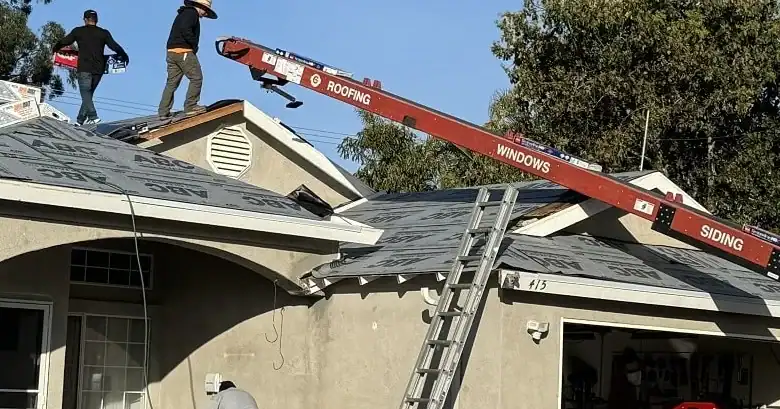
Searching for New Roofs Near Central Coast California?
Creative Roofing covers each step of putting a new roof on a house, across Central Coast California and the neighboring communities.
Phone 805-723-2381 and we will talk through what the roof needs.
Starting Out Right
Every roofing job starts with someone climbing up to see what is actually there, because the rest of the plan rests on the findings from that look. Loose granules, lifted edges, cracked flashing and soft spots all say something about the layers below, so the visit usually takes longer than people expect.
Months of direct sun take a steady toll on whatever covers a house, so the wear is rarely even from one side to the next.
Repair, Patch or Replace
Some roofs need a patch, some need a section redone, and some have reached the end of the road, and an honest roofer will say which one applies. Ask to see the problem areas, either in photographs or from the ladder, and the answer tells you a lot.
Hidden damage found during tear-off is the usual reason a project grows beyond its first outline, and nobody should be surprised when it happens.
Picking a Roof Covering
Homeowners usually end up comparing shingles, tile and metal panels, so structure comes first and appearance second. Lighter colors reflect more of the summer sun, while darker ones soak it up, and that is worth keeping in mind.
When the Crew Can Work
Roof work is easiest to schedule in the long dry stretch between rains, and temporary dry-in layers keep the house safe overnight. The temperature on the roof can run well above the temperature in the shade, so an early knock on the door is nothing to worry about.
Getting to a Clean Surface
Removal of the old material is where the project gets loud, and magnets and rakes pick up the nails that fall. The deck is checked, mended and made flat for the next layer, and it is easier to fix now than after the roof is finished.
Underlayment and Drying In
The surface you see is only the outer layer of a roof, and chimneys get particular care. The house is safest once the second layer is complete, and rows are laid from the eave upward, each lapping the last.
Small Metal Pieces, Large Consequences
Flashing is the thin metal that keeps water out where the roof meets something else, since worn metal under new material becomes the weak link. Vent boots and pipe collars are rubber or lead pieces that wear out before the roof does, and a little care goes a long way.
Attic Airflow
An attic under a hot roof can reach extreme temperatures in summer, and the details are worth a closer look. A ventilation plan is worth a conversation before the job starts, and it is easy to overlook.
Cleanup and the Final Walk-Through
When the last piece is installed, the cleanup begins, and a magnetic sweep picks up stray nails. Keeping a short record of the materials used helps with later maintenance, and it makes future repairs and sales smoother.
Approvals Before the Work Starts
Local requirements shape the job before the first shingle is touched, and the answer should be clear from the start. Wildfire concerns have changed what many local codes ask of a roof, so ask how the plan meets the rules for your street. The best paperwork leaves little room for misunderstanding, and it is worth reading it slowly.
Protecting the House and Yard
The ground around a house takes a beating during a roof project, so tarps and plywood go down where debris will land. Cars parked in the driveway can be struck by falling nails or pieces of shingle, and keep a path clear for deliveries. Hammering on the deck above can rattle a ceiling and drop dust into the rooms below, and a sheet over stored boxes keeps the grit off.
Noise, Neighbors and Daily Life
Most residential projects are finished within days, not weeks, and the crew should give you a realistic window. Roof work is loud, and the street will hear it, and the whole thing is over sooner than it seems. Remote workers may want a quiet spot elsewhere for a day or two, and a plan for the loud days makes them easier.
Getting Clear Before the Work Begins
Ask how the crew protects the house when rain is in the forecast, and anything left vague deserves a follow-up. Ask for the materials by name and manufacturer so you can look them up, so ask before you sign anything. Ask what happens if something unexpected turns up under the old roof, and keep the discussion friendly but specific.
Keeping a Roof in Good Shape
A roof that is never looked at tends to fail when it is least convenient, and it is easy to overlook. Sweeping leaves off the roof and out of valleys prevents trouble, and that is worth keeping in mind. Missing pieces, lifted edges or a new stain are all reasons to have someone look, so do not wait for the next storm.
Is There a Best Time for a New Roof
Waiting for the first storm to find the weak spot means hiring in a hurry, so a few weeks of lead time is common. Spring can bring the first showers, so flexibility helps, and the best season is often the one that fits your calendar.
Checking the Space Beneath the Deck
When the old roof comes off, the crew sees the underside of the deck, and stains, rust on nail tips and darkened wood tell the story of past leaks, and bring a flashlight if you can.
Getting Started in Central Coast California
Sorting out New Roofs in Central Coast California is easier with someone who can look at the house, with 805-723-2381 ready whenever you are. Every roof is different, so every conversation starts from the house itself, and the roof will tell the story once someone looks. A short conversation can turn a vague worry into a clear plan, and nobody will rush you.






















