
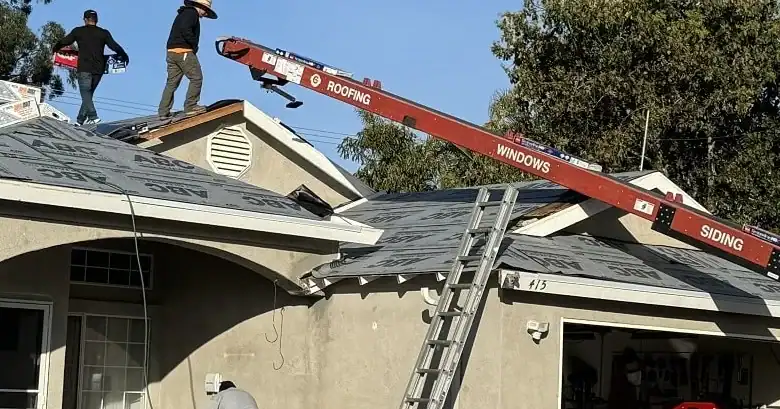
Searching for Roof Installation Around Central Coast California?
Creative Roofing stays with a roofing project from the first walk-around to the final check, serving Central Coast California and the places close by.
Ring 805-723-2381 to start a conversation about the roof over your head.
The First Step in a Roofing Project
Nothing gets decided until someone has walked the roof, and the notes from that visit steer every later choice. Signs of wear on top often point to a moisture problem underneath, and it pays to think it through.
Heat is the quiet cause behind much of the wear seen on roofs here, and a roofer who knows the area expects exactly that.
Setting the Scope of Work
Some roofs need a patch, some need a section redone, and some have reached the end of the road, so a clear explanation matters more than a quick quote. Damage should be shown rather than only described, so do not feel awkward about asking.
Rotted or soft sheathing changes the plan and often the schedule, and agreeing on the approach in advance beats debating it with the roof open.
Shingle, Tile or Metal
Most houses here wear one of three coverings, and the choice shapes everything else, and the style of the neighborhood often plays a part. A roof that faces strong sun all afternoon behaves differently depending on its shade, so do not settle the question from a photograph.
Scheduling Around the Weather
Rain arrives in bursts, and a roof that is open when one comes needs protection, and crews watch the forecast closely. Heat affects the work as well, and a little care goes a long way.
What Happens on Demolition Day
Taking the old roof off is the noisiest and messiest part of the job, and magnets and rakes pick up the nails that fall. Sound wood is the base everything else depends on, since good materials laid over a weak deck do not last.
The Hidden Layers
Much of the protection a roof offers is out of sight, and it is easy to overlook. Reaching this stage quickly is a sensible way to protect the interior, and rows are laid from the eave upward, each lapping the last.
Details That Decide Whether It Leaks
Water finds the joints first, so flashing matters, since worn metal under new material becomes the weak link. Pipe seals made of soft materials fail early in strong sun, so replacing them along with the roof removes a predictable problem.
Ventilation in a Warm Climate
Heat collects in the space beneath the roof deck unless it has somewhere to go, since warm air rises on its own when it is given a path. Adding vents at random may do little more than cut holes in the roof, so ask how the attic will breathe once the work is done.
The Last Day on Site
Once the roofing is done, the property has to be put back in order, so gutters are checked and cleared of loose granules. Questions are easier to settle while the crew is still on site, so keep the paperwork and pictures together.
What the City Wants to See
Rules about reroofing differ from one city to the next, because surprises at the counter slow everything down. Where fire risk is high, the roof covering and the vents face tighter standards, and a roofer working in the area should already know them. A proposal that names its materials and steps is easier to compare, so keep a copy where you can find it.
What Happens to the Yard
Roof work is hard on landscaping unless it is planned for, and a careful crew sets them before the work begins. The area under the eaves is the one to avoid, so tell the crew about anything fragile or valuable. The attic gets dusty during tear-off, and anything stored there will notice, and a little care goes a long way.
Disruption and How to Manage It
Timing depends on the size of the roof, the complexity of the layout and the covering chosen, and the details are worth a closer look. Dumpsters and trucks may take up space on the road, and the whole thing is over sooner than it seems. Pets are often the ones most bothered by the commotion, and the noise settles once the old roof is gone.
Questions Worth Asking Before You Agree
Ask what will be done with the old material and how the deck will be handled, and it pays to think it through. The product line matters as much as the type of covering, and a little care goes a long way. Surprises are normal, and a process for them is a sign of a well-run job, and the details are worth a closer look.
Small Habits That Extend Roof Life
Regular glances at the roof catch small problems early, and the best times are before the rainy season and after the first big storm. Debris on the roof holds moisture and wears the surface, and it also reduces fire risk in dry months. Waiting on a small problem usually makes it more expensive, so do not wait for the next storm.
When to Schedule the Work
Many homeowners wait until a leak appears before they think about a roof, and a calm decision is nearly always a better one. Winter work happens too, with crews watching the forecast closely, and the details are worth a closer look.
Insulation, Ducts and Cables Under the Roof
When the old roof comes off, the crew sees the underside of the deck, and stains, rust on nail tips and darkened wood tell the story of past leaks, and the findings can change the scope.
Ready When You Are
Sorting out Roof Installation in Central Coast California is easier with someone who can look at the house, so use 805-723-2381 to talk through the roof and the next step. A modest repair and a full re-roof both begin with an honest look at the roof, and an early conversation costs little. The sooner the roof is looked at, the more choices you tend to have, and it pays to think it through.






















