
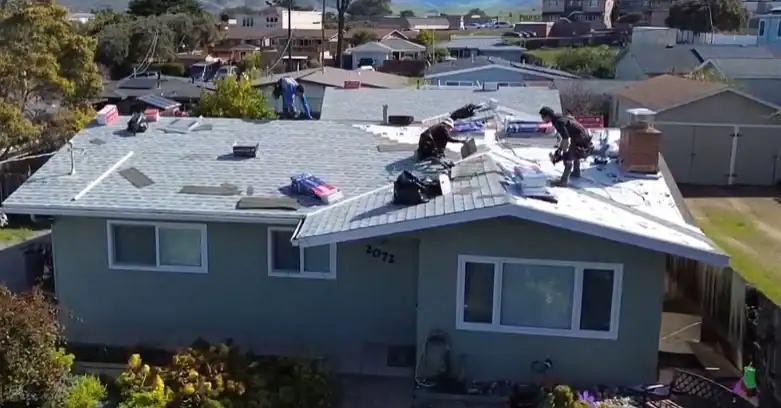
Looking for Roofing Contractor Near Central Coast California?
Creative Roofing handles the planning, the tear-off and the cleanup of a roof job, serving Central Coast California and the places close by.
Ring 805-723-2381 to start a conversation about the roof over your head.
Starting Out Right
The first visit is about gathering facts rather than picking a product, and the notes from that visit steer every later choice. A proper look covers the slopes seen from the yard and the ones that are not, so the visit usually takes longer than people expect.
Long dry summers and strong sun leave their mark on nearly every roof in California, and the sunniest side is usually the oldest-looking side.
Repair, Patch or Replace
Not every worn roof needs replacing, and not every leak is a small one, and the recommendation should come with the reasons attached. A roofer who explains the reasoning in plain terms is easier to trust with the work, and the answer tells you a lot.
Wood that has been wet for a long time has to be cut out and replaced, and nobody should be surprised when it happens.
Material Decisions
Most houses here wear one of three coverings, and the choice shapes everything else, and the pitch of the roof narrows the field quickly. Sun exposure makes color a practical question as well as a visual one, and a full-size piece seen outdoors beats a catalog picture.
Planning for Rain and Heat
For most of the year the weather here lets a roof go on with few interruptions, and crews watch the forecast closely. Crews often start early in summer to get ahead of the hottest hours, and finishing early keeps people and materials in better shape.
Removing the Old Roof
Taking the old roof off is the noisiest and messiest part of the job, and the details are worth a closer look. Soft or split sheathing is cut out and new panels are fastened down, and it is easier to fix now than after the roof is finished.
The Hidden Layers
The first layer laid over the deck is a barrier against moisture, and it is easy to overlook. With the barrier in place the roof can shed rain even before the covering is finished, so the rest of the work can proceed without worry.
Penetrations and Edges
Water finds the joints first, so flashing matters, and the cost is small next to the roof it protects. Plumbing vents are among the most common sources of small leaks, and a little care goes a long way.
Air Under the Roof
Heat collects in the space beneath the roof deck unless it has somewhere to go, and the details are worth a closer look. A ventilation plan is worth a conversation before the job starts, so ask how the attic will breathe once the work is done.
Wrapping Up
The job is not over until the yard looks like a yard again, so gutters are checked and cleared of loose granules. Keeping a short record of the materials used helps with later maintenance, and it pays to think it through.
Local Rules and Paper Trails
Rules about reroofing differ from one city to the next, and the process is easier when someone handles it for you. Wildfire concerns have changed what many local codes ask of a roof, and a roofer working in the area should already know them. A clear proposal lists what will be removed, what will be installed and what happens if the deck needs work, so compare any two side by side.
What Happens to the Yard
Roof work is hard on landscaping unless it is planned for, so tarps and plywood go down where debris will land. Children and animals should stay clear of the yard while the work is underway, so tell the crew about anything fragile or valuable. The attic gets dusty during tear-off, and anything stored there will notice, and a sheet over stored boxes keeps the grit off.
Living Through a Roof Project
Timing depends on the size of the roof, the complexity of the layout and the covering chosen, and the crew should give you a realistic window. Informing nearby households is a courtesy that pays off, so a friendly note goes a long way. Remote workers may want a quiet spot elsewhere for a day or two, and everything returns to normal once the crew packs up.
A Short List for Comparing Proposals
Find out who will be on the roof and who will be in charge of the job, and anything left vague deserves a follow-up. The product line matters as much as the type of covering, and take your time reading it. Surprises are normal, and a process for them is a sign of a well-run job, and it is better to know in advance.
Maintenance After the Job
Checking the roof twice a year takes only a few minutes, so put it on the calendar like any other chore. Debris on the roof holds moisture and wears the surface, and it protects the investment you just made. Waiting on a small problem usually makes it more expensive, and a photograph helps explain what you saw.
Spring, Summer or Fall
A roof replaced on purpose goes better than one replaced in a panic, and the schedule fills quickly once the rains end. Late summer is hot but dependable, and crews are usually busy, and the best season is often the one that fits your calendar.
Roof Work and Your Attic
The attic is the roof as seen from below, and it often gives the clearest picture of how the roof has been performing, and it is easy to overlook.
Talk to Us About Your Roof
A call is the simplest way to begin planning work in Central Coast California, with 805-723-2381 ready whenever you are. A modest repair and a full re-roof both begin with an honest look at the roof, and an early conversation costs little. Putting off a roof question rarely makes it easier to answer, and the next step becomes obvious.






















