
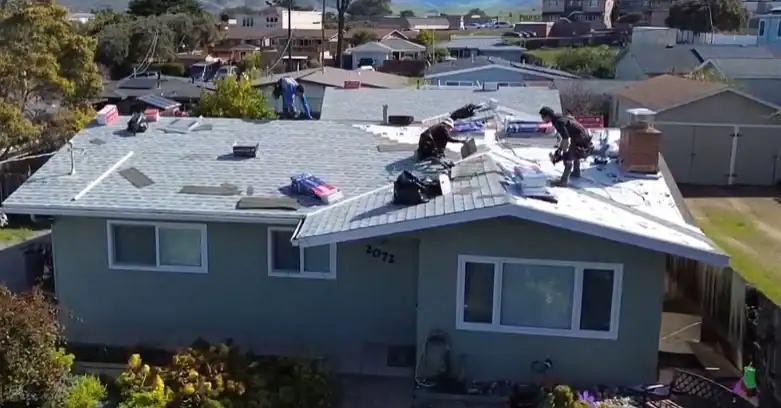
Weighing Roofing Installation for a Home in Central Coast California?
Creative Roofing walks a household through every stage of a roofing project, from Central Coast California out to the surrounding area.
Ring 805-723-2381 and describe the project you have in mind.
Where a Roofing Job Begins
The first visit is about gathering facts rather than picking a product, and a rushed visit tends to cost more than it saves. A proper look covers the slopes seen from the yard and the ones that are not, and that is the evidence a sensible plan is built on.
Heat is the quiet cause behind much of the wear seen on roofs here, so the south and west slopes get the closest attention.
Setting the Scope of Work
A roof can be repaired, partly rebuilt or removed entirely, and the evidence decides what is done, and the recommendation should come with the reasons attached. Pictures of the trouble spots take the guesswork out of the decision, and the answer tells you a lot.
Weak spots in the deck only show themselves once the old roof is off, and agreeing on the approach in advance beats debating it with the roof open.
Picking a Roof Covering
Most houses here wear one of three coverings, and the choice shapes everything else, so structure comes first and appearance second. Sun exposure makes color a practical question as well as a visual one, and it pays to look at them at different times of day.
Timing the Work
Dry months are the busy season for roofing, since an open roof and rain do not mix, and it pays to think it through. Roof surfaces get hot enough in July to change how materials behave, and the plan bends to the heat rather than the other way around.
Stripping Down to the Deck
Tear-off gives the first real view of the structure under the roof, so landscaping and windows are covered before the first piece comes up. Once the deck is bare, any damaged boards are replaced, since good materials laid over a weak deck do not last.
What Goes Down First
The first layer laid over the deck is a barrier against moisture, and it is easy to overlook. The house is safest once the second layer is complete, and rows are laid from the eave upward, each lapping the last.
Flashing and the Fiddly Parts
Chimneys, skylights, vent pipes and walls all need flashing worked into the roof, so fresh metal is standard practice among careful crews. Plumbing vents are among the most common sources of small leaks, so replacing them along with the roof removes a predictable problem.
Intake and Exhaust
A roof without enough ventilation bakes the attic and everything stored in it, since warm air rises on its own when it is given a path. The design of the system matters more than the number of vents, because airflow is easy to plan now and hard to add later.
Finishing the Job
Final cleanup means more than a quick sweep, and that is worth keeping in mind. Questions are easier to settle while the crew is still on site, and a saved record answers questions nobody has thought to ask yet.
Permits and Paperwork
Local requirements shape the job before the first shingle is touched, because surprises at the counter slow everything down. Fire safety rules in some neighborhoods affect which coverings are allowed, and the details are worth a closer look. A clear proposal lists what will be removed, what will be installed and what happens if the deck needs work, so keep a copy where you can find it.
What Happens to the Yard
A busy work site needs boundaries, and a careful crew sets them before the work begins. Moving vehicles out of range for the day is a simple precaution, and keep a path clear for deliveries. Inside the house, vibration can shake items from shelves and loosen attic insulation, and it is best done the night before.
Disruption and How to Manage It
A new roof usually takes a few days for an average house, though weather and size change that, and the crew should give you a realistic window. Dumpsters and trucks may take up space on the road, so a friendly note goes a long way. The loudest stretch is the tear-off, and it passes quickly, and a plan for the loud days makes them easier.
What to Ask Every Roofer
Find out who will be on the roof and who will be in charge of the job, since confident answers come easily to people who do this daily. A proposal that only says shingles or tile is not specific enough, and a good roofer will be glad you asked. Talk through how changes to the plan will be handled and agreed, and it is better to know in advance.
Caring for the Roof Once It Is Done
Even a new roof benefits from an occasional look from the ground, and the best times are before the rainy season and after the first big storm. Overhanging trees drop material that collects in corners and valleys, and it protects the investment you just made. Call a roofer after a major wind event or if you see a stain on a ceiling, and it pays to think it through.
Choosing the Right Season
Booking early in the dry season leaves time to compare more than one proposal, and a little care goes a long way. Early fall is popular because the weather is still dry and the heat has eased, so do not feel the choice is locked in.
Attic Findings That Change the Plan
Rust on the points of roofing nails and dark patches on the sheathing are signs that moisture has been present for some time, so ask the roofer to look inside as well.
Ready When You Are
Questions about Roofing Installation in Central Coast California begin with a short phone call, and 805-723-2381 reaches the right person. A modest repair and a full re-roof both begin with an honest look at the roof, and an early conversation costs little. A short conversation can turn a vague worry into a clear plan, and it pays to think it through.






















