
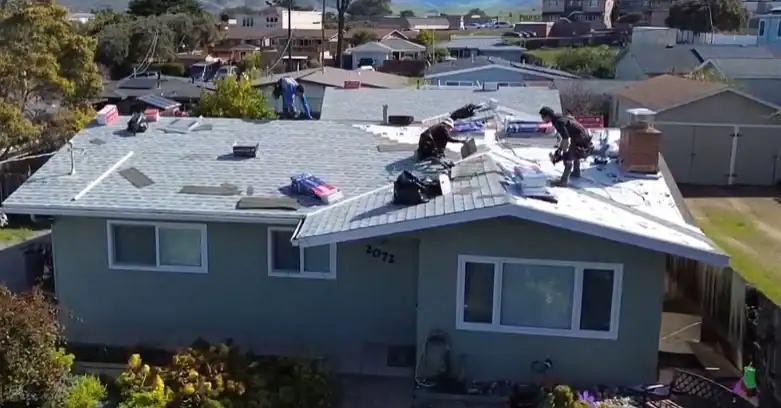
Looking for Roofing Services for a Home in Central Coast California?
Creative Roofing stays with a roofing project from the first walk-around to the final check, from Central Coast California out to the surrounding area.
Dial 805-723-2381 to set up a time for someone to look at the roof.
Day One of a Roof Project
The first visit is about gathering facts rather than picking a product, since guessing from the ground leads to surprises later. The roofer checks the surface, the flashing, the vents and the gutter line, then the attic if it can be reached, and each one goes into the notes.
Heat is the quiet cause behind much of the wear seen on roofs here, and the sunniest side is usually the oldest-looking side.
What Should Actually Be Done
Whether to fix or replace comes down to the condition of the layers beneath the surface, and the recommendation should come with the reasons attached. Pictures of the trouble spots take the guesswork out of the decision, because you are the one living under the result.
Rotted or soft sheathing changes the plan and often the schedule, and nobody should be surprised when it happens.
Picking a Roof Covering
Asphalt shingles, concrete or clay tile and standing seam metal are the coverings most often put on homes here, and the style of the neighborhood often plays a part. A roof that faces strong sun all afternoon behaves differently depending on its shade, and it pays to look at them at different times of day.
When the Crew Can Work
Roofing here follows the weather more than the calendar, and temporary dry-in layers keep the house safe overnight. The temperature on the roof can run well above the temperature in the shade, so the day usually begins at sunrise.
Getting to a Clean Surface
Old roofing comes off in layers, down to the bare decking, and the details are worth a closer look. Once the deck is bare, any damaged boards are replaced, because new material is only as good as what it is fastened to.
What Goes Down First
The first layer laid over the deck is a barrier against moisture, and it is easy to overlook. The house is safest once the second layer is complete, and the finished surface is installed over a sound base.
Details That Decide Whether It Leaks
Flashing is the thin metal that keeps water out where the roof meets something else, since worn metal under new material becomes the weak link. Plumbing vents are among the most common sources of small leaks, so replacing them along with the roof removes a predictable problem.
Intake and Exhaust
Attic heat is behind many worn roofs and many large cooling bills, and a proper system draws air in low and sends it out high. Adding vents at random may do little more than cut holes in the roof, because airflow is easy to plan now and hard to add later.
The Last Day on Site
When the last piece is installed, the cleanup begins, and a magnetic sweep picks up stray nails. Looking at the ridge, the valleys and the flashing with the roofer present is time well spent, and it only takes a few minutes.
The Paperwork Side of a Roof
Municipal offices have their own expectations for roof work, because surprises at the counter slow everything down. Fire safety rules in some neighborhoods affect which coverings are allowed, and a roofer working in the area should already know them. Vague wording on a proposal is a reason to ask questions, so keep a copy where you can find it.
Shielding Windows, Plants and Patios
Heavy materials, ladders and falling pieces all share the space around the walls, and plants and patio furniture are moved or covered. Pets, children and cars are best kept away from the work area, and a short talk the evening before covers the details. Hammering on the deck above can rattle a ceiling and drop dust into the rooms below, and a little care goes a long way.
The Few Days of Commotion
Timing depends on the size of the roof, the complexity of the layout and the covering chosen, so ask for the expected start and finish up front. A quick word with the people next door can head off complaints, and most people are tolerant when they know what to expect. Working from home during a roof job is possible, though not always pleasant, and a plan for the loud days makes them easier.
A Short List for Comparing Proposals
A sensible first question is what exactly is included in the scope, and it pays to think it through. A proposal that only says shingles or tile is not specific enough, and a little care goes a long way. Talk through how changes to the plan will be handled and agreed, and you will have a clear record.
Small Habits That Extend Roof Life
A roof that is never looked at tends to fail when it is least convenient, and it is easy to overlook. Keep the gutters clear of leaves and needles, especially at the end of the dry season, and it protects the investment you just made. A prompt visit after damage keeps a minor repair minor, so do not wait for the next storm.
Choosing the Right Season
A roof replaced on purpose goes better than one replaced in a panic, and a little care goes a long way. Spring can bring the first showers, so flexibility helps, and the best season is often the one that fits your calendar.
Insulation, Ducts and Cables Under the Roof
Rust on the points of roofing nails and dark patches on the sheathing are signs that moisture has been present for some time, and bring a flashlight if you can.
Talk to Us About Your Roof
Sorting out Roofing Services in Central Coast California is easier with someone who can look at the house, with 805-723-2381 ready whenever you are. Large or small, a roofing project goes best when the plan is clear before the work starts, and the roof will tell the story once someone looks. The sooner the roof is looked at, the more choices you tend to have, and it pays to think it through.






















