
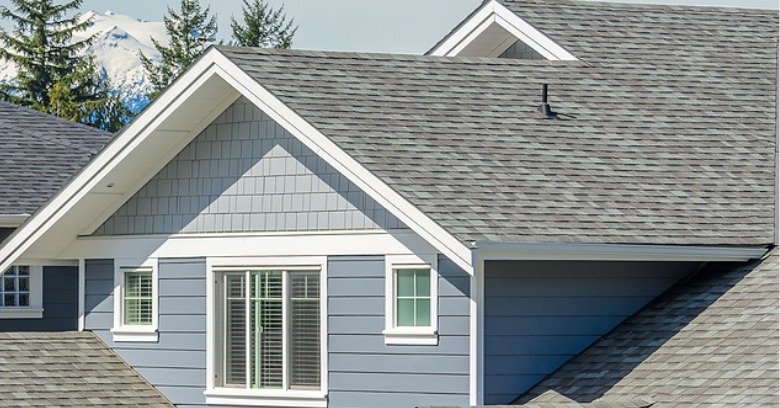
Learning About Roofs for Central Coast California Homes?
Creative Roofing starts with how a roof is built, because everything else follows from that, for homes in Central Coast California and the communities around it.
Phone 805-723-2381 to describe what you have noticed from the ground.
Under the Shingles, Tile or Metal
A sound roof depends on layers working together rather than on any single one, and a flaw in one tends to show up in another. Edge metal, flashing and vent boots finish the system at the borders and the holes, so each piece depends on the one beneath it. Below the layers you can see is a frame that carries every pound of the roof, and that kind of finding changes the plan completely.
Where Surfaces Meet
Leaks on an otherwise healthy roof usually start at a transition, not out in the middle of a slope, so flashing is the first thing a careful person inspects. Vent boots with rubber collars crack in the heat well before the roof around them wears out, so it is a common repair on older roofs. Flashing failures often show up on the first heavy storm after a long dry summer, so the stain is only the first clue. Cricket flashing behind a wide chimney sends water around it instead of letting it pool, and repointing sometimes comes before reflashing.
Air Movement Under the Roof
Without enough ventilation, an attic bakes in summer and the deck above it takes the punishment, which is why airflow is part of the roof and not an afterthought. Roofing that runs hot from below ages faster than roofing that can shed its heat, and the right fix is usually simple. Moisture rising from the house into the attic needs somewhere to go, or the wood above it stays damp, since the deck is where trouble hides first.
Weather Wear on Local Roofs
Long dry summers and strong sun are the steady forces behind roof aging here, and the surface that faces the afternoon sun is usually the oldest-looking one. Morning fog near the water keeps some roofs damp for hours, which encourages moss and algae on shaded slopes, and each of these pressures works on the weakest spot first. Gusts attack from the edges, where the covering is least protected, and edge metal is often the first thing to loosen. Asphalt shingles dry out and lose their grit, tile edges chip, and metal panels fade and loosen at the fasteners, and it helps to have the covering identified first.
Clues From the Ground and From the Attic
You do not need to climb up to see most of the early warnings, and trouble spots tend to get worse rather than better. Granules in the gutters mean a shingle surface is shedding its protective layer, and none of them gets better by waiting. Rooflines that look level today may show a dip when you compare them with older pictures, so a phone camera is the only tool needed.
South Faces, North Faces and Everything Between
Steep slopes shed rain and debris fast, while shallow slopes hold both longer, and slope is one of the first things a roofer measures. Dormers, additions and porch roofs create extra joints, and every joint is a place for water to enter, which explains why one slope can look tired while another looks fine. Whether a lighter surface suits the house depends on the style of the neighborhood and the covering chosen, and a roofer can show what is available for your covering. Anything fastened through the roof surface is a place to check at every inspection, and rooftop additions are a common source of slow leaks.
Maintenance in Plain Terms
Basic care takes only a few hours a year and a pair of eyes, and the effort is modest. Replace cracked sealant and damaged vent collars while they are still small jobs, and let a professional handle anything on a steep slope. A roof works all day every day, so it earns a little attention in return, and a well-kept roof tends to stay quiet for a long while. A roof swept of debris before fire season is a safer roof, so one chore serves two purposes.
Different Materials, Different Timelines
Published lifespans are averages, and real roofs land above or below them, and the range is wide for a reason. Quality of installation matters as much as quality of materials, and a roof that was never maintained can age out early. Shingles are the most common choice and the most sensitive to heat, so one material is not simply better than another. Underlayment is the hidden clock inside many roofs, and it often ages faster than the covering above it, and it keeps surprises to a minimum.
Deciding When the Layers Are Done
A roof reaches the point where each repair buys less time than the last, and the conversation can begin long before the work does. A new covering over a bad deck is a bad bet, so the deck gets checked before anything goes down, and compare what is included rather than just the bottom line. Good questions about the details separate a careful proposal from a vague one, and the answers tell you how carefully the work will be done. Magnetic sweeps for stray nails, a tidy driveway and a clear gutter line are the marks of careful crews, and the next inspection will start from a better place.
Where Your Roof Stands Today
Plenty of homeowners ask about Roofs in Central Coast California long before anything goes wrong, and the number to dial is 805-723-2381. Bring what you know: the age of the roof, the material, and any leaks or repairs from the past, so there is no need to prepare a long list. Roofs tend to be forgotten until they demand attention, and in Central Coast California that begins with a phone call to Creative Roofing. Bringing a roof back into good shape often starts with a conversation, not a ladder, so ask what you want to know.






















