
Choosing Shingle Roofing Maintenance Close to Central Coast California?
Creative Roofing lays asphalt, architectural and designer shingles over carefully prepared decks, for homes in Central Coast California and the towns around it.
Phone 805-723-2381 to set up a visit to look at your shingles.
Mat, Asphalt and Granules
Most roofs on houses here wear shingles built from a glass-fiber core with an asphalt skin, and the mat gives the piece its strength. Stone granules reflect part of the sun and keep the asphalt from baking, and the process only gets faster over time.
Choosing a Weight and Style
Traditional three-tab shingles are a single flat layer cut into three tabs, and they are the lightest and plainest option, and the saving is real but so is the shorter life. The extra layer adds weight and strength, and the cut pattern breaks up the lines, and colors come in a wide range. Designer shingles are heavier and carefully styled to resemble natural slate or cedar, and it is easy to overlook.
Heat Is the Slow Enemy
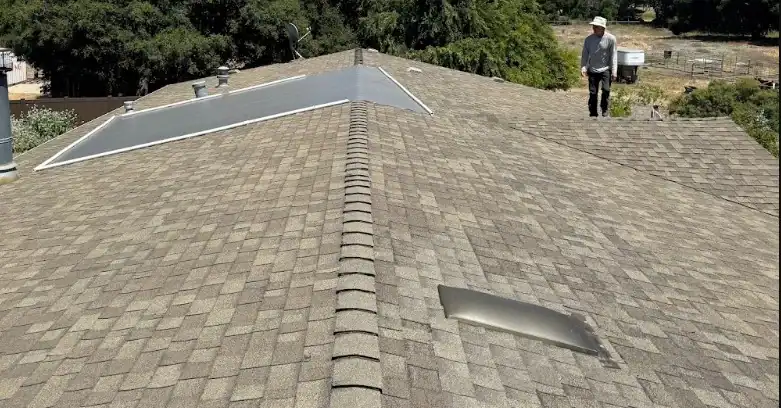
Long dry summers bake a shingle roof for months with very little relief from rain, and the shaded side tells a different story. Edges that lift, corners that curl and surfaces that crack all point to age, and the pattern across the roof shows how far the wear has gone.
Picking a Shade That Works in the Sun
Shingles in dark shades absorb more heat, and they can run noticeably hotter on a summer afternoon, and the effect is easiest to see on a hot day. Reflective granules can bring a dark color closer to the performance of a light one, so ask for the product details and the rating.
How Shingles Are Laid
The nailing line printed on the shingle marks where fasteners must go for the best grip, and it is easy to overlook. The row at the eave is the most exposed to wind and water, which is why it gets special treatment, and that is worth keeping in mind. The cap shingles on a ridge take extra abuse from sun and wind, and replacing a ridge is simple when done in time.
How Shingles Resist Wind
The adhesive bond is what keeps tabs flat against the roof in a strong wind, so the two work together. Wind rarely harms a well-sealed roof, but it finds every weak spot on an old one, and a prompt repair prevents a leak.
Attic Ventilation and Shingle Life
A balanced system of intake and exhaust keeps the temperature under the roof closer to the air outside, and the plan should be part of the proposal. Adding insulation without maintaining airflow can make an attic hotter in summer, and avoid anyone who ignores the question.
Waterproofing Layers and Metal Pieces
Felt paper or synthetic sheets cover the deck and give a second line of defense, and it pays to think it through. An open valley shows a strip of metal, while a closed valley is covered with shingles, so quality work here matters a great deal.
Is It Time for a New Roof
Granules in the gutters, curling edges and bald spots are the most reliable signs of an aging shingle roof, and the details are worth a closer look. A few damaged shingles can often be replaced without touching the rest of the roof, and the key is an honest assessment. Putting money into a failing roof delays the inevitable and may cost more in the end, so plan the project before the leaks begin.
The Deck Decides What Happens Next
A complete tear-off lets the roofer inspect each sheet of decking and replace any that has been stained, softened or split, and it pays to think it through. Putting a second layer on a tired roof can trap heat and moisture between the layers and shorten the life of both, and the savings are usually smaller than they seem. Damaged decking is the most common surprise on a roofing job, and a good proposal says how it will be handled, and expect a call with photographs.
What the Site Should Look Like at the End
Tarps along the walls, plywood over delicate plantings and a bin positioned below the edge keep the mess contained, and the crew returns it to normal when finished. Rolling magnets across the lawn, the driveway and the planting beds collects what a rake and the eye miss, and that is worth keeping in mind. Checking the gutters after the first big rain is a good habit, and it takes only a few minutes, and the new roof will thank you.
Planning Around Rain and Heat
Asphalt shingles seal themselves down with heat from the sun, so warm, dry days produce the best bond and the neatest finish, and a little care goes a long way. Very hot afternoons can scuff new shingles underfoot and make nails harder to drive cleanly, so many crews start at dawn in midsummer, and patience pays off in the finished roof.
Working Around Things That Share the Roof
Each opening in a shingle roof needs flashing built in layers with the courses, and the work is easier when the roof is already open, and it is easy to overlook. Anyone considering rooftop solar should have the age and condition of the shingles assessed first, and that is worth keeping in mind.
Color, Fade and Repair Work
New shingles set into a sun-faded roof usually look a shade darker or brighter, and the contrast softens only after a season or two of weather, so ask the roofer what to expect.
Protecting the Fascia and the Foundation
Shingles should overhang the drip edge by a small, consistent amount so that water drops cleanly into the gutter instead of curling back under, and fixing it now costs less than later.
Questions for a Shingle Roofer
The written scope should list tear-off, deck repair, ventilation and cleanup, and the line items let you compare two bids fairly. A roofer who explains the process clearly is usually one who follows it, and it is easy to overlook.
Ready to Compare Options
Anyone sorting out Shingle Roofing Maintenance in Central Coast California is one call away from a straight answer, with 805-723-2381 ready whenever you want to talk. There is no pressure in asking about a new roof, and we are glad to help you sort it out.






















