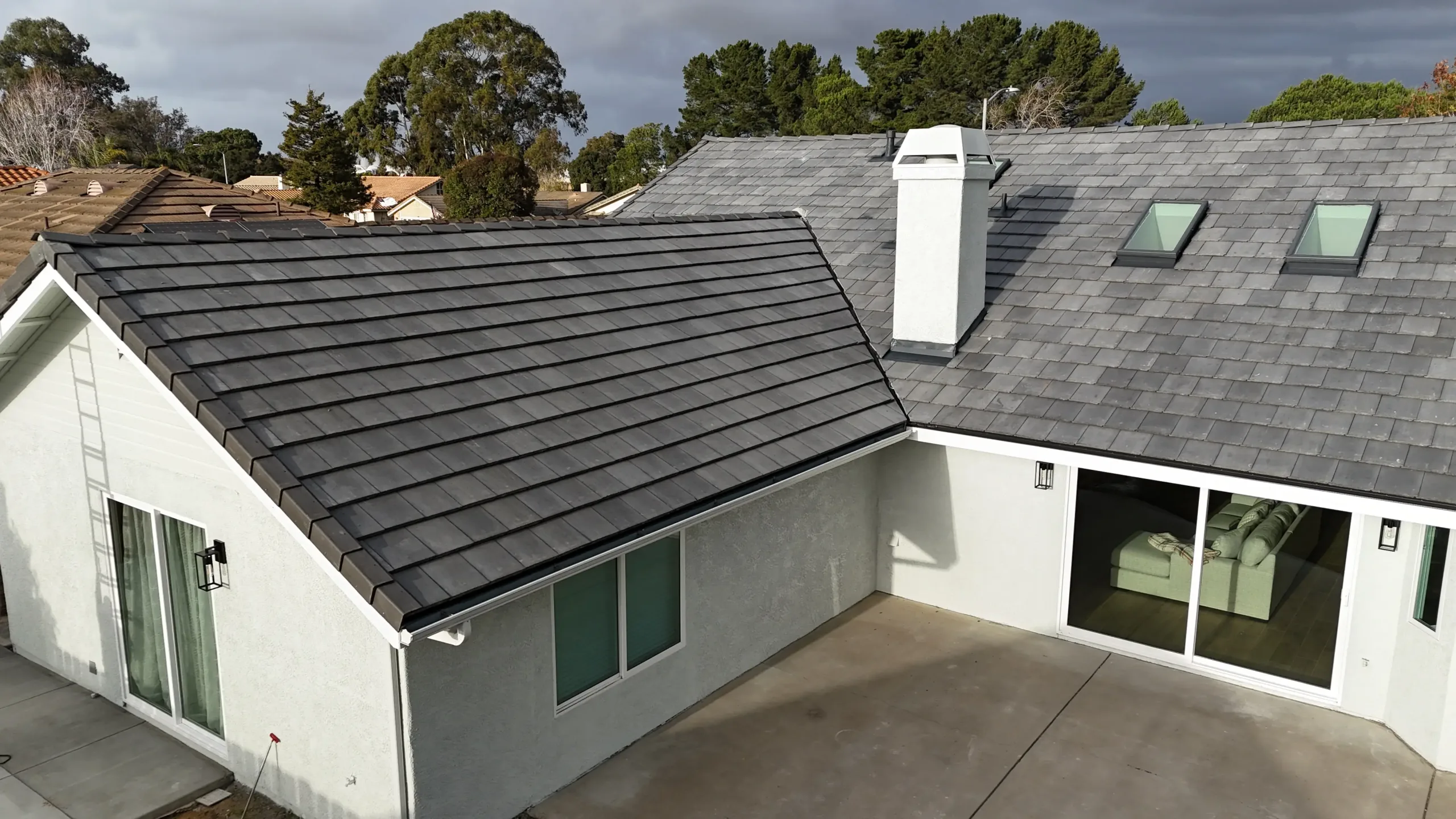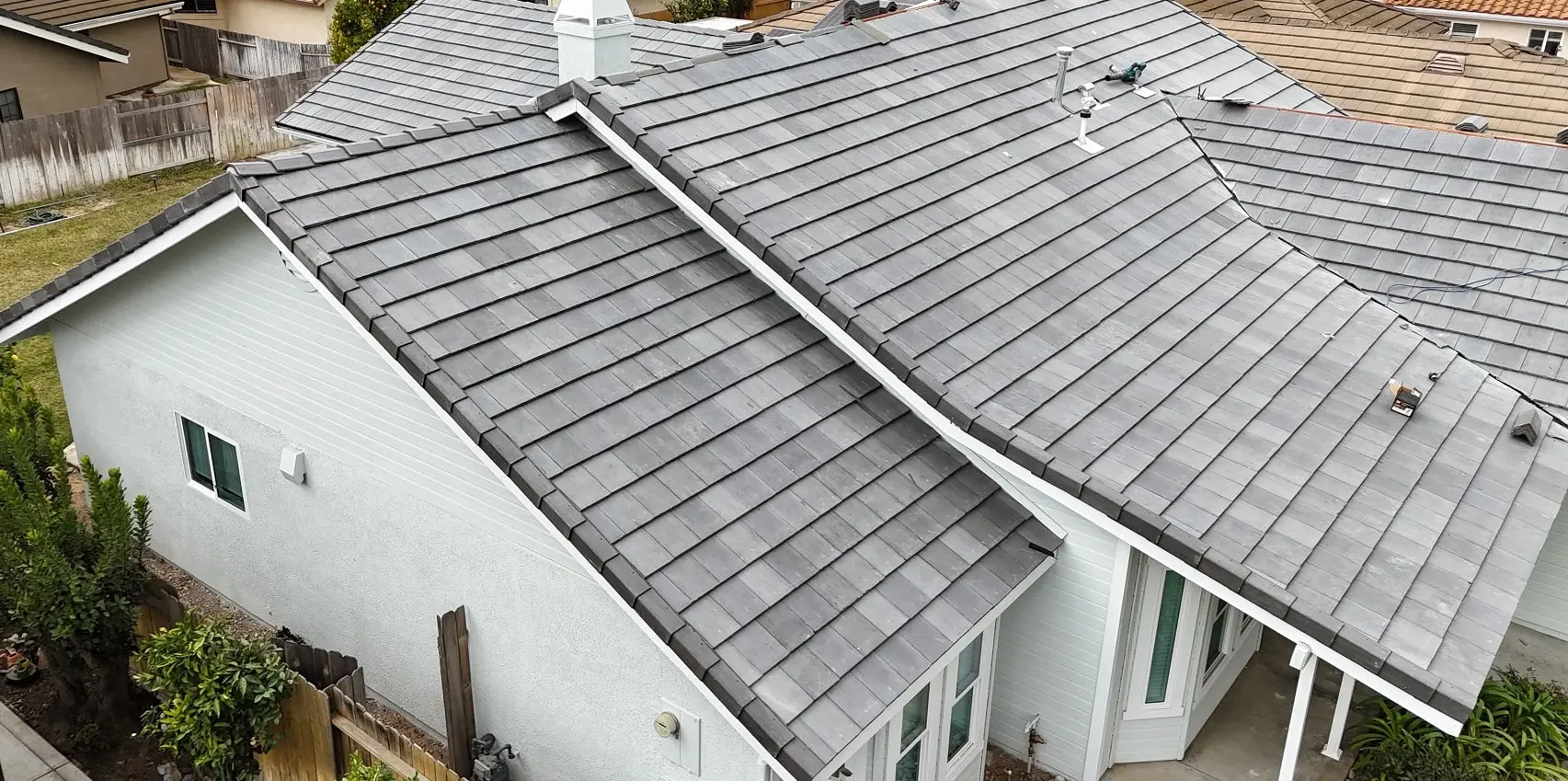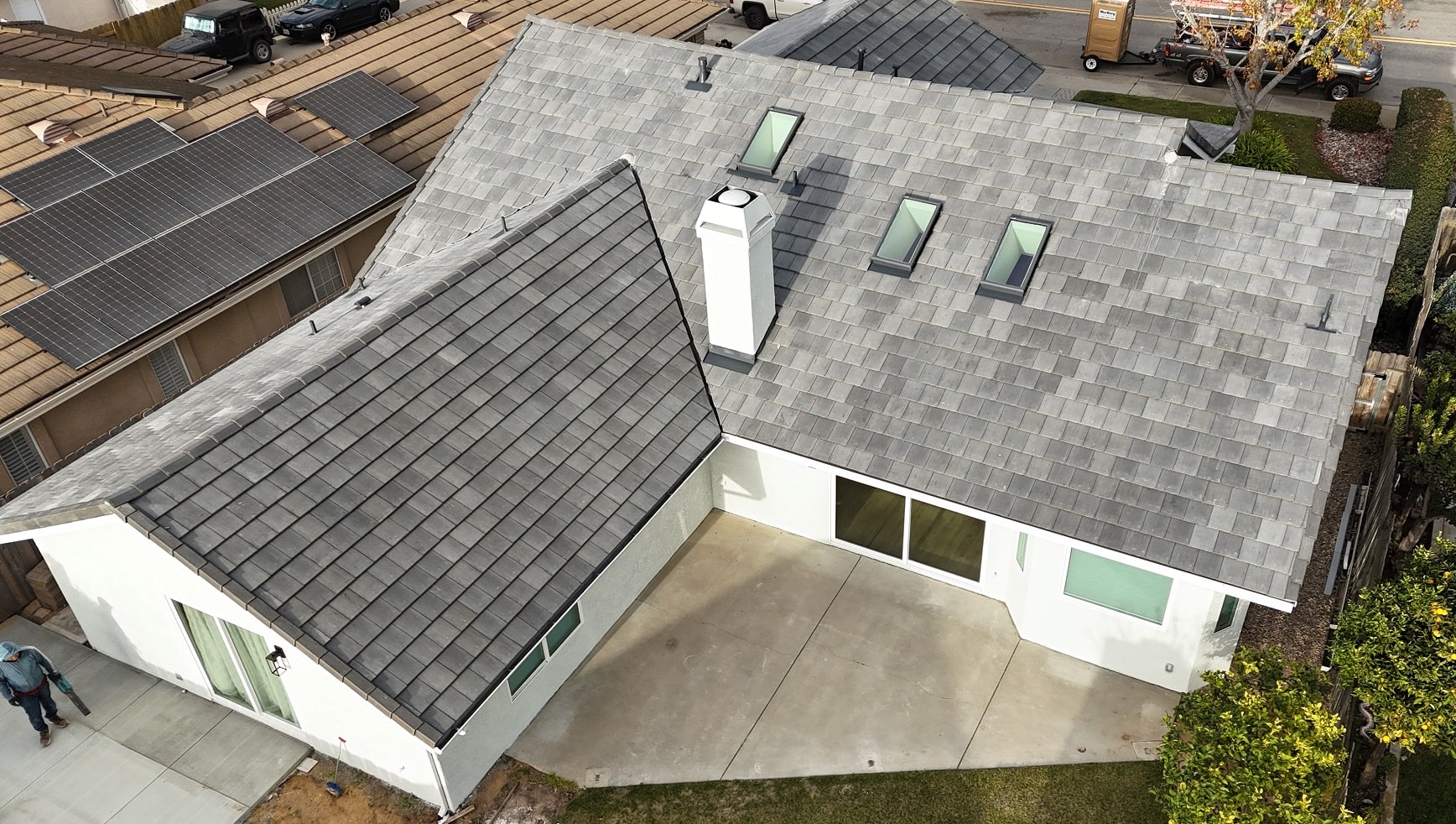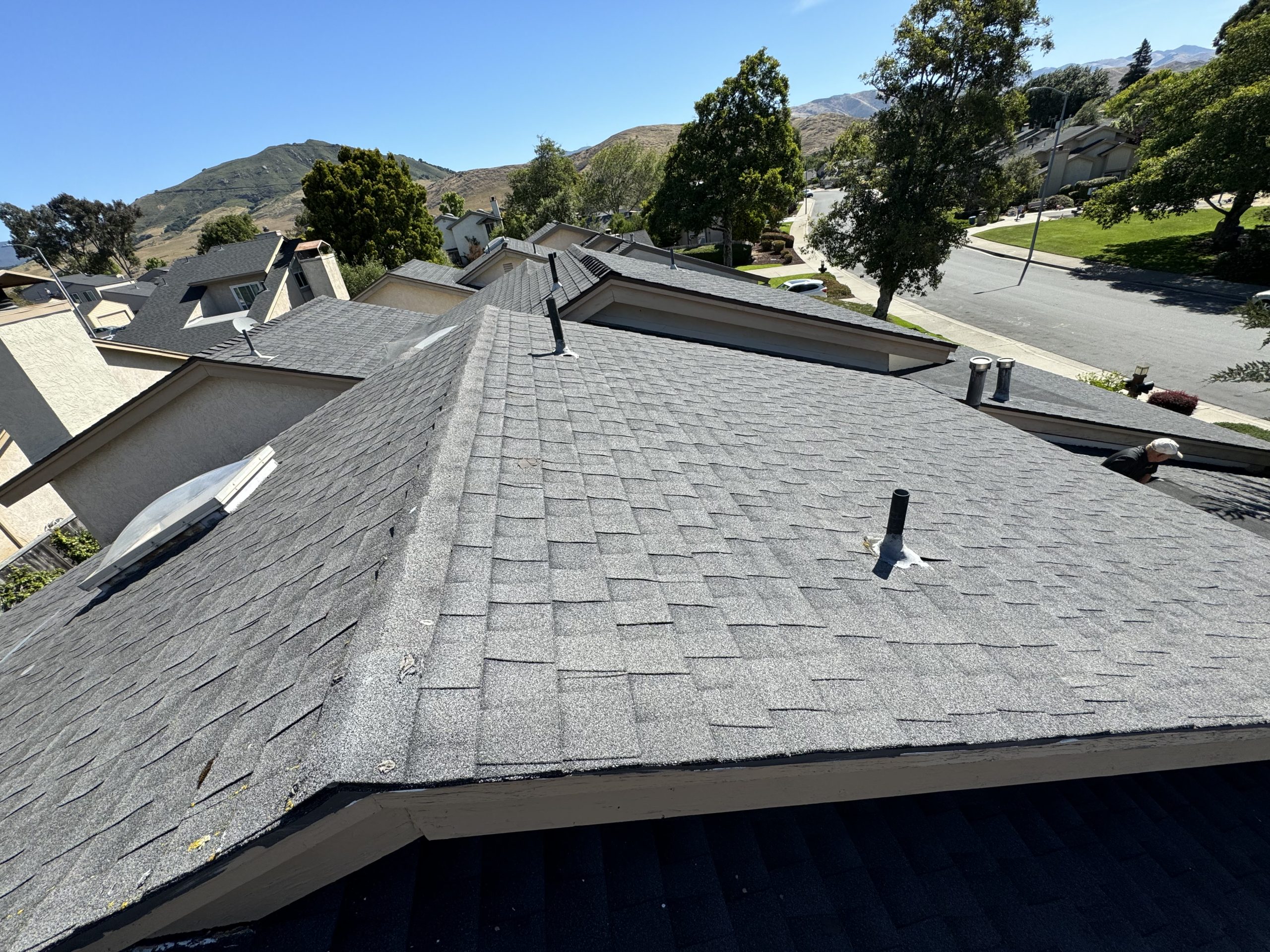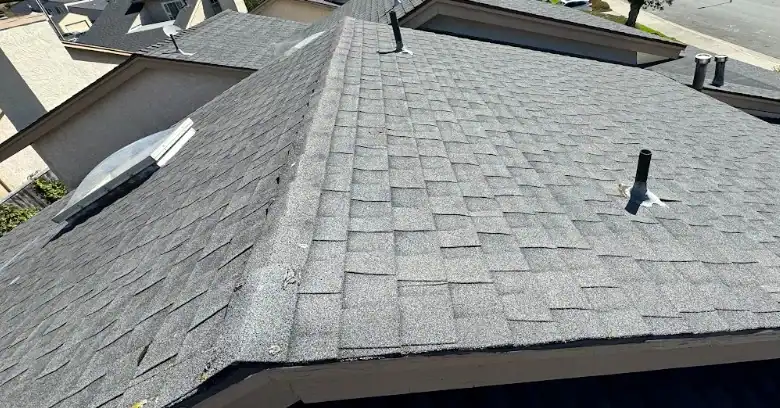
Thinking About Shingle Roof Installation in Central Coast California?
Creative Roofing handles shingle roofing from the first nail to the last ridge cap, serving homeowners in Central Coast California and beyond.
Ring 805-723-2381 to talk through shingle styles and what suits the home.
The Anatomy of an Asphalt Shingle
An asphalt shingle is a fiberglass mat soaked in asphalt and covered with ceramic-coated granules, and the granules protect the asphalt from the sun. Granule loss is the clearest sign that a shingle is wearing out, and the granules end up in the gutters.
Three-Tab, Architectural and Designer Lines
A three-tab shingle has a flat, uniform look and the thinnest profile of any common type, so many homeowners compare it with thicker lines. Laminated shingles are thicker, heavier and more dimensional than flat strip shingles, and the details are worth a closer look. A luxury shingle uses extra layers and special granules to create a handcrafted appearance, and it is easy to overlook.
Strong Sun on Asphalt
Months of direct sunshine take a toll that the eye picks up slowly, and the shaded side tells a different story. Edges that lift, corners that curl and surfaces that crack all point to age, so they deserve attention before the rainy season.
Color Choices for a Sunny Climate
The color of a roof affects both its appearance and its temperature, and the effect is easiest to see on a hot day. A reflective product can ease the burden on air conditioning, and the details are worth a closer look.
The Craft Behind a Good Install
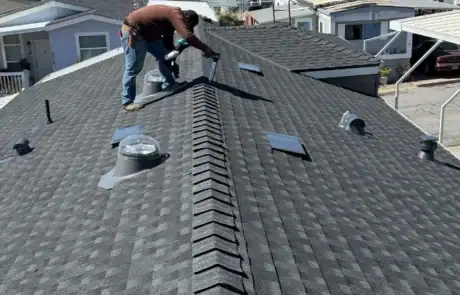
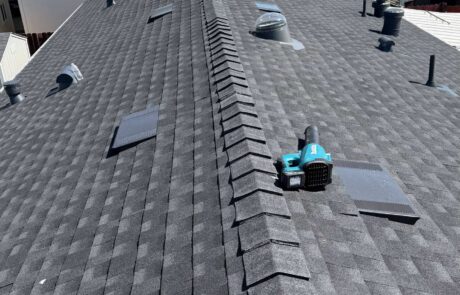
Nails driven too high or too low weaken the hold of the whole course, so ask how many nails go into each shingle. Each course overlaps the one below so that water always sheds over a solid layer, and the pattern is part of the manufacturer specification. The cap shingles on a ridge take extra abuse from sun and wind, and a sloppy ridge is a common weak spot.
Gusts and Loose Tabs
A shingle that never sealed can lift and flap in a gust, and the nails hold the rest. Strong seasonal winds can lift tabs that have lost their seal and tear them off the roof, and a pattern of lifting suggests the roof is aging.
Balanced Intake and Exhaust
A balanced system of intake and exhaust keeps the temperature under the roof closer to the air outside, and the eaves and the ridge are where the vents belong. More vents is not better, and mixing types can short-circuit the flow, and a roofer can assess the layout in a short visit.
Where Shingles Meet Everything Else
The underlayment is the water-resistant layer under the shingles that catches whatever gets past the surface, and a better underlayment costs little in the whole job. Chimneys, walls and skylights need step flashing and counterflashing worked into the shingle courses, and replacing flashing during a re-roof is standard practice.
Signs of Wear and Choosing Repair or Replacement
Cracks, missing pieces and exposed nails are all signals worth acting on, and a roofer can sort the serious from the cosmetic. Repairing a small area costs far less than a full replacement when the surrounding roof is sound, so ask for photographs of the problem areas. When the whole roof is brittle, curling and shedding granules, repairs become a losing game, and the new roof will perform better than a patched old one.
Tear-Off, Layers and the Deck Beneath
Most shingle replacements begin with a full tear-off, in which the old layers are stripped away and the plywood or boards beneath are laid bare, and anything hidden gets found at this point. Putting a second layer on a tired roof can trap heat and moisture between the layers and shorten the life of both, and the decision deserves a little thought. Damaged decking is the most common surprise on a roofing job, and a good proposal says how it will be handled, and good communication keeps everyone calm.
Debris, Magnets and Final Sweeps
Tarps along the walls, plywood over delicate plantings and a bin positioned below the edge keep the mess contained, and a little preparation prevents most complaints. Final cleanup should leave the property as orderly as it was found, apart from the new roof, and the work is not finished until the cleanup is. Checking the gutters after the first big rain is a good habit, and it takes only a few minutes, and it costs little to keep them clear.
When to Schedule a New Roof
Most replacements here are scheduled for the long dry season, which gives the roof time to settle before the first winter storm, and the calendar is only part of the question. On a scorching day the surface of a roof becomes too hot to handle, and the asphalt softens enough to mark if walked on carelessly, and a rushed job in extreme heat is a poor bargain.
Skylights, Chimneys and Solar Panels
Each opening in a shingle roof needs flashing built in layers with the courses, and the work is easier when the roof is already open, and it is easy to overlook. Mounting brackets pierce the roof, and the seals around them age on the same schedule as the shingles beneath, and a little planning saves a lot of expense.
Why a Patch Rarely Matches Perfectly
Some visual difference is normal after a repair, and it fades as the new pieces weather, and place the repair where it is least visible.
The Edge Details That Finish a Shingle Roof
The roofline is where the roof and the rest of the house meet, and it deserves attention during any replacement, and old fascia boards are easy to replace while the roof is open.
Apples to Apples
Look for the product by name so that you can compare it with another bid, so ask for details in writing. A roofer who explains the process clearly is usually one who follows it, and compare the replies from each company.
Talk to Us About a Shingle Roof
Those comparing Shingle Roof Installation in Central Coast California can reach us by phone, and 805-723-2381 reaches someone who can help. Even a quick call can clear up questions about shingle grades, colors and timing, and we are glad to help you sort it out.