Thinking About Tile Roofing Installation for a Home in Central Coast California?
Creative Roofing installs, repairs and re-sets the heavy, long-lived coverings found on many homes in the region, across Central Coast California and nearby.
Ring 805-723-2381 to talk through what a tile roof needs.
How These Roofs Are Put Together
Every piece is shaped to channel water downhill and over the piece below, and that is worth keeping in mind. Each type comes in profiles from rounded barrels to flat slabs and interlocking shapes, and it pays to think it through.
Load and Support
Heavy coverings put real stress on rafters, trusses and walls, which is why the structure is checked first, and a sagging ridge is a sign of trouble. Rotted rafters or sheathing must be repaired before heavy material goes back on, and the cost of that work belongs in the plan.
The Hidden Layer That Does the Work
Beneath the visible surface lies a waterproof membrane that does the hard work, and it ages in the heat trapped under the pieces. Sun and heat trapped under the units bake the underlayment for years, until it dries, cracks and fails, and that is worth keeping in mind.
Dry Climate, Durable Roof
The pieces rarely wear out from sun alone, which is why a well-built roof can last so long, and the color stays true for decades. A gentle wash and a clear sealer can refresh the appearance of an older roof, and a little care goes a long way.
What Goes Wrong on the Surface
A cracked unit lets water reach the underlayment, which is meant for backup rather than constant exposure, and the details are worth a closer look. Asking other trades to avoid walking on the roof prevents a lot of broken pieces, and the cost of a few replacements is small.
Where Pieces Meet Walls and Each Other
Flashing along walls, chimneys and skylights has to be formed and shaped by hand around each piece, and that is worth keeping in mind. Dry-set ridge systems replace mortar with clips and are easier to maintain, and a clean ridge line is a sign of good care.
Seasonal Gusts and Embers
A roof with loose pieces is a hazard in a windstorm, so ask how the pieces will be held down. Embers do not ignite the pieces, though they can still collect in gaps and under the edges, and clean valleys are important.
Restoring a Roof Rather Than Starting Over
The pieces on an old roof may be fine for many more seasons even when the underlayment has given out, and a careful inspection answers both questions. Spalling concrete, crumbling clay and widespread cracks are signs that the surface is at its end, and that is worth keeping in mind.
How Units Are Bedded and Secured
Older roofs of this kind used mortar to bed the ridge and hip pieces and to seal the edges, and that mortar eventually cracks and crumbles, and the method should be named in the proposal. A missing eave closure is easy to spot from the ground as a dark gap along the lower edge of the roof, and a tidy edge looks better as well.
Cleaning a Heavy Roof Without Damaging It
Dark streaks and patches of lichen are common on north faces and under trees, and they are mostly a cosmetic issue, and the result can be striking. Pressure washers can strip the coating from concrete units and force water under the overlaps, so they are best avoided or used with great care, and fix any breakage before the rains.
Felt, Synthetic and Self-Adhering Options
Choosing a durable underlayment is one of the best investments in a long-lived roof, since it is the layer that has to outlast the rest, and that is worth keeping in mind. Battens that lift the units off the underlayment allow air to circulate and water to drain freely beneath the pieces, and the extra layer is inexpensive protection.
Penetrations Through Fragile Surfaces
Rooftop solar arrays and skylights need openings or mounting points cut through a roof of individual pieces, and each one has to be flashed with care, and the decision deserves some planning. Telling every visitor about the fragility of the surface prevents a surprising amount of damage, and inspect after every visit. When rain arrives in a sudden burst after months of dry weather, the valley is the first place where a defect shows, and it is easy to overlook.
How the Two Kinds Differ
Both materials are heavy, fire-resistant and durable, and either can give a house a distinctive character, so ask to see samples of both. Matching the profile to the style of the house is the first design decision, and it affects the cost and the installation method, and think about the neighbors as well.
Getting Specific About a Heavy Roof
Look for details on the underlayment type, the valley metal and the ridge system, and the details are what you are really buying. Questions about experience are reasonable, and the answers say a great deal, and the details are worth a closer look.
What Happens on Site
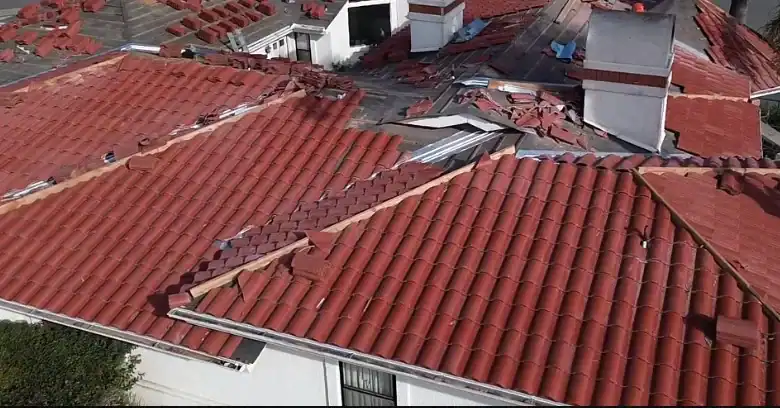
A re-lay begins with the units being lifted in sections, stacked carefully and sorted so that sound pieces are kept and broken ones are set aside for replacement, and the crew has to be careful with every piece.
Preparing for Dry Winds and Embers
Clearing leaves and needles from valleys, gutters and the back of chimneys removes fuel that could ignite from a flying ember, so make it part of the late-summer routine.
Documenting the Work for the Future
A note of the underlayment type, the flashing metal and the fastening method helps any roofer who works on the roof later, and a clear record makes repairs simpler.
Start the Conversation
Anyone sorting out Tile Roofing Installation in Central Coast California is one call away from a straight answer, so use 805-723-2381 to set up the next step. Planning ahead usually leads to better choices than reacting to an emergency, and we are glad to help you sort it out.