
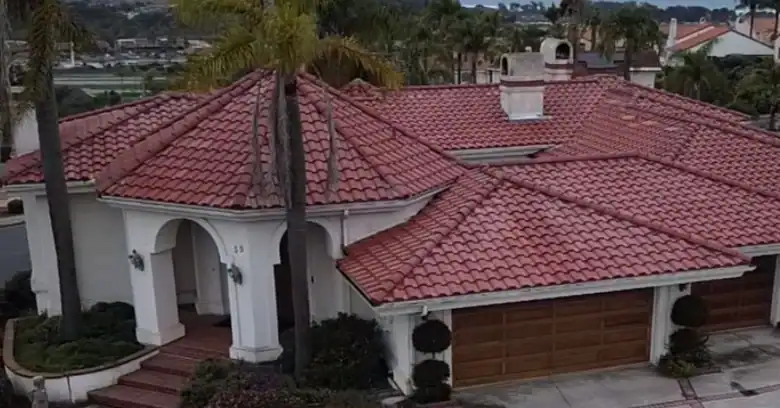
Thinking About Tile Roof Contractors Around Central Coast California?
Creative Roofing works with clay and concrete roofing units, from a single cracked piece to a full re-lay, throughout Central Coast California and the neighboring communities.
Reach us at 805-723-2381 to set up a visit to look at your roof.
How These Roofs Are Put Together
Fired clay and molded concrete are the two materials used for the heavy, durable coverings found across the region, and the system works only when every piece is in place. Both materials resist fire, which has made them popular where wildfire is a concern, and it pays to think it through.
Weight, Framing and What the House Can Carry
The weight of the roof is the first question to settle before changing from lighter material, and it should happen before materials are ordered. Even a roof originally built for heavy units can lose strength over time if water has damaged the wood, and the cost of that work belongs in the plan.
Underlayment Is the Real Waterproofing
Many leaks on roofs of this kind begin with a failed underlayment, not with the pieces on top, and a membrane that has dried out is a common reason for leaks. Replacing the underlayment when the units are removed gives the roof a fresh start, and that is why age matters as much as appearance.
Why Tile Suits Hot Weather
The heavy mass of the pieces absorbs heat during the day and releases it slowly at night, and that is why roofs of this kind are so common in warm regions. A gentle wash and a clear sealer can refresh the appearance of an older roof, and a little care goes a long way.
Cracks, Slips and Broken Pieces
Falling branches and windblown debris can also crack pieces in a storm, and the details are worth a closer look. Asking other trades to avoid walking on the roof prevents a lot of broken pieces, and the cost of a few replacements is small.
Edges and Intersections
Every junction on the roof is a place where craft decides the outcome, so look at how the work is finished. Repointing or replacing the ridge bedding is a routine part of keeping the roof in good shape, and the repair is far less costly than water damage.
Wildfire Season and Fire Resistance
Nails, clips and foam adhesive are the common ways to secure units to the roof, and local rules in windy areas may require specific fastening. Embers do not ignite the pieces, though they can still collect in gaps and under the edges, and clean valleys are important.
Restoring a Roof Rather Than Starting Over
The pieces on an old roof may be fine for many more seasons even when the underlayment has given out, and it is easy to overlook. If the pieces are worn out, a re-lay would only reuse tired material, and the structure should be reviewed first.
How Units Are Bedded and Secured
Each fastening method has strengths, and the choice depends on the slope, the wind exposure and the local rules, and be wary of mortar alone on a ridge. Eave closures and bird stops fill the gap beneath the lowest course, keeping out birds, rodents, leaves and windblown embers, so these small parts deserve attention.
Looking After the Appearance
Cleaning should be done carefully by someone who knows the material, since walking on the roof is a risk to the units themselves, and the details are worth a closer look. Soft washing with a mild solution and a gentle rinse removes growth without harming the surface, so combine the two visits.
Selecting the Layer Beneath
Choosing a durable underlayment is one of the best investments in a long-lived roof, since it is the layer that has to outlast the rest, and that is worth keeping in mind. A sticky rubberized sheet seals around fasteners and clings to the deck, providing waterproofing even if the surface layer is breached, and it adds only modestly to the cost.
Solar Panels, Skylights and Heavy Roofs
Each penetration through the covering is a place where a unit must be cut, and cut pieces are more likely to crack later, and the decision deserves some planning. A roofer can place a few walkway planks or marked steps to protect the routes that others will use, and replacing a unit is far cheaper than repairing the leak. Valleys and low points on a roof of this kind carry the heaviest flow in a downpour, and the units along their edges are cut to fit and sealed with care, and a small repair now prevents a leak later.
Two Materials, Two Personalities
Cast from cement and sand, concrete units take their color from pigment in the mix or from a coating applied to the surface, and compare how they look in daylight. Samples of full-size pieces on a roof model show more than a catalog photograph ever can, and a good supplier will lend a few.
Questions Worth Asking
A thorough proposal names the material, the underlayment, the flashing and the method of attachment, and a little care goes a long way. Find out whether the crew has experience on heavy roofs and can show examples of finished work, and the details are worth a closer look.
How a Restoration Proceeds
Work in stages keeps the house covered at the end of every day, so that a sudden rain does not find an open roof, and the crew has to be careful with every piece.
Preparing for Dry Winds and Embers
Before the dry season peaks, a quick walk around the house with binoculars can show broken units, loose ridge pieces and debris piled in the valleys, and repair broken pieces before the winds arrive.
Keeping Track of a Long-Lived Roof
After a re-lay or a repair, keep the photographs, the proposal and a few spare units stored somewhere safe, because color and profile matching gets harder with time, so ask the roofer for copies.
Start the Conversation
Those comparing Tile Roof Contractors in Central Coast California can reach us by phone, so dial 805-723-2381 when it suits you. Calling before a problem becomes urgent makes it easier to compare materials and schedules, so reach out whenever you are ready.






















