
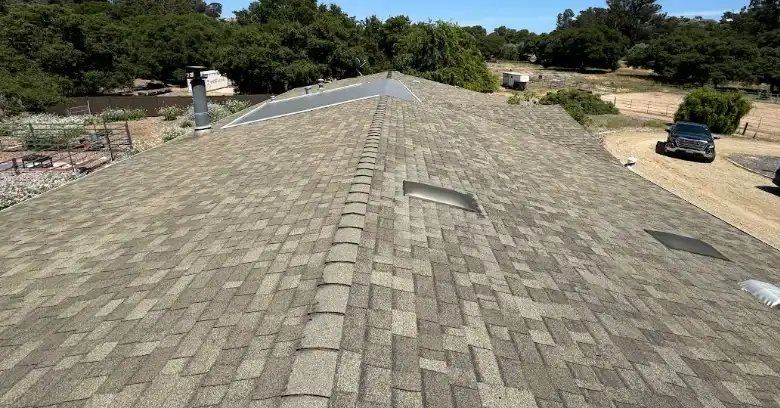
Choosing Architectural Shingle Roof Installations in Grover Beach California?
Creative Roofing works with layered shingles, starter strips, underlayment and ridge caps, across Grover Beach California and nearby.
Phone 805-723-2381 and describe the roof you are weighing.
Layers You Cannot See From the Street
Each shingle is a thin sandwich of mat, asphalt and stone granules, so the whole shingle depends on all of them. Granule loss is the clearest sign that a shingle is wearing out, and it pays to think it through.
Choosing a Weight and Style
Traditional three-tab shingles are a single flat layer cut into three tabs, and they are the lightest and plainest option, and fewer new roofs use it today. The extra layer adds weight and strength, and the cut pattern breaks up the lines, and the difference shows in the finished roof. Designer shingles are heavier and carefully styled to resemble natural slate or cedar, and the added weight is a benefit in wind.
Why Sunny Slopes Age First
Long dry summers bake a shingle roof for months with very little relief from rain, so those slopes make a useful gauge of overall condition. A shingle that has begun to curl no longer lies flat against the roof, so they deserve attention before the rainy season.
Color, Reflectivity and Cooling
Color is a practical decision as much as a matter of taste, and a sample held up outdoors shows the shade truthfully. Special coatings on the granules help send solar heat away from the house, and the actual benefit depends on the house.
Nails, Courses and Starter Strips
The number and position of nails are set by the manufacturer for a reason, so ask how many nails go into each shingle. Starter shingles at the bottom edge anchor the first row and keep wind from getting underneath, and that is worth keeping in mind. Special cap products are made to bend without cracking, and replacing a ridge is simple when done in time.
Gusts and Loose Tabs
The adhesive bond is what keeps tabs flat against the roof in a strong wind, so the two work together. Edges and ridges are where wind does the most damage, and a roofer can reseal tabs with a dab of roofing cement.
Keeping the Attic Breathing
Poor ventilation is one of the quietest causes of early shingle failure, and the plan should be part of the proposal. The right combination depends on the shape of the roof and the size of the attic, and fixing ventilation is far easier during a re-roof.
Flashing, Valleys and Underlayment
Felt paper or synthetic sheets cover the deck and give a second line of defense, and it pays to think it through. An open valley shows a strip of metal, while a closed valley is covered with shingles, and these details cause most leaks on shingle roofs.
Signs of Wear and Choosing Repair or Replacement
Cracks, missing pieces and exposed nails are all signals worth acting on, and one sign alone may not mean much. Patching makes sense when the damage is limited and the shingles are otherwise healthy, and the key is an honest assessment. A roof that is worn out everywhere will keep leaking in new places however many patches it gets, and the new roof will perform better than a patched old one.
Taking Off the Old Shingles
Down to bare wood is how a careful crew starts, because new shingles are only as sound as the surface they are nailed to, and anything hidden gets found at this point. Local rules often limit the number of layers a roof may carry, and many roofers prefer a clean start in any case, and a little care goes a long way. Rotted boards and delaminated plywood are usually found around leaks, valleys and plumbing vents, and expect a call with photographs.
Respect for the House and Garden
Protecting the house is part of the work, not an extra, and the plan should say how landscaping and windows will be shielded, so ask how the yard will be protected. Tires and bare feet find stray nails more often than anyone expects, so a thorough pickup at the end is essential, so walk the yard with the foreman at the end. Letting grit and leaves pile up in a gutter can lead to overflow along the fascia and the foundation, and the new roof will thank you.
Planning Around Rain and Heat
Asphalt shingles seal themselves down with heat from the sun, so warm, dry days produce the best bond and the neatest finish, so booking ahead is wise. On a scorching day the surface of a roof becomes too hot to handle, and the asphalt softens enough to mark if walked on carelessly, and a rushed job in extreme heat is a poor bargain.
Coordinating With Other Trades
A re-roof is the right moment to replace worn skylight curbs, chimney flashing and cracked sealant, before they cause trouble, so list everything on the roof when you ask for proposals. Anyone considering rooftop solar should have the age and condition of the shingles assessed first, so ask both contractors how they would proceed.
Matching Shingles After a Repair
A roofer can often borrow shingles from a hidden slope or the back of the house to repair a more visible area, which gives the best match, so ask the roofer what to expect.
Protecting the Fascia and the Foundation
Without proper edging, rain can wick behind the shingles and attack the sheathing and fascia board over the following seasons, and old fascia boards are easy to replace while the roof is open.
Questions for a Shingle Roofer
Specific wording is the best protection against surprises, and read them slowly. Ask how many layers of old roofing will be removed and how the deck will be inspected, and the answers are worth writing down.
Tell Us What You Are Thinking
Anyone sorting out Architectural Shingle Roof Installations in Grover Beach California is one call away from a straight answer, so use 805-723-2381 to set up the next step. Whether the roof is leaking now or you are planning ahead, an early conversation keeps your options open, and the roof will tell the story once someone looks.
Verified

Verified
Verified
Verified






















