
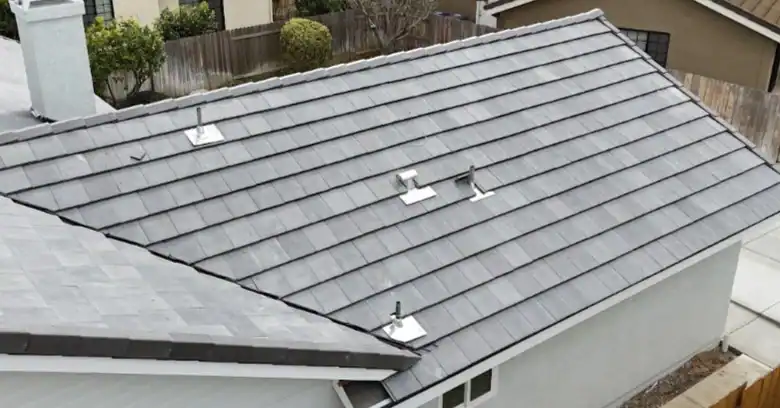
Considering Concrete Tile Roofs Serving Grover Beach California?
Creative Roofing keeps barrel, flat and interlocking roofs weathertight from the deck up, serving homeowners in Grover Beach California and beyond.
Call 805-723-2381 to talk through what a tile roof needs.
Clay and Concrete Units in Plain Terms
A roof of this kind is a layered system in which each piece overlaps the next and the structure beneath does the waterproofing, and the real waterproofing sits underneath. Each type comes in profiles from rounded barrels to flat slabs and interlocking shapes, and the look varies enormously.
Weight, Framing and What the House Can Carry
Heavy coverings put real stress on rafters, trusses and walls, which is why the structure is checked first, and it should happen before materials are ordered. Even a roof originally built for heavy units can lose strength over time if water has damaged the wood, and the cost of that work belongs in the plan.
Felt, Membranes and Battens
The units shed most of the rain, but the underlayment beneath is the layer that actually keeps the house dry, so even a good surface can hide a tired layer. A roof can look perfect from the street and be failing underneath, and the answer says a lot about the contractor.
Dry Climate, Durable Roof
Clay and concrete handle strong sun far better than lighter coverings, which is a large part of their appeal here, so the look holds up. Concrete may chalk or fade after long exposure, and a clean surface may need a sealer or fresh paint, and surface cleaning is far cheaper than replacement.
Cracks, Slips and Broken Pieces
Falling branches and windblown debris can also crack pieces in a storm, and waiting makes the repair more expensive. Roofers who work on fragile coverings place their feet on the lower part of the unit where it is supported, and keep spare pieces from the original installation.
The Detail Work on a Heavy Roof
Every junction on the roof is a place where craft decides the outcome, and metal valleys should be replaced during a re-lay. Ridge and hip pieces are bedded in mortar or fastened with mechanical systems, and the old mortar often fails before the roof does, and it deserves attention as the roof ages.
Wind, Fire and the Fastening Question
A roof with loose pieces is a hazard in a windstorm, and the attachment method should be in the proposal. Bird stops and closures at the eave seal the openings where embers might enter, and the details are worth a closer look.
Deciding What an Aging Roof Needs
Re-laying saves the cost of new material and keeps the original look of the house, and the savings from a re-lay can be considerable. Replacing the whole roof is the right call when the pieces themselves are failing, the framing is damaged or the style no longer suits the house, so it is a time to consider all the options.
Ridge Bedding and Edge Details
Older roofs of this kind used mortar to bed the ridge and hip pieces and to seal the edges, and that mortar eventually cracks and crumbles, and be wary of mortar alone on a ridge. A missing eave closure is easy to spot from the ground as a dark gap along the lower edge of the roof, so these small parts deserve attention.
Cleaning a Heavy Roof Without Damaging It
Cleaning should be done carefully by someone who knows the material, since walking on the roof is a risk to the units themselves, and the result can be striking. High pressure is the wrong tool for a roof made of individual pieces, because the water is driven uphill under the laps, so combine the two visits.
A Better Base for a Long-Lived Roof
Heavy felt, synthetic sheets and self-adhering membranes are the common options, and they differ in heat resistance and tear strength, and that is worth keeping in mind. Combining a sturdy base layer with extra protection at critical points gives a roof two lines of defense, so look for it in the proposal.
Planning Equipment Around the Units
Special hooks and flashing kits exist for these roofs, and an installer who uses them keeps the surface watertight, and a little care goes a long way. Service technicians for air conditioning and chimney sweeps should be told to step only where the roof can bear a person, and inspect after every visit. Valleys and low points on a roof of this kind carry the heaviest flow in a downpour, and the units along their edges are cut to fit and sealed with care, and it is easy to overlook.
Picking the Right Unit for the House
Natural clay generally keeps its color for a very long time, while a coated concrete surface can fade or chalk and may need refreshing, and the difference shows up in the details. Samples of full-size pieces on a roof model show more than a catalog photograph ever can, and a good supplier will lend a few.
Getting Specific About a Heavy Roof
A thorough proposal names the material, the underlayment, the flashing and the method of attachment, and a little care goes a long way. Find out whether the crew has experience on heavy roofs and can show examples of finished work, and a confident contractor will welcome them.
How a Restoration Proceeds
Work in stages keeps the house covered at the end of every day, so that a sudden rain does not find an open roof, and the result is a roof that looks as it did and performs like new.
What to Do Before Summer Ends
Pieces that are cracked or slipped leave gaps, and in a region with wildfire season, gaps are where embers find a way into the roof, so make it part of the late-summer routine.
Records, Photographs and Spare Pieces
After a re-lay or a repair, keep the photographs, the proposal and a few spare units stored somewhere safe, because color and profile matching gets harder with time, and a clear record makes repairs simpler.
Talk to Us About Your Roof
Homeowners weighing Concrete Tile Roofs in Grover Beach California can begin by describing the house and the roof they have, so use 805-723-2381 to set up the next step. Planning ahead usually leads to better choices than reacting to an emergency, and we are glad to help you sort it out.
Verified

Verified
Verified
Verified






















