
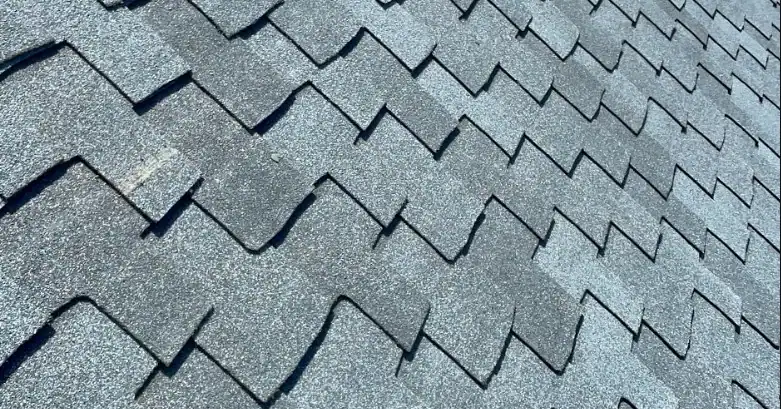
Comparing Luxury Shingle Roofs for a Home in Grover Beach California?
Creative Roofing works with layered shingles, starter strips, underlayment and ridge caps, serving homeowners in Grover Beach California and beyond.
Phone 805-723-2381 and we will go over what a shingle roof involves.
The Anatomy of an Asphalt Shingle
Each shingle is a thin sandwich of mat, asphalt and stone granules, and that is worth keeping in mind. Stone granules reflect part of the sun and keep the asphalt from baking, and the process only gets faster over time.
Shingle Grades Explained
Flat shingles of this style are economical but wear out sooner than thicker kinds, and it remains a reasonable choice in some situations. Laminated shingles are thicker, heavier and more dimensional than flat strip shingles, and colors come in a wide range. Designer shingles are heavier and carefully styled to resemble natural slate or cedar, and the framing should be checked before choosing the heaviest types.
Heat Is the Slow Enemy
Hot weather and strong sun dry the oils in asphalt, leaving the surface stiff and brittle, and the shaded side tells a different story. Blisters appear when trapped moisture or heat pushes up the surface, and it pays to think it through.
Light Versus Dark
Color is a practical decision as much as a matter of taste, and a sample held up outdoors shows the shade truthfully. Some manufacturers offer cool-roof shingles with special granules that reflect more infrared light, and the details are worth a closer look.
How Shingles Are Laid
The nailing line printed on the shingle marks where fasteners must go for the best grip, and a crew that cuts corners here causes trouble later. Offsetting the seams from row to row keeps leaks from lining up, and crooked rows are a warning. Special cap products are made to bend without cracking, and a sloppy ridge is a common weak spot.
How Shingles Resist Wind
Seal strips need warmth to activate, which is why roofs installed in cool weather may take longer to bond, and the nails hold the rest. Edges and ridges are where wind does the most damage, and the details are worth a closer look.
Keeping the Attic Breathing
A hot attic cooks the shingles from underneath, and the damage adds to what the sun does on top, and the eaves and the ridge are where the vents belong. Attic fans, gable vents and ridge vents each work differently and should not fight each other, and a roofer can assess the layout in a short visit.
Where Shingles Meet Everything Else
Modern synthetic underlayments resist tearing and last better in strong sun, and it pays to think it through. Chimneys, walls and skylights need step flashing and counterflashing worked into the shingle courses, so quality work here matters a great deal.
Reading the Roof
Granules in the gutters, curling edges and bald spots are the most reliable signs of an aging shingle roof, and one sign alone may not mean much. Repairing a small area costs far less than a full replacement when the surrounding roof is sound, and it is easy to overlook. Matching old shingles is difficult, so large repairs often look patchy, and that is worth keeping in mind.
What Lies Under the Existing Roof
A complete tear-off lets the roofer inspect each sheet of decking and replace any that has been stained, softened or split, so the plan should allow for repairs to the wood. Overlaying is a shortcut that a careful roofer will explain before agreeing to it, and the savings are usually smaller than they seem. Agreeing on how replacement boards are measured and charged prevents a dispute halfway through the job, and expect a call with photographs.
Keeping the Yard Safe During a Shingle Job
The first hour on site is spent setting up protection, and that time is well spent, and move vehicles and furniture the night before. A professional crew checks the ground more than once, including the gutters, where granules and nails often collect, so walk the yard with the foreman at the end. Downspouts that carry water well away from the house protect both the new roof and the walls beneath it, and a clear gutter is cheap protection.
Choosing the Right Season for Shingles
Timing a project well means picking a stretch of dry days and leaving some room for delays, and the busiest months fill up quickly. On a scorching day the surface of a roof becomes too hot to handle, and the asphalt softens enough to mark if walked on carelessly, and the schedule bends to the weather.
Rooftop Additions and Shingle Work
Skylights and chimneys are best flashed with new metal whenever the shingles are replaced, since reusing old pieces under a new roof invites a leak, and it is easy to overlook. Ideally the roof is renewed before panels are installed, so that the new system is not removed again within a few seasons, and that is worth keeping in mind.
Why a Patch Rarely Matches Perfectly
New shingles set into a sun-faded roof usually look a shade darker or brighter, and the contrast softens only after a season or two of weather, so ask the roofer what to expect.
Carrying Water Away From the House
A drip edge along the eave and the rake guides water into the gutter and keeps it from running behind the fascia, where it would rot the wood, and fixing it now costs less than later.
Questions for a Shingle Roofer
A good proposal names the shingle line, the color, the underlayment and the flashing materials, and a thorough contractor will be happy to explain. Ask about the schedule and how the roof will be covered if rain is forecast, and it is easy to overlook.
Start the Conversation
People researching Luxury Shingle Roofs in Grover Beach California are welcome to call with questions, so use 805-723-2381 to set up the next step. There is no pressure in asking about a new roof, so reach out whenever you are ready.
Verified

Verified
Verified
Verified






















