
Thinking About Residential Roof Contractors Near Me Near Grover Beach California?
Creative Roofing stays with a roofing project from the first walk-around to the final check, across Grover Beach California and the neighboring communities.
Reach out at 805-723-2381 and we will talk through what the roof needs.
The First Step in a Roofing Project
Nothing gets decided until someone has walked the roof, because the rest of the plan rests on the findings from that look. The roofer checks the surface, the flashing, the vents and the gutter line, then the attic if it can be reached, and it pays to think it through.
Sun and heat age a roof in ways that rain alone never would, and a little care goes a long way.
Deciding What the Roof Needs
Whether to fix or replace comes down to the condition of the layers beneath the surface, and the recommendation should come with the reasons attached. A roofer who explains the reasoning in plain terms is easier to trust with the work, and a good roofer expects the question.
Rotted or soft sheathing changes the plan and often the schedule, and nobody should be surprised when it happens.
Picking a Roof Covering
Homeowners usually end up comparing shingles, tile and metal panels, so structure comes first and appearance second. A roof that faces strong sun all afternoon behaves differently depending on its shade, so do not settle the question from a photograph.
The Calendar and the Forecast
Rain arrives in bursts, and a roof that is open when one comes needs protection, so exposed areas get covered at the end of each day. The temperature on the roof can run well above the temperature in the shade, so the day usually begins at sunrise.
Tear-Off and Preparation
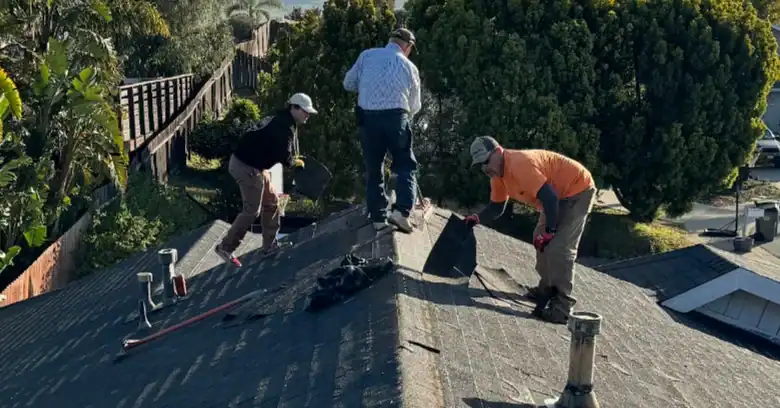
The existing covering is stripped away and the deck is left exposed for inspection, so landscaping and windows are covered before the first piece comes up. Repairs to the deck happen now, before anything new is installed, because new material is only as good as what it is fastened to.
Underlayment and Drying In
The first layer laid over the deck is a barrier against moisture, so self-adhering membrane goes where leaks tend to begin. Reaching this stage quickly is a sensible way to protect the interior, and the visible covering goes on from there.
Small Metal Pieces, Large Consequences
Flashing is the thin metal that keeps water out where the roof meets something else, and reusing old flashing under a new roof often comes back to bite. Pipe seals made of soft materials fail early in strong sun, so replacing them along with the roof removes a predictable problem.
Attic Airflow
Heat collects in the space beneath the roof deck unless it has somewhere to go, and vents at the eaves let cooler air in. More vents are not always better, because intake and exhaust have to be balanced, and the answer should be part of the proposal.
The Last Day on Site
When the last piece is installed, the cleanup begins, so gutters are checked and cleared of loose granules. Keeping a short record of the materials used helps with later maintenance, and it pays to think it through.
The Paperwork Side of a Roof
Local requirements shape the job before the first shingle is touched, and the process is easier when someone handles it for you. Areas with wildfire exposure often have extra requirements for roofing materials and vents, so ask how the plan meets the rules for your street. The best paperwork leaves little room for misunderstanding, because what is written down is what everyone remembers.
What Happens to the Yard
Heavy materials, ladders and falling pieces all share the space around the walls, and a careful crew sets them before the work begins. Cars parked in the driveway can be struck by falling nails or pieces of shingle, and a little planning prevents most accidents. Inside the house, vibration can shake items from shelves and loosen attic insulation, and covering belongings is a sensible precaution.
The Few Days of Commotion
A new roof usually takes a few days for an average house, though weather and size change that, and plan on some slack for the weather. Informing nearby households is a courtesy that pays off, and early starts mean early noise. Remote workers may want a quiet spot elsewhere for a day or two, and a plan for the loud days makes them easier.
What to Ask Every Roofer
Ask what will be done with the old material and how the deck will be handled, and write the answers down. Product names and thicknesses on the proposal let you compare like with like, so ask before you sign anything. Surprises are normal, and a process for them is a sign of a well-run job, and settle it before the first day.
Maintenance After the Job
A roof that is never looked at tends to fail when it is least convenient, and the best times are before the rainy season and after the first big storm. Keep the gutters clear of leaves and needles, especially at the end of the dry season, and a small broom is often enough. A prompt visit after damage keeps a minor repair minor, so do not wait for the next storm.
Is There a Best Time for a New Roof
A roof replaced on purpose goes better than one replaced in a panic, and a calm decision is nearly always a better one. Early fall is popular because the weather is still dry and the heat has eased, and the details are worth a closer look.
Checking the Space Beneath the Deck
Looking at the roof from inside the attic before the work begins reveals water stains, damp insulation and daylight where none should enter, and attic problems are cheaper to deal with during a re-roof.
Ready When You Are
A call is the simplest way to begin planning work in Grover Beach California, and 805-723-2381 reaches the right person. Large or small, a roofing project goes best when the plan is clear before the work starts, and the roof will tell the story once someone looks. Taking the first step is usually the hardest part of any home project, and nobody will rush you.
Verified

Verified
Verified
Verified






















