
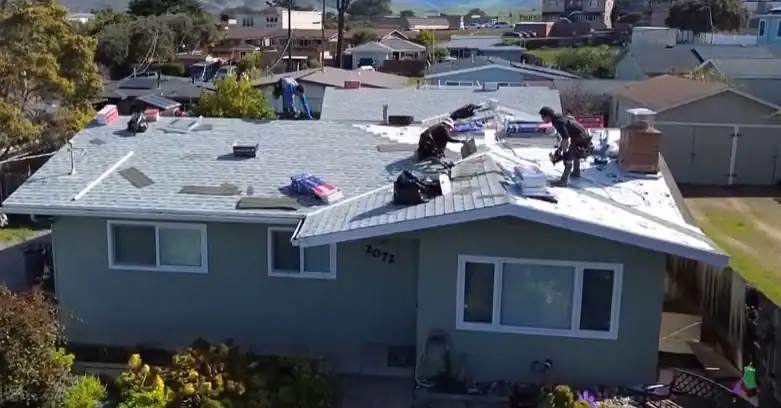
Weighing Roofing Installation Around Grover Beach California?
Creative Roofing handles the planning, the tear-off and the cleanup of a roof job, serving Grover Beach California and the places close by.
Reach out at 805-723-2381 and we will talk through what the roof needs.
Where a Roofing Job Begins
A roofing project begins with a close look at the surface, the edges and the pipes, and a rushed visit tends to cost more than it saves. Loose granules, lifted edges, cracked flashing and soft spots all say something about the layers below, and it pays to think it through.
Long dry summers and strong sun leave their mark on nearly every roof in California, and a little care goes a long way.
Choosing How Far to Go
Whether to fix or replace comes down to the condition of the layers beneath the surface, and the details are worth a closer look. A roofer who explains the reasoning in plain terms is easier to trust with the work, since the plan should make sense to the person paying for it.
Wood that has been wet for a long time has to be cut out and replaced, so a note on how it will be handled saves arguments later.
Shingle, Tile or Metal
Most houses here wear one of three coverings, and the choice shapes everything else, so structure comes first and appearance second. Lighter colors reflect more of the summer sun, while darker ones soak it up, and that is worth keeping in mind.
Planning for Rain and Heat
Roof work is easiest to schedule in the long dry stretch between rains, and crews watch the forecast closely. Heat affects the work as well, so the day usually begins at sunrise.
Tear-Off and Preparation
Old roofing comes off in layers, down to the bare decking, and protecting the driveway and plants is worth asking about. Soft or split sheathing is cut out and new panels are fastened down, because new material is only as good as what it is fastened to.
Protection Under the Covering
Beneath every roof is a membrane that catches whatever the surface lets through, so self-adhering membrane goes where leaks tend to begin. Drying in gives the crew a margin against surprise weather, and the visible covering goes on from there.
Penetrations and Edges
The places where a roof is interrupted are the places most likely to leak, and reusing old flashing under a new roof often comes back to bite. Sun dries and cracks the flexible parts over time, so this is an easy step to ask about.
Air Under the Roof
Heat collects in the space beneath the roof deck unless it has somewhere to go, so vents near the ridge give the hot air a way out. The design of the system matters more than the number of vents, and a roofer should be able to describe it simply.
The Last Day on Site
Once the roofing is done, the property has to be put back in order, and that is part of the work, not an extra. A walk around the finished roof with the roofer is a reasonable thing to ask for, and a saved record answers questions nobody has thought to ask yet.
Permits and Paperwork
Rules about reroofing differ from one city to the next, and the process is easier when someone handles it for you. Certain hillside and edge-of-town areas follow stricter material rules than the valley floor, and a roofer working in the area should already know them. A proposal that names its materials and steps is easier to compare, and it is worth reading it slowly.
Looking After Your Property During the Work
The ground around a house takes a beating during a roof project, and a careful crew sets them before the work begins. Moving vehicles out of range for the day is a simple precaution, so tell the crew about anything fragile or valuable. Inside the house, vibration can shake items from shelves and loosen attic insulation, and a sheet over stored boxes keeps the grit off.
Living Through a Roof Project
Timing depends on the size of the roof, the complexity of the layout and the covering chosen, and plan on some slack for the weather. Informing nearby households is a courtesy that pays off, and most people are tolerant when they know what to expect. Household routines bend a little while the work is under way, and a plan for the loud days makes them easier.
Questions That Reveal the Difference
Ask how the crew protects the house when rain is in the forecast, and write the answers down. Knowing exactly what is going on the house removes a common source of disputes, and take your time reading it. Ask what happens if something unexpected turns up under the old roof, and keep the discussion friendly but specific.
Caring for the Roof Once It Is Done
A roof that is never looked at tends to fail when it is least convenient, so put it on the calendar like any other chore. Keep the gutters clear of leaves and needles, especially at the end of the dry season, and it protects the investment you just made. Waiting on a small problem usually makes it more expensive, and the earlier the better.
Is There a Best Time for a New Roof
Planning ahead usually gives better choices than reacting to an emergency, and a calm decision is nearly always a better one. Early fall is popular because the weather is still dry and the heat has eased, so do not feel the choice is locked in.
What the Crew Sees Inside the House
When the old roof comes off, the crew sees the underside of the deck, and stains, rust on nail tips and darkened wood tell the story of past leaks, and bring a flashlight if you can.
Start the Conversation
Homeowners comparing Roofing Installation in Grover Beach California can simply pick up the phone, with 805-723-2381 ready whenever you are. Whether the job is a small section or a whole house, the questions are much the same, and that is worth keeping in mind. Putting off a roof question rarely makes it easier to answer, and that is a good place to begin.
Verified

Verified
Verified
Verified






















