
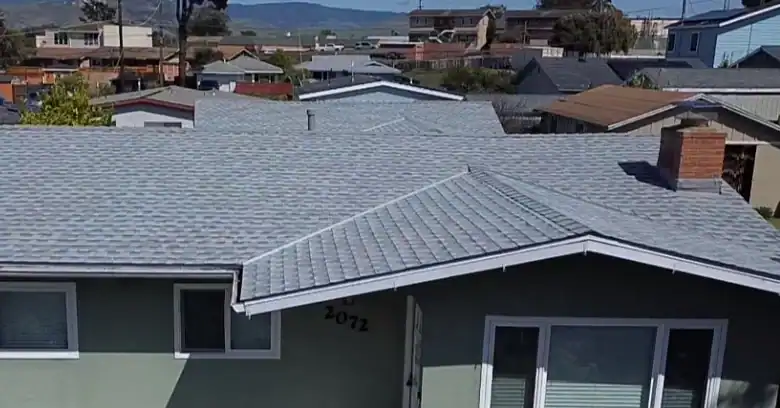
Looking for New Roofing for a Home in Grover Beach California?
Creative Roofing stays with a roofing project from the first walk-around to the final check, working in Grover Beach California and nearby.
Phone 805-723-2381 to start a conversation about the roof over your head.
Where a Roofing Job Begins
Nothing gets decided until someone has walked the roof, since guessing from the ground leads to surprises later. The roofer checks the surface, the flashing, the vents and the gutter line, then the attic if it can be reached, and that is the evidence a sensible plan is built on.
Months of direct sun take a steady toll on whatever covers a house, so the south and west slopes get the closest attention.
Setting the Scope of Work
Some roofs need a patch, some need a section redone, and some have reached the end of the road, and an honest roofer will say which one applies. Pictures of the trouble spots take the guesswork out of the decision, so do not feel awkward about asking.
Wood that has been wet for a long time has to be cut out and replaced, and it helps to know that before the work begins.
Material Decisions
Most houses here wear one of three coverings, and the choice shapes everything else, since heavy coverings need a frame built to carry them. The shade of a roof affects how hot it runs in July, and that is worth keeping in mind.
Scheduling Around the Weather
Roof work is easiest to schedule in the long dry stretch between rains, and it pays to think it through. Heat affects the work as well, and finishing early keeps people and materials in better shape.
What Happens on Demolition Day
Tear-off gives the first real view of the structure under the roof, and protecting the driveway and plants is worth asking about. Once the deck is bare, any damaged boards are replaced, because new material is only as good as what it is fastened to.
What Goes Down First
The first layer laid over the deck is a barrier against moisture, and chimneys get particular care. The house is safest once the second layer is complete, and that is worth keeping in mind.
Flashing and the Fiddly Parts
The places where a roof is interrupted are the places most likely to leak, and the cost is small next to the roof it protects. Plumbing vents are among the most common sources of small leaks, so replacing them along with the roof removes a predictable problem.
Ventilation in a Warm Climate
Warm air trapped under the deck works on the roof from below, since warm air rises on its own when it is given a path. More vents are not always better, because intake and exhaust have to be balanced, because airflow is easy to plan now and hard to add later.
Cleanup and the Final Walk-Through
The job is not over until the yard looks like a yard again, so gutters are checked and cleared of loose granules. Looking at the ridge, the valleys and the flashing with the roofer present is time well spent, and it pays to think it through.
Permits and Paperwork
Depending on the town, a re-roof may need a permit before any material is ordered, and a little care goes a long way. Fire safety rules in some neighborhoods affect which coverings are allowed, and the details are worth a closer look. Vague wording on a proposal is a reason to ask questions, so compare any two side by side.
What Happens to the Yard
Heavy materials, ladders and falling pieces all share the space around the walls, and that is worth keeping in mind. Moving vehicles out of range for the day is a simple precaution, and a little planning prevents most accidents. The attic gets dusty during tear-off, and anything stored there will notice, so it is wise to take down fragile pictures first.
Noise, Neighbors and Daily Life
Timing depends on the size of the roof, the complexity of the layout and the covering chosen, and the crew should give you a realistic window. Informing nearby households is a courtesy that pays off, and early starts mean early noise. Household routines bend a little while the work is under way, so consider a day out of the house if you can.
What to Ask Every Roofer
Ask how the roof will be ventilated and how the flashing will be handled, and anything left vague deserves a follow-up. Knowing exactly what is going on the house removes a common source of disputes, and it should be written on the proposal. Surprises are normal, and a process for them is a sign of a well-run job, and keep the discussion friendly but specific.
Looking After a New Roof
Even a new roof benefits from an occasional look from the ground, and little problems stay little. Keep the gutters clear of leaves and needles, especially at the end of the dry season, and it also reduces fire risk in dry months. Waiting on a small problem usually makes it more expensive, and it is far easier to repair than to rebuild.
Spring, Summer or Fall
Many homeowners wait until a leak appears before they think about a roof, and a calm decision is nearly always a better one. Early fall is popular because the weather is still dry and the heat has eased, and the details are worth a closer look.
Checking the Space Beneath the Deck
Rust on the points of roofing nails and dark patches on the sheathing are signs that moisture has been present for some time, so ask the roofer to look inside as well.
Getting Started in Grover Beach California
Anyone researching New Roofing in Grover Beach California is one call away from a straight answer, and the number is 805-723-2381. The size of the project changes the schedule but not the principle, and we are glad to talk through the options. A short conversation can turn a vague worry into a clear plan, and nobody will rush you.
Verified

Verified
Verified
Verified






















