
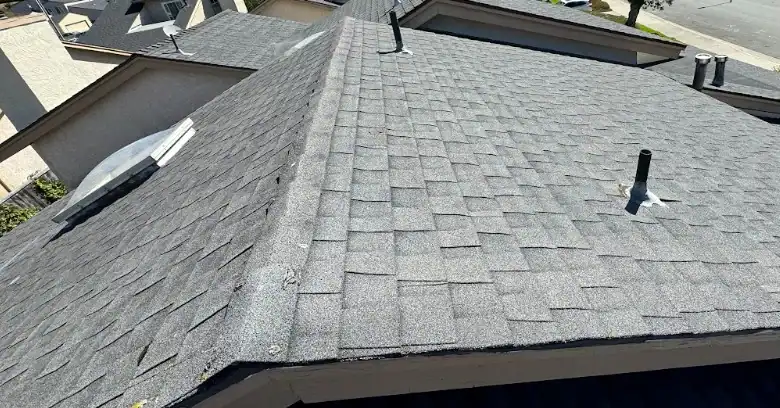
Thinking About Shingle Roof Installation Around Grover Beach California?
Creative Roofing handles shingle roofing from the first nail to the last ridge cap, for homes in Grover Beach California and the towns around it.
Ring 805-723-2381 and we will go over what a shingle roof involves.
Mat, Asphalt and Granules
Behind the familiar look is a layered construction, so the whole shingle depends on all of them. Granule loss is the clearest sign that a shingle is wearing out, and the process only gets faster over time.
Three-Tab, Architectural and Designer Lines
Older houses often wear three-tab shingles because they were once the standard, and a little care goes a long way. Dimensional shingles imitate the look of shake or slate at a modest cost, so there is something for most houses. Premium and luxury lines go further, with thicker laminates, deeper shadow lines and designer shapes, and the framing should be checked before choosing the heaviest types.
Heat Is the Slow Enemy
The sun does more to age a shingle roof in this region than any other force, and the difference shows how much the sun contributes. Edges that lift, corners that curl and surfaces that crack all point to age, so they deserve attention before the rainy season.
Cool Shingles and Heat Gain
Color is a practical decision as much as a matter of taste, so consider how the house sits in the sun. Cool shingle lines are designed to lower roof temperatures without changing the look much, so ask for the product details and the rating.
Nails, Courses and Starter Strips
The number and position of nails are set by the manufacturer for a reason, and check that they are driven flush. Starter shingles at the bottom edge anchor the first row and keep wind from getting underneath, so a good crew follows the layout exactly. Ridge caps finish the roof where two slopes meet and shed water over the crest, so the details at the top deserve attention.
How Shingles Resist Wind
Seal strips need warmth to activate, which is why roofs installed in cool weather may take longer to bond, so the two work together. Wind rarely harms a well-sealed roof, but it finds every weak spot on an old one, and a roofer can reseal tabs with a dab of roofing cement.
Balanced Intake and Exhaust
Poor ventilation is one of the quietest causes of early shingle failure, so check that the soffit openings are not blocked by insulation. Adding insulation without maintaining airflow can make an attic hotter in summer, and fixing ventilation is far easier during a re-roof.
Where Shingles Meet Everything Else
The shingles shed most of the water, but the underlayment handles the rest, and a better underlayment costs little in the whole job. Valleys are the crossing channels where two slopes meet, and they carry the most water on the roof, so quality work here matters a great deal.
Spotting Trouble Early
Several signs together point to a roof that needs more than a patch, and a roofer can sort the serious from the cosmetic. A few damaged shingles can often be replaced without touching the rest of the roof, and the key is an honest assessment. A roof that is worn out everywhere will keep leaking in new places however many patches it gets, so plan the project before the leaks begin.
What Lies Under the Existing Roof
Most shingle replacements begin with a full tear-off, in which the old layers are stripped away and the plywood or boards beneath are laid bare, and anything hidden gets found at this point. Putting a second layer on a tired roof can trap heat and moisture between the layers and shorten the life of both, and the savings are usually smaller than they seem. Sheathing that crumbles or feels spongy underfoot must be replaced before shingles can hold, and expect a call with photographs.
Debris, Magnets and Final Sweeps
Protecting the house is part of the work, not an extra, and the plan should say how landscaping and windows will be shielded, and a little preparation prevents most complaints. Tires and bare feet find stray nails more often than anyone expects, so a thorough pickup at the end is essential, so walk the yard with the foreman at the end. Checking the gutters after the first big rain is a good habit, and it takes only a few minutes, and it costs little to keep them clear.
Planning Around Rain and Heat
Shingle work goes best in dry, mild weather, when the sealing strips bond quickly and the crew can leave the roof open without worry, so booking ahead is wise. Heat is a normal part of summer roofing, and a good crew plans the day around it rather than fighting it, and the schedule bends to the weather.
Skylights, Chimneys and Solar Panels
Skylights and chimneys are best flashed with new metal whenever the shingles are replaced, since reusing old pieces under a new roof invites a leak, and mention any plans to add more later. Ideally the roof is renewed before panels are installed, so that the new system is not removed again within a few seasons, and that is worth keeping in mind.
Making a Repair Look Right
Older shingles lose color and granules in the sun, so a few fresh ones will stand out until the surrounding roof catches up, and function matters more than appearance here.
Carrying Water Away From the House
Shingles should overhang the drip edge by a small, consistent amount so that water drops cleanly into the gutter instead of curling back under, and fixing it now costs less than later.
Comparing Shingle Roofing Proposals
A good proposal names the shingle line, the color, the underlayment and the flashing materials, and the line items let you compare two bids fairly. A roofer who explains the process clearly is usually one who follows it, and trust your sense of how the questions are received.
Talk to Us About a Shingle Roof
A conversation about Shingle Roof Installation in Grover Beach California usually starts with the age of the current roof, so use 805-723-2381 to set up the next step. Even a quick call can clear up questions about shingle grades, colors and timing, and the roof will tell the story once someone looks.
Verified

Verified
Verified
Verified






















