
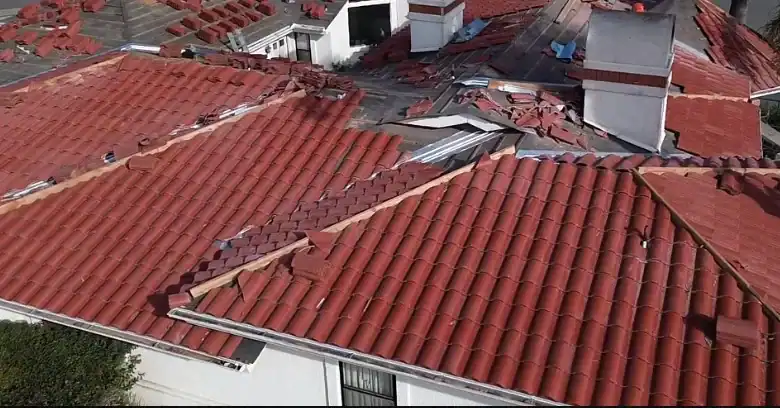
Considering Tile Roofing Installation for a Home in Grover Beach California?
Creative Roofing works with clay and concrete roofing units, from a single cracked piece to a full re-lay, for homes in Grover Beach California and the towns around it.
Dial 805-723-2381 and ask about the roof over your house.
What Makes a Roof Out of Fired Clay or Molded Concrete Different
Every piece is shaped to channel water downhill and over the piece below, and that is worth keeping in mind. Clay is formed and fired in a kiln, which gives it a rich natural color that does not fade, so samples help with the choice.
Structure First, Style Second
Many houses built for tile are designed to carry it, while others would need reinforcement, so a visual check is where the process begins. Replacing a lighter covering with a heavier one without checking the structure is a serious mistake, and the details are worth a closer look.
What Sits Beneath the Pieces
Water gets under the pieces during wind-driven rain, and the underlayment carries it down and out, and a membrane that has dried out is a common reason for leaks. A roof can look perfect from the street and be failing underneath, and high-temperature types are worth the small extra cost.
Strong Sun and Fired Surfaces
Clay and concrete handle strong sun far better than lighter coverings, which is a large part of their appeal here, and that is why roofs of this kind are so common in warm regions. Cosmetic wear is common and does not usually affect performance, so ask before assuming the roof is failing.
Walking on a Fragile Roof
Broken pieces are the most common problem on a roof of this kind, and they usually come from foot traffic, and replacing a broken piece is a quick job. Satellite installers, painters and gutter cleaners are common causes of damage, and keep spare pieces from the original installation.
Where Pieces Meet Walls and Each Other
Every junction on the roof is a place where craft decides the outcome, and a hurried job shows up in the first heavy rain. Dry-set ridge systems replace mortar with clips and are easier to maintain, and the repair is far less costly than water damage.
Wildfire Season and Fire Resistance
Some systems use a mechanical clip at every piece, while others rely on adhesive along the edges, and edges and ridges deserve the most attention. Clay and concrete are noncombustible, which is a strong advantage in a region with wildfire seasons, and clean valleys are important.
Repair, Re-Lay or Replace
The decision depends on how many pieces are cracked and how the underlayment is holding up, so ask for an assessment of the underlayment. Replacing the whole roof is the right call when the pieces themselves are failing, the framing is damaged or the style no longer suits the house, and the new material can be a different type.
How Units Are Bedded and Secured
Older roofs of this kind used mortar to bed the ridge and hip pieces and to seal the edges, and that mortar eventually cracks and crumbles, so ask how the pieces will be held in place. Gaps at the ridge need the same attention, since embers and animals will find any opening, and a little care goes a long way.
Moss, Stains and Keeping the Surface Clean
Dark streaks and patches of lichen are common on north faces and under trees, and they are mostly a cosmetic issue, so consider it before deciding to replace. Pressure washers can strip the coating from concrete units and force water under the overlaps, so they are best avoided or used with great care, and it is easy to overlook.
Underlayment Choices and Upgrades
The underlayment is the part of a roof of this kind that owners cannot see and roofers can easily skimp on, so it deserves specific attention in a proposal, and the choice should be in writing. A sticky rubberized sheet seals around fasteners and clings to the deck, providing waterproofing even if the surface layer is breached, and good detailing here pays off for decades.
Working Around Obstacles
Rooftop solar arrays and skylights need openings or mounting points cut through a roof of individual pieces, and each one has to be flashed with care, so coordinate the roofer with any other trade. A roofer can place a few walkway planks or marked steps to protect the routes that others will use, and a short sign near the hatch helps. Valleys and low points on a roof of this kind carry the heaviest flow in a downpour, and the units along their edges are cut to fit and sealed with care, and a ladder and a soft broom are often all you need.
How the Two Kinds Differ
Between the two, concrete is usually the more economical, while clay is prized for its authentic look and its long record of service, and the difference shows up in the details. Matching the profile to the style of the house is the first design decision, and it affects the cost and the installation method, and think about the neighbors as well.
How to Weigh Two Bids
Look for details on the underlayment type, the valley metal and the ridge system, so ask for them before signing. A roofer who has re-laid many roofs knows the pitfalls and can describe them without hesitation, and trust the tone of the conversation.
Stages of a Careful Re-Lay
Sorting the units as they come off lets the roofer count how many replacements will be needed and order matching pieces, and the result is a roof that looks as it did and performs like new.
Seasonal Readiness for a Tile Roof
Closure strips at the eaves and the ridge keep embers and animals out of the space beneath the units, and that is worth keeping in mind.
Notes That Help the Next Owner
A small stack of leftover pieces from the original job is worth more than almost any other record, since replacements are rarely identical, and it costs almost nothing to keep them.
Ready to Look at Options
Those comparing Tile Roofing Installation in Grover Beach California can reach us by phone, so use 805-723-2381 to set up the next step. Calling before a problem becomes urgent makes it easier to compare materials and schedules, so reach out whenever you are ready.
Verified

Verified
Verified
Verified






















