
Ready for Architectural Shingle Roofing Serving Guadalupe California?
Creative Roofing handles shingle roofing from the first nail to the last ridge cap, for homes in Guadalupe California and the towns around it.
Phone 805-723-2381 and ask about a shingle roof for your house.
What a Shingle Roof Is Made Of
The common residential shingle starts as a reinforcing mat, which is coated with asphalt and then surfaced with mineral granules, and that is worth keeping in mind. Granule loss is the clearest sign that a shingle is wearing out, so a handful of grit in a downspout tells a story.
Choosing a Weight and Style
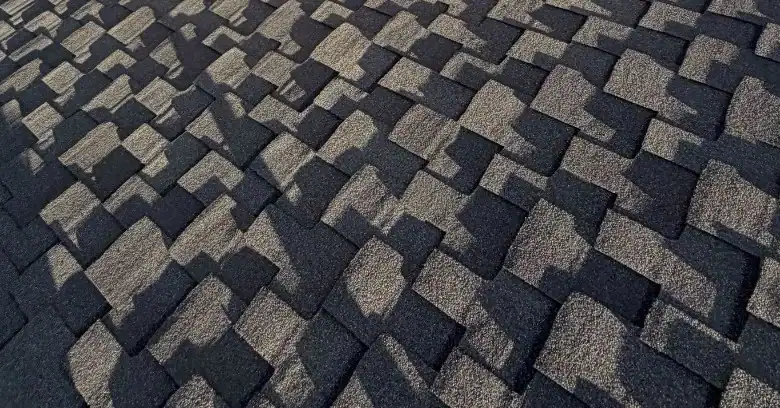
Traditional three-tab shingles are a single flat layer cut into three tabs, and they are the lightest and plainest option, and the saving is real but so is the shorter life. Laminated shingles are thicker, heavier and more dimensional than flat strip shingles, so there is something for most houses. A luxury shingle uses extra layers and special granules to create a handcrafted appearance, and the framing should be checked before choosing the heaviest types.
How California Weather Wears a Shingle
Hot weather and strong sun dry the oils in asphalt, leaving the surface stiff and brittle, and the effects are visible on the south and west slopes first. Blisters appear when trapped moisture or heat pushes up the surface, and each one is a place a leak can start.
Color Choices for a Sunny Climate
Shingles in dark shades absorb more heat, and they can run noticeably hotter on a summer afternoon, and a sample held up outdoors shows the shade truthfully. A reflective product can ease the burden on air conditioning, so ask for the product details and the rating.
How Shingles Are Laid
Nails driven too high or too low weaken the hold of the whole course, and overdriven nails cut the mat and create weak spots. A starter strip along the eave and the rake gives the first course a sealed edge and extra grip, so a good crew follows the layout exactly. Hips and ridges are capped with special pieces that bend over the peak and seal the top of the roof, and the ventilation opening below the cap should stay clear.
Seal Strips and Warm Weather
A shingle that never sealed can lift and flap in a gust, and a roof installed in summer bonds quickly. Edges and ridges are where wind does the most damage, so a loose shingle should not wait for the next storm.
Keeping the Attic Breathing
A balanced system of intake and exhaust keeps the temperature under the roof closer to the air outside, so check that the soffit openings are not blocked by insulation. More vents is not better, and mixing types can short-circuit the flow, so ask what will be done about ventilation.
Waterproofing Layers and Metal Pieces
Felt paper or synthetic sheets cover the deck and give a second line of defense, and it matters most when the roof is open to weather. Valleys are the crossing channels where two slopes meet, and they carry the most water on the roof, so quality work here matters a great deal.
Spotting Trouble Early
A roof that sheds grit, lifts at the edges and shows dark patches is reaching the end of its life, and one sign alone may not mean much. Isolated problems from a branch or a loose tab respond well to a simple repair, so ask for photographs of the problem areas. A roof that is worn out everywhere will keep leaking in new places however many patches it gets, and the new roof will perform better than a patched old one.
Taking Off the Old Shingles
A complete tear-off lets the roofer inspect each sheet of decking and replace any that has been stained, softened or split, so the plan should allow for repairs to the wood. Laying new shingles over old ones is sometimes allowed, but it hides the deck and adds weight to the structure, and a little care goes a long way. Since the extent of deck damage cannot be known until the old roof is off, a fair agreement sets a method for pricing the extra work, and good communication keeps everyone calm.
What the Site Should Look Like at the End
A shingle tear-off throws old material in every direction, so a careful crew covers plants, vents and the ground before the first piece comes off, and move vehicles and furniture the night before. Final cleanup should leave the property as orderly as it was found, apart from the new roof, and point out anything that was missed. Letting grit and leaves pile up in a gutter can lead to overflow along the fascia and the foundation, and the new roof will thank you.
Timing a Shingle Replacement
A roof installed in warm weather bonds sooner than one finished in cool, damp conditions, and that early bond helps in wind, and the busiest months fill up quickly. Crews adjust to the heat by working early and finishing before the worst of the afternoon, which protects the material and the people, and the schedule bends to the weather.
Working Around Things That Share the Roof
Skylights and chimneys are best flashed with new metal whenever the shingles are replaced, since reusing old pieces under a new roof invites a leak, so list everything on the roof when you ask for proposals. Anyone considering rooftop solar should have the age and condition of the shingles assessed first, and the order of the work matters a great deal.
Matching Shingles After a Repair
Older shingles lose color and granules in the sun, so a few fresh ones will stand out until the surrounding roof catches up, so ask the roofer what to expect.
Carrying Water Away From the House
Without proper edging, rain can wick behind the shingles and attack the sheathing and fascia board over the following seasons, and old fascia boards are easy to replace while the roof is open.
Apples to Apples
Specific wording is the best protection against surprises, and a thorough contractor will be happy to explain. Ask about the schedule and how the roof will be covered if rain is forecast, and compare the replies from each company.
Tell Us What You Are Thinking
A conversation about Architectural Shingle Roofing in Guadalupe California usually starts with the age of the current roof, and the number is 805-723-2381. Whether the roof is leaking now or you are planning ahead, an early conversation keeps your options open, and the first step is just a phone call.
Verified

Verified
Verified
Verified
Verified






















