
Need Built Up Roofing Services Serving Guadalupe California?
Creative Roofing handles the seams, drains and edges where a flat roof succeeds or fails, from Guadalupe California out to the surrounding area.
Phone 805-723-2381 and describe what you are seeing up there.
The Challenge of a Level Surface
A roof with barely any pitch is a different design problem from the ordinary sloped kind, and that is worth keeping in mind. Standing water multiplies every defect and speeds up aging, and ask what systems they install most.
Types of Flat Roofing
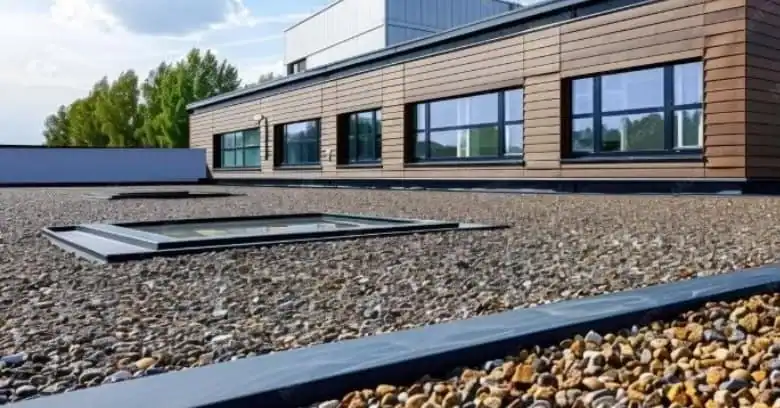
White single-ply membranes reflect sunlight and help keep the building cooler, so a damaged area can be fixed cleanly. Rubber membranes are black or white, and the seams are joined with tapes or adhesives, and punctures can be patched with the same materials. Built-up roofing, often called BUR, layers hot or cold asphalt with reinforcing fabric and finishes with gravel or a cap sheet, so the structure has to carry it.
Following the Water to Its Source
Most flat roof leaks start at a detail rather than in the middle of the roof, and shortcuts miss the trouble. Termination bars and sealant hold the top edge of the membrane against the wall, and the work is simple for a roofer.
Keeping a Level Roof Drained
Ponding is the condition of standing water on a roof, and it accelerates wear on any membrane, and a little care goes a long way. Tapered insulation or added crickets can create the slope that a level roof lacks, so ask for a plan to improve drainage.
Sunshine, Heat and Aging
Dark surfaces can reach temperatures much higher than the surrounding air, and it is easy to overlook. Reflective surfaces keep rooms below cooler and may reduce the load on air conditioning, and a coating cannot rescue a roof that is wet inside.
Vents, Pipes and Rooftop Units
Every pipe, vent and curb through a flat roof is a place where the membrane has to be cut and sealed, so these spots deserve regular checks. Tools, ladders and dropped objects can cut a sheet, so care is required, and a little care goes a long way.
Choosing How Far to Go
A skilled roofer can patch a membrane so that the repair outlasts the surrounding area, and temporary fixes should be called what they are. Testing for moisture shows what the roof can accept, and the survey is worth the small cost. A new roof is also a chance to improve slope, drains and edges, and compare more than one proposal.
Small Flat Roofs With Big Responsibilities
Many homes combine a pitched main roof with flat sections at the back or the sides, and the two meet in a joint that needs careful flashing, and the wrong material on a flat roof will leak. Leaks that appear in the room next to an addition often trace back to this single joint, and fixing it properly takes some patience. Roof decks and patios built over living space need a waterproofing layer under the finished surface, and a failure there can be expensive to reach, and the details should be planned with the whole project.
Heat Gain and Thermal Layers
Rooms beneath a flat roof often feel warmest in late afternoon, when the surface has soaked up a full day of sun, and it is easy to overlook. Cutting a small test square is another way to check, and it is sealed again as part of the same visit, and that is often cheaper than a full tear-off.
Before the Rains and After the Storms
Walking the roof once a year, in a safe and careful way, reveals problems that are invisible from the ground, and a small repair now is nearly always cheaper. Standing water that remains for days after rain is worth reporting, even if no leak has appeared yet, so do not wait to see whether it dries out.
Securing the Roof Against the Wind
After a windy spell it is worth checking the perimeter from a ladder for loose trim, lifted seams and curling edges, and repairs should not wait for the next storm. Stones that have been scattered by wind or foot traffic leave bare patches that expose the membrane to ultraviolet light, and the gravel does a great deal of quiet work. Crowded rooftops with many pipes and units are slow to roof, because every obstacle needs its own flashing and sealing, and a thorough walk-through prevents them.
Curbs, Collars and Boots
Each opening is a separate detail, and each one should be listed in the written proposal, so ask how every opening will be handled. Plumbing vents, conduits and exhaust ducts pass through the membrane and need boots, collars or pitch pockets that suit the material, so ask about consolidating them. Drains and scuppers are also penetrations, and the flashing around them has to be watertight while still letting the water through quickly, and a blocked outlet loads a roof beyond its design.
What the Paperwork Should Say
The written scope should list the flashing details, the edge metal and the drainage work, and it lets you compare two bids fairly. Ask who will supervise the work and how weather delays will be handled, and notes help you compare.
Scheduling and Living With a Flat Roof Project
Hot-applied and adhesive systems give off smells while they cure, so windows and vents near the work area are usually closed for a day, and that is worth keeping in mind.
What People Wonder When the Roof Is Flat
Plenty of owners assume a membrane has to be replaced at the first sign of wear, when a repair or a coating would have done the job, so do not hesitate to ask.
Ready to Look at Options
Anyone sorting out Built Up Roofing Services in Guadalupe California is one call away from a straight answer, and 805-723-2381 reaches someone who can help. Calling before a problem becomes urgent makes it easier to compare options and schedules, and a little care goes a long way.
Verified

Verified
Verified
Verified
Verified






















