
Considering Concrete Tile Roofing Contractors in Guadalupe California?
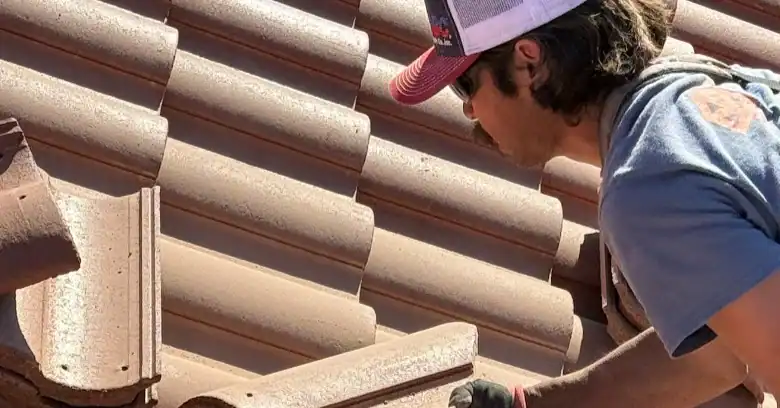
Creative Roofing knows how to walk a fragile surface, find the broken piece and replace it cleanly, from Guadalupe California out to the surrounding area.
Phone 805-723-2381 and describe the roof and what you are seeing.
A Heavy Covering With a Long History
Fired clay and molded concrete are the two materials used for the heavy, durable coverings found across the region, and that is worth keeping in mind. Clay is formed and fired in a kiln, which gives it a rich natural color that does not fade, and it pays to think it through.
Structure First, Style Second
The weight of the roof is the first question to settle before changing from lighter material, and a sagging ridge is a sign of trouble. Even a roof originally built for heavy units can lose strength over time if water has damaged the wood, and the details are worth a closer look.
Why Leaks Start Below the Surface
The units shed most of the rain, but the underlayment beneath is the layer that actually keeps the house dry, and a re-lay is the chance to replace it. Modern synthetic and self-adhering underlayments last longer under high temperatures, and that is why age matters as much as appearance.
How Heat Behaves Under the Pieces
Clay and concrete handle strong sun far better than lighter coverings, which is a large part of their appeal here, and the color stays true for decades. A gentle wash and a clear sealer can refresh the appearance of an older roof, and it fades or washes off with time.
Walking on a Fragile Roof
Slipped pieces that have shifted out of line leave gaps that rain can reach, so a close inspection from the roof is the only reliable method. Roofers who work on fragile coverings place their feet on the lower part of the unit where it is supported, and a good roofer will always carry a supply.
Flashing, Valleys and Ridges
Metal flashing and sealant protect these joints, and both age in strong sun, and sealant alone is never a lasting answer. Cracked and crumbling mortar along the ridge lets water and wind get under the cap pieces, so look for loose or missing cap pieces.
Seasonal Gusts and Embers
The method of attachment depends on the slope, the wind exposure and the local rules, and a little care goes a long way. Embers do not ignite the pieces, though they can still collect in gaps and under the edges, and local rules may set requirements for roof assemblies.
Options for a Tired Roof
The decision depends on how many pieces are cracked and how the underlayment is holding up, and the savings from a re-lay can be considerable. Spalling concrete, crumbling clay and widespread cracks are signs that the surface is at its end, and the structure should be reviewed first.
How Units Are Bedded and Secured
Modern installations often replace mortar with clips, screws or flexible adhesive that tolerate movement without failing, and the method should be named in the proposal. Eave closures and bird stops fill the gap beneath the lowest course, keeping out birds, rodents, leaves and windblown embers, and a little care goes a long way.
Dirt, Lichen and Cosmetic Wear
Dust, pollen and shade can leave a roof of this type looking dull and streaked, even when it is perfectly sound, and a sealer can slow the return of stains. High pressure is the wrong tool for a roof made of individual pieces, because the water is driven uphill under the laps, so combine the two visits.
Underlayment Choices and Upgrades
High-temperature rated products suit the hot conditions found beneath dark units on a sunny slope, and the choice should be in writing. Counter-battens add further airflow and reduce heat transfer into the attic, and it adds only modestly to the cost.
Planning Equipment Around the Units
Mounting an array on a roof of this type means lifting or cutting units around every bracket and sealing the opening beneath, and ask who is responsible for the seals. Every person who climbs onto a roof of this kind risks cracking something, so access should be limited to those who know how to walk it, and the details are worth a closer look. When rain arrives in a sudden burst after months of dry weather, the valley is the first place where a defect shows, and a ladder and a soft broom are often all you need.
How the Two Kinds Differ
Cast from cement and sand, concrete units take their color from pigment in the mix or from a coating applied to the surface, and that is worth keeping in mind. Barrel tiles are laid in alternating channels and caps, while interlocking units are single pieces that lock together along their edges, and think about the neighbors as well.
What Should Be Written Down
The written scope should say whether the existing units will be reused and who will supply replacements, so ask for them before signing. Ask how the structure will be checked and what happens if damage is found, and a confident contractor will welcome them.
Stages of a Careful Re-Lay
Sorting the units as they come off lets the roofer count how many replacements will be needed and order matching pieces, and the crew has to be careful with every piece.
Wildfire Season and Heavy Roofs
Closure strips at the eaves and the ridge keep embers and animals out of the space beneath the units, and a roofer can check them quickly.
What to Save After a Restoration
After a re-lay or a repair, keep the photographs, the proposal and a few spare units stored somewhere safe, because color and profile matching gets harder with time, and a clear record makes repairs simpler.
Talk to Us About Your Roof
A conversation about Concrete Tile Roofing Contractors in Guadalupe California usually starts with the age and condition of the roof, and the number is 805-723-2381. Calling before a problem becomes urgent makes it easier to compare materials and schedules, and the roof will tell the story once someone looks.
Verified

Verified
Verified
Verified
Verified






















