
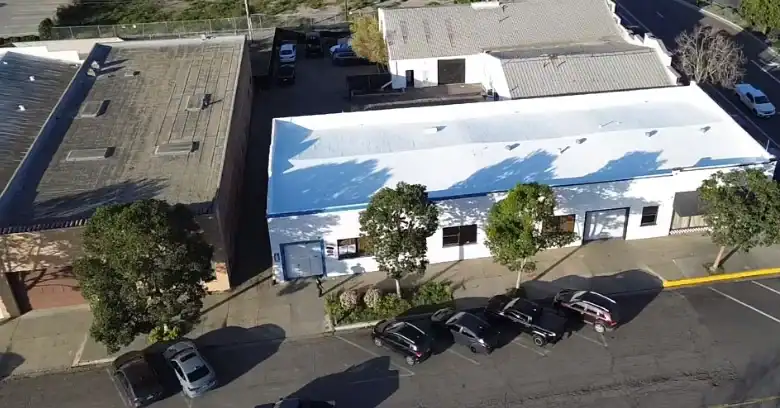
Need Flat Roofing Serving Guadalupe California?
Creative Roofing knows how a roof without a pitch is built, why it leaks and how to make it last, for properties in Guadalupe California and the towns around it.
Reach us at 805-723-2381 and tell us about the flat roof you have.
The Challenge of a Level Surface
A roof with barely any pitch is a different design problem from the ordinary sloped kind, and drainage is the central question. Careful work at the seams, edges and drains is what keeps one dry, and it pays to think it through.
Types of Flat Roofing
TPO and PVC are single-ply sheets that are welded at the seams with hot air, creating a continuous waterproof surface, so a damaged area can be fixed cleanly. A rubber roof is flexible and handles movement well, though seams and flashings need care, and the details are worth a closer look. Layered asphalt systems have been used for generations and are valued for redundancy, and the system is heavy compared with single-ply.
Seams, Edges and Where Leaks Start
A careful look at the details finds most of what is wrong, and shortcuts miss the trouble. Cracked sealant at the top of a wall flashing is one of the most common sources of leaks, and the work is simple for a roofer.
When Water Will Not Leave
Water that does not drain adds weight, breeds algae and ages the surface faster, and the first storm of the season shows the problems. Fixing the cause of ponding is better than repeatedly patching its effects, and it extends the life of the whole system.
Strong Sun on a Flat Surface
Heat makes a membrane expand during the day and shrink at night, and the movement stresses seams and fasteners. A white or reflective coating can lower the surface temperature and protect the membrane beneath, and that is worth keeping in mind.
Protecting the Surface From Wear
Every pipe, vent and curb through a flat roof is a place where the membrane has to be cut and sealed, and it pays to think it through. Tools, ladders and dropped objects can cut a sheet, so care is required, and a quick look after any service visit catches new damage.
Choosing How Far to Go
A skilled roofer can patch a membrane so that the repair outlasts the surrounding area, and photographs help. Testing for moisture shows what the roof can accept, and wet insulation rules out a quick fix. A new roof is also a chance to improve slope, drains and edges, so begin conversations before the leaks become urgent.
Residential Low-Slope Roofing
Plenty of ordinary houses have a flat or nearly flat section, whether it is a porch, a garage, a bay or the whole roof of a modern design, and a shingle crew may not be the right choice. A bead of caulk across that joint might hold for a season, but a proper counterflashing is the lasting answer, and fixing it properly takes some patience. Pavers, decking and planters laid over a membrane protect it from the sun but hide it from view, and the details are worth a closer look.
Energy and the Low-Slope Roof
Rigid insulation boards above or below the deck slow the passage of heat, and they matter more on a level roof than on any other type, and it is easy to overlook. Water that gets into the insulation layer spreads sideways, so the damp area can be much larger than the visible stain on the ceiling, and the map is a useful record.
Small Habits That Prevent Big Leaks
Drains, scuppers and gutters should be cleared first, since blocked outlets cause more damage than any other single fault, and that beats waiting. Branches, loose objects and windblown trash can cut a membrane or block a drain, and they should be removed promptly, and it pays to think it through.
Edges Take the Brunt
After a windy spell it is worth checking the perimeter from a ladder for loose trim, lifted seams and curling edges, and repairs should not wait for the next storm. Stones that have been scattered by wind or foot traffic leave bare patches that expose the membrane to ultraviolet light, and the gravel does a great deal of quiet work. Crowded rooftops with many pipes and units are slow to roof, because every obstacle needs its own flashing and sealing, so be there for the visit if you can.
Roof Penetrations, Skylights and Hatches
Skylights and roof hatches sit on raised curbs that are flashed into the membrane, and the quality of that flashing decides whether they leak, and that is worth keeping in mind. Gathering the pipes and conduits into fewer penetrations reduces the number of places where leaks can begin, so ask about consolidating them. A drain bowl that is sealed to the membrane with a clamping ring and sealant keeps water from creeping under the sheet at the outlet, and a blocked outlet loads a roof beyond its design.
Comparing Flat Roofing Proposals
A good proposal names the membrane, its thickness, the attachment method and the insulation to be used, and a careful contractor will explain every line. Ask how the crew will test the seams, how the old roof will be disposed of and how the interior will be protected, and trust the overall impression.
What to Expect on the Days of the Work
Most flat roof jobs on a house or small building take only a few days, though adhesives and torch work call for dry weather and some advance planning, so ask how the schedule will work.
Short Answers About Low-Slope Roofing
The idea that level roofs always give trouble comes from poorly detailed examples, because careful work on seams and drains makes a real difference, and the answers are usually more reassuring than expected.
Talk to Us About Your Flat Roof
Those comparing Flat Roofing in Guadalupe California can reach us by phone, with 805-723-2381 ready whenever you want to talk. There is no pressure in asking about a flat roof, and the roof will tell the story once someone looks.
Verified

Verified
Verified
Verified
Verified






















