
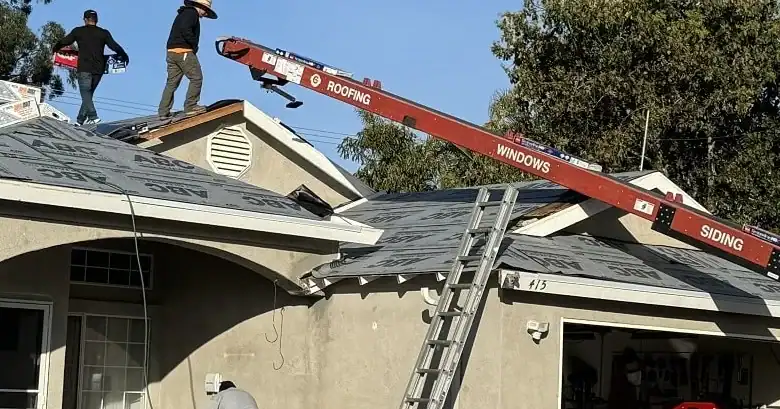
Thinking About New Roof Installation Serving Guadalupe California?
Creative Roofing covers each step of putting a new roof on a house, working in Guadalupe California and nearby.
Ring 805-723-2381 and we will talk through what the roof needs.
Starting Out Right
Before any material is chosen, the existing roof has to be understood, because the rest of the plan rests on the findings from that look. Loose granules, lifted edges, cracked flashing and soft spots all say something about the layers below, and the findings are worth asking to see.
Months of direct sun take a steady toll on whatever covers a house, and a little care goes a long way.
What Should Actually Be Done
Some roofs need a patch, some need a section redone, and some have reached the end of the road, and the reasons should be easy to follow. Damage should be shown rather than only described, and the answer tells you a lot.
When the decking underneath is damaged, the scope of the job grows, so a note on how it will be handled saves arguments later.
Matching the Covering to the House
Three families of material cover most residential roofs in this region, since heavy coverings need a frame built to carry them. Lighter colors reflect more of the summer sun, while darker ones soak it up, so hold a sample against the house in daylight.
When the Crew Can Work
For most of the year the weather here lets a roof go on with few interruptions, and it pays to think it through. On very hot afternoons shingles soften and workers slow down, and finishing early keeps people and materials in better shape.
Getting to a Clean Surface
Removal of the old material is where the project gets loud, and protecting the driveway and plants is worth asking about. Sound wood is the base everything else depends on, and it is easier to fix now than after the roof is finished.
What Goes Down First
The first layer laid over the deck is a barrier against moisture, and it is easy to overlook. Once the underlayment is down, the house is considered dried in, and rows are laid from the eave upward, each lapping the last.
Flashing and the Fiddly Parts
Wherever the roof surface stops, a metal detail has to take over, since worn metal under new material becomes the weak link. Pipe seals made of soft materials fail early in strong sun, and a little care goes a long way.
Attic Airflow
An attic under a hot roof can reach extreme temperatures in summer, and the details are worth a closer look. More vents are not always better, because intake and exhaust have to be balanced, and it is easy to overlook.
Finishing the Job
Once the roofing is done, the property has to be put back in order, and covers come off the landscaping and the beds are inspected. Photographs of the completed work are worth having for your own records, and it only takes a few minutes.
Permits and Paperwork
Depending on the town, a re-roof may need a permit before any material is ordered, and the answer should be clear from the start. Certain hillside and edge-of-town areas follow stricter material rules than the valley floor, and the proposal should reflect them. Vague wording on a proposal is a reason to ask questions, because what is written down is what everyone remembers.
Shielding Windows, Plants and Patios
A busy work site needs boundaries, and a careful crew sets them before the work begins. Moving vehicles out of range for the day is a simple precaution, and a short talk the evening before covers the details. Light fixtures and wall hangings can shift when a roof is being removed above them, and it is best done the night before.
Noise, Neighbors and Daily Life
The calendar for a job is set by the roof, not by the wish list, and plan on some slack for the weather. Roof work is loud, and the street will hear it, and most people are tolerant when they know what to expect. Working from home during a roof job is possible, though not always pleasant, and a plan for the loud days makes them easier.
What to Ask Every Roofer
Ask how the roof will be ventilated and how the flashing will be handled, and anything left vague deserves a follow-up. Product names and thicknesses on the proposal let you compare like with like, and take your time reading it. Surprises are normal, and a process for them is a sign of a well-run job, and the details are worth a closer look.
Caring for the Roof Once It Is Done
A roof needs less attention than most parts of a house, but it needs some, and the best times are before the rainy season and after the first big storm. Debris on the roof holds moisture and wears the surface, and that is worth keeping in mind. Early attention to a leak is almost always cheaper than late attention, and it is far easier to repair than to rebuild.
Timing a Roof Project Through the Year
Planning ahead usually gives better choices than reacting to an emergency, and the schedule fills quickly once the rains end. Winter work happens too, with crews watching the forecast closely, and a good roofer will explain the trade-offs.
What the Crew Sees Inside the House
Looking at the roof from inside the attic before the work begins reveals water stains, damp insulation and daylight where none should enter, and the findings can change the scope.
Ready When You Are
A call is the simplest way to begin planning work in Guadalupe California, and 805-723-2381 reaches the right person. Large or small, a roofing project goes best when the plan is clear before the work starts, and we are glad to talk through the options. A short conversation can turn a vague worry into a clear plan, and the next step becomes obvious.
Verified

Verified
Verified
Verified
Verified






















