
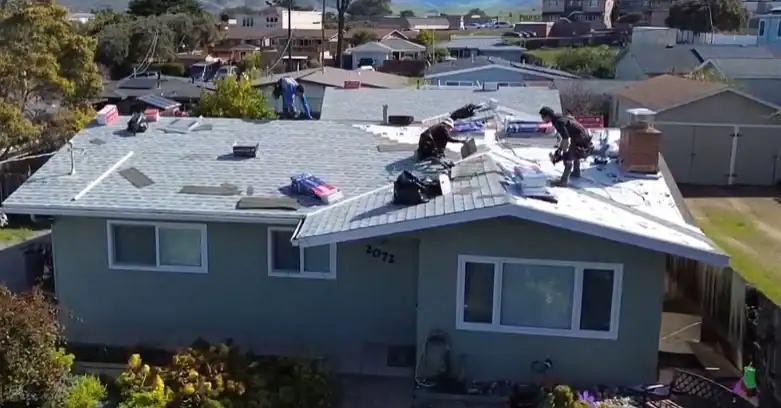
Planning Roofing Installation Around Guadalupe California?
Creative Roofing handles the planning, the tear-off and the cleanup of a roof job, from Guadalupe California out to the surrounding area.
Reach out at 805-723-2381 and we will talk through what the roof needs.
Where a Roofing Job Begins
Before any material is chosen, the existing roof has to be understood, and a rushed visit tends to cost more than it saves. A proper look covers the slopes seen from the yard and the ones that are not, and the findings are worth asking to see.
Heat is the quiet cause behind much of the wear seen on roofs here, and a little care goes a long way.
Repair, Patch or Replace
Some roofs need a patch, some need a section redone, and some have reached the end of the road, and an honest roofer will say which one applies. Findings that cannot be pointed to are findings worth questioning, because you are the one living under the result.
When the decking underneath is damaged, the scope of the job grows, and agreeing on the approach in advance beats debating it with the roof open.
Choosing Materials for Your Home
Three families of material cover most residential roofs in this region, but the framing and the slope decide more than preference does. Color deserves more thought than it usually gets, so hold a sample against the house in daylight.
When the Crew Can Work
Rain arrives in bursts, and a roof that is open when one comes needs protection, and temporary dry-in layers keep the house safe overnight. Crews often start early in summer to get ahead of the hottest hours, so the day usually begins at sunrise.
Removing the Old Roof
The existing covering is stripped away and the deck is left exposed for inspection, and debris goes into a bin or trailer rather than onto the lawn. Repairs to the deck happen now, before anything new is installed, since good materials laid over a weak deck do not last.
The Hidden Layers
The surface you see is only the outer layer of a roof, and metal edging is set at the eaves and rakes before the covering. Reaching this stage quickly is a sensible way to protect the interior, and rows are laid from the eave upward, each lapping the last.
Penetrations and Edges
Wherever the roof surface stops, a metal detail has to take over, and reusing old flashing under a new roof often comes back to bite. The seal around a vent pipe rarely lasts as long as the surface around it, so replacing them along with the roof removes a predictable problem.
Ventilation in a Warm Climate
A roof without enough ventilation bakes the attic and everything stored in it, and a proper system draws air in low and sends it out high. The design of the system matters more than the number of vents, and it is easy to overlook.
The Last Day on Site
A finished roof still leaves a yard full of scraps, nails and packaging, and that is part of the work, not an extra. Keeping a short record of the materials used helps with later maintenance, so keep the paperwork and pictures together.
Permits and Paperwork
Replacing a roof usually involves the local building department in some way, so it is fair to ask who pulls the permit. Wildfire concerns have changed what many local codes ask of a roof, so ask how the plan meets the rules for your street. The best paperwork leaves little room for misunderstanding, so compare any two side by side.
Protecting the House and Yard
The ground around a house takes a beating during a roof project, and plants and patio furniture are moved or covered. Pets, children and cars are best kept away from the work area, and keep a path clear for deliveries. The attic gets dusty during tear-off, and anything stored there will notice, and a little care goes a long way.
Disruption and How to Manage It
Most residential projects are finished within days, not weeks, and the crew should give you a realistic window. Informing nearby households is a courtesy that pays off, and it is easy to overlook. Household routines bend a little while the work is under way, and the noise settles once the old roof is gone.
What to Ask Every Roofer
A sensible first question is what exactly is included in the scope, and listen to how the answer is given. Ask for the materials by name and manufacturer so you can look them up, and it should be written on the proposal. Ask what happens if something unexpected turns up under the old roof, and you will have a clear record.
Looking After a New Roof
A roof that is never looked at tends to fail when it is least convenient, and little problems stay little. Debris on the roof holds moisture and wears the surface, and it also reduces fire risk in dry months. Missing pieces, lifted edges or a new stain are all reasons to have someone look, and a photograph helps explain what you saw.
Is There a Best Time for a New Roof
Booking early in the dry season leaves time to compare more than one proposal, and a little care goes a long way. Early fall is popular because the weather is still dry and the heat has eased, and the best season is often the one that fits your calendar.
Attic Findings That Change the Plan
Rust on the points of roofing nails and dark patches on the sheathing are signs that moisture has been present for some time, and it is easy to overlook.
Ready When You Are
A call is the simplest way to begin planning work in Guadalupe California, so use 805-723-2381 to talk through the roof and the next step. A modest repair and a full re-roof both begin with an honest look at the roof, and the roof will tell the story once someone looks. A short conversation can turn a vague worry into a clear plan, and it pays to think it through.
Verified

Verified
Verified
Verified
Verified






















