
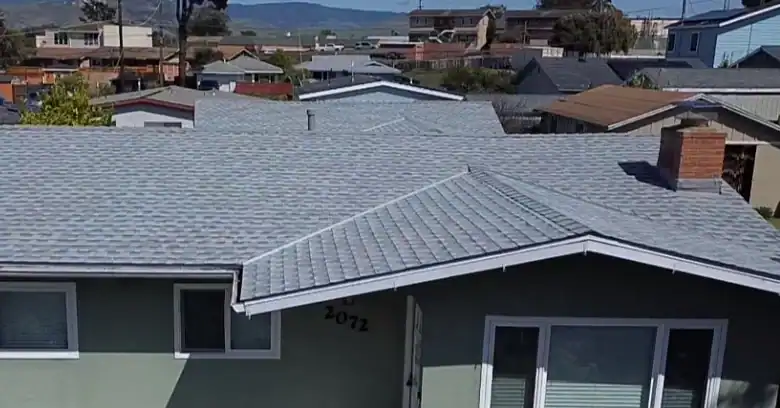
Planning Roofing Serving Guadalupe California?
Creative Roofing walks a household through every stage of a roofing project, for homes in Guadalupe California and the towns around it.
Ring 805-723-2381 and tell us what has you thinking about the roof.
Day One of a Roof Project
The first visit is about gathering facts rather than picking a product, since guessing from the ground leads to surprises later. Signs of wear on top often point to a moisture problem underneath, and that is the evidence a sensible plan is built on.
Long dry summers and strong sun leave their mark on nearly every roof in California, and a little care goes a long way.
Setting the Scope of Work
Some roofs need a patch, some need a section redone, and some have reached the end of the road, and the reasons should be easy to follow. Pictures of the trouble spots take the guesswork out of the decision, and a good roofer expects the question.
Hidden damage found during tear-off is the usual reason a project grows beyond its first outline, and agreeing on the approach in advance beats debating it with the roof open.
Shingle, Tile or Metal
The common choices are shingle, tile and metal, and each suits some houses better than others, since heavy coverings need a frame built to carry them. A roof that faces strong sun all afternoon behaves differently depending on its shade, and it pays to look at them at different times of day.
Planning for Rain and Heat
Rain arrives in bursts, and a roof that is open when one comes needs protection, and temporary dry-in layers keep the house safe overnight. On very hot afternoons shingles soften and workers slow down, and finishing early keeps people and materials in better shape.
What Happens on Demolition Day
Tear-off gives the first real view of the structure under the roof, so landscaping and windows are covered before the first piece comes up. The deck is checked, mended and made flat for the next layer, and it is easier to fix now than after the roof is finished.
The Hidden Layers
Underneath the visible covering sits a water-resistant layer that does much of the work, and valleys, eaves and penetrations get extra layers. Reaching this stage quickly is a sensible way to protect the interior, and rows are laid from the eave upward, each lapping the last.
Penetrations and Edges
Wherever the roof surface stops, a metal detail has to take over, since worn metal under new material becomes the weak link. Sun dries and cracks the flexible parts over time, and a little care goes a long way.
Air Under the Roof
Warm air trapped under the deck works on the roof from below, so vents near the ridge give the hot air a way out. Adding vents at random may do little more than cut holes in the roof, and it is easy to overlook.
Leaving the Property Clean
A finished roof still leaves a yard full of scraps, nails and packaging, and covers come off the landscaping and the beds are inspected. Photographs of the completed work are worth having for your own records, and it only takes a few minutes.
Local Rules and Paper Trails
Depending on the town, a re-roof may need a permit before any material is ordered, and a little care goes a long way. Certain hillside and edge-of-town areas follow stricter material rules than the valley floor, so ask how the plan meets the rules for your street. Written proposals should describe the materials, the scope and the cleanup in plain words, and it is worth reading it slowly.
Protecting the House and Yard
Heavy materials, ladders and falling pieces all share the space around the walls, so tarps and plywood go down where debris will land. Moving vehicles out of range for the day is a simple precaution, and it pays to think it through. Light fixtures and wall hangings can shift when a roof is being removed above them, and a sheet over stored boxes keeps the grit off.
The Few Days of Commotion
A new roof usually takes a few days for an average house, though weather and size change that, and nobody can promise a date through a rain delay. Informing nearby households is a courtesy that pays off, and early starts mean early noise. Household routines bend a little while the work is under way, and everything returns to normal once the crew packs up.
A Short List for Comparing Proposals
Ask what will be done with the old material and how the deck will be handled, and listen to how the answer is given. Knowing exactly what is going on the house removes a common source of disputes, and it should be written on the proposal. A change in scope should be written down and approved before the work continues, and you will have a clear record.
Small Habits That Extend Roof Life
Even a new roof benefits from an occasional look from the ground, and binoculars make the job easy. Keep the gutters clear of leaves and needles, especially at the end of the dry season, and it also reduces fire risk in dry months. Early attention to a leak is almost always cheaper than late attention, and a photograph helps explain what you saw.
When to Schedule the Work
A roof replaced on purpose goes better than one replaced in a panic, and a little care goes a long way. Winter work happens too, with crews watching the forecast closely, and a good roofer will explain the trade-offs.
Insulation, Ducts and Cables Under the Roof
Rust on the points of roofing nails and dark patches on the sheathing are signs that moisture has been present for some time, and it is easy to overlook.
Talk to Us About Your Roof
Sorting out Roofing in Guadalupe California is easier with someone who can look at the house, so use 805-723-2381 to talk through the roof and the next step. Whether the job is a small section or a whole house, the questions are much the same, and that is worth keeping in mind. The sooner the roof is looked at, the more choices you tend to have, so pick up the phone when you are ready.
Verified

Verified
Verified
Verified
Verified






















