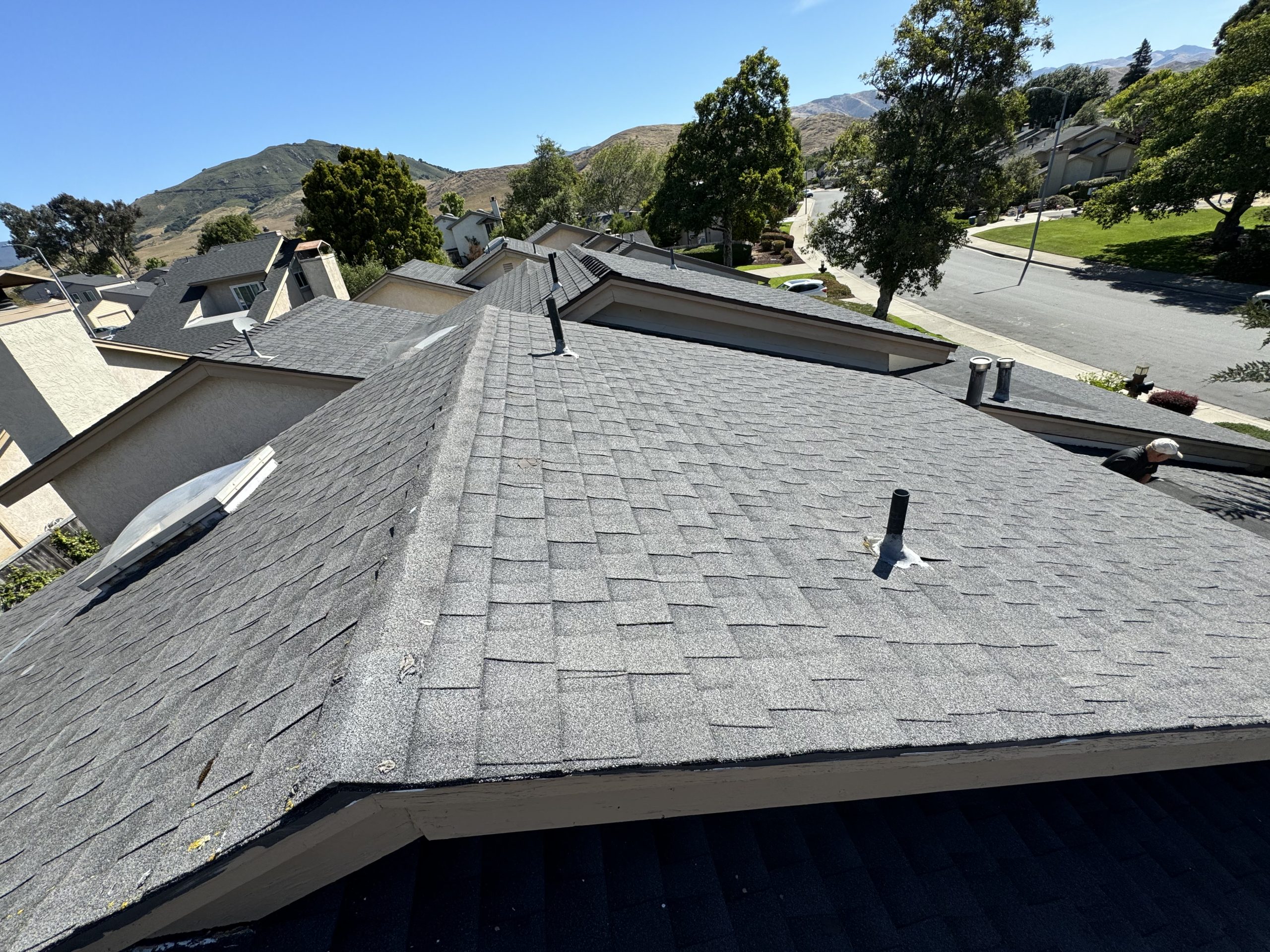
Shopping for Shingle Roof Installation Around Guadalupe California?
Creative Roofing handles shingle roofing from the first nail to the last ridge cap, for homes in Guadalupe California and the towns around it.
Call 805-723-2381 to talk through shingle styles and what suits the home.
Inside a Shingle
Each shingle is a thin sandwich of mat, asphalt and stone granules, and each part has a job to do. The granules do more than add color, because they shield the asphalt from ultraviolet light, and the granules end up in the gutters.
How Shingle Lines Differ
Flat shingles of this style are economical but wear out sooner than thicker kinds, and it remains a reasonable choice in some situations. Laminated shingles are thicker, heavier and more dimensional than flat strip shingles, and the difference shows in the finished roof. The top of the range offers the richest textures and the greatest thickness, and the added weight is a benefit in wind.
Heat Is the Slow Enemy
Months of direct sunshine take a toll that the eye picks up slowly, so those slopes make a useful gauge of overall condition. Cracks across the face open the way for water to reach the layers below, and it pays to think it through.
Color, Reflectivity and Cooling
Color is a practical decision as much as a matter of taste, so consider how the house sits in the sun. A reflective product can ease the burden on air conditioning, and the difference is most noticeable in the hottest months.
Nails, Courses and Starter Strips
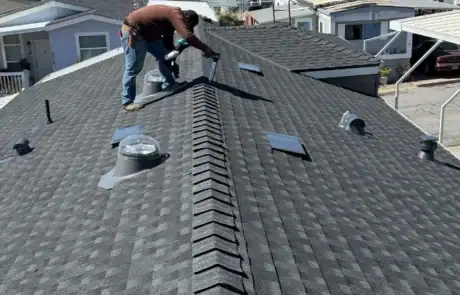
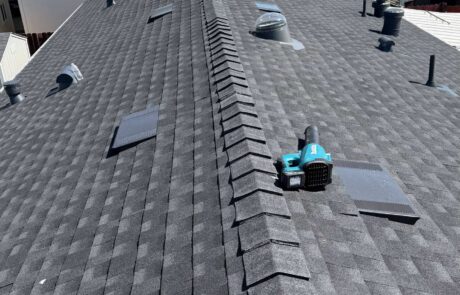
The nailing line printed on the shingle marks where fasteners must go for the best grip, and overdriven nails cut the mat and create weak spots. Offsetting the seams from row to row keeps leaks from lining up, so a good crew follows the layout exactly. Hips and ridges are capped with special pieces that bend over the peak and seal the top of the roof, and the ventilation opening below the cap should stay clear.
Holding Down Under Pressure
Seal strips need warmth to activate, which is why roofs installed in cool weather may take longer to bond, and a little care goes a long way. Wind rarely harms a well-sealed roof, but it finds every weak spot on an old one, and a pattern of lifting suggests the roof is aging.
Heat Trapped Below Shortens the Roof
A balanced system of intake and exhaust keeps the temperature under the roof closer to the air outside, and the plan should be part of the proposal. More vents is not better, and mixing types can short-circuit the flow, and that is worth keeping in mind.
Valleys, Walls and Pipes
Modern synthetic underlayments resist tearing and last better in strong sun, and it pays to think it through. An open valley shows a strip of metal, while a closed valley is covered with shingles, and a careful crew takes extra time at the details.
Signs of Wear and Choosing Repair or Replacement
Several signs together point to a roof that needs more than a patch, and a roofer can sort the serious from the cosmetic. Isolated problems from a branch or a loose tab respond well to a simple repair, and the key is an honest assessment. Matching old shingles is difficult, so large repairs often look patchy, and that is worth keeping in mind.
Stripping Down Before Building Up
Removing every old layer is the usual starting point, since it exposes the deck and shows whether anything underneath needs repair, and it pays to think it through. Putting a second layer on a tired roof can trap heat and moisture between the layers and shorten the life of both, and a second layer is difficult to remove later. Rotted boards and delaminated plywood are usually found around leaks, valleys and plumbing vents, and the cost of a few sheets is rarely large.
Keeping the Yard Safe During a Shingle Job
A shingle tear-off throws old material in every direction, so a careful crew covers plants, vents and the ground before the first piece comes off, and move vehicles and furniture the night before. Rolling magnets across the lawn, the driveway and the planting beds collects what a rake and the eye miss, and that is worth keeping in mind. Checking the gutters after the first big rain is a good habit, and it takes only a few minutes, and the new roof will thank you.
Timing a Shingle Replacement
A roof installed in warm weather bonds sooner than one finished in cool, damp conditions, and that early bond helps in wind, and flexibility makes scheduling easier. On a scorching day the surface of a roof becomes too hot to handle, and the asphalt softens enough to mark if walked on carelessly, and the details are worth a closer look.
Skylights, Chimneys and Solar Panels
Openings in a roof have a real effect on the quality and cost of a shingle project, and mention any plans to add more later. Anyone considering rooftop solar should have the age and condition of the shingles assessed first, and that is worth keeping in mind.
Matching Shingles After a Repair
A roofer can often borrow shingles from a hidden slope or the back of the house to repair a more visible area, which gives the best match, so ask the roofer what to expect.
The Edge Details That Finish a Shingle Roof
The roofline is where the roof and the rest of the house meet, and it deserves attention during any replacement, so look at them before the work starts.
Questions for a Shingle Roofer
A good proposal names the shingle line, the color, the underlayment and the flashing materials, and read them slowly. Ask how many layers of old roofing will be removed and how the deck will be inspected, and compare the replies from each company.
Next Steps for Your Roof
Anyone sorting out Shingle Roof Installation in Guadalupe California is one call away from a straight answer, and 805-723-2381 reaches someone who can help. Whether the roof is leaking now or you are planning ahead, an early conversation keeps your options open, and we are glad to help you sort it out.
Verified

Verified
Verified
Verified
Verified