
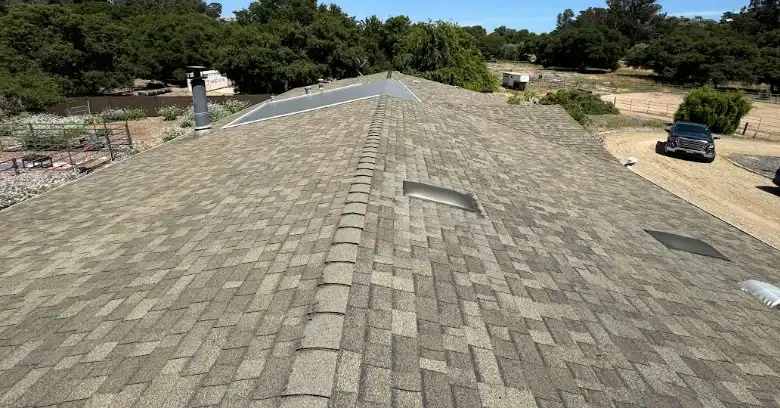
Choosing Architectural Shingle Roof Services in Lompoc California?
Creative Roofing lays asphalt, architectural and designer shingles over carefully prepared decks, throughout Lompoc California and the neighboring communities.
Phone 805-723-2381 to talk through shingle styles and what suits the home.
Inside a Shingle
Most roofs on houses here wear shingles built from a glass-fiber core with an asphalt skin, and the mat gives the piece its strength. The granules do more than add color, because they shield the asphalt from ultraviolet light, so a handful of grit in a downspout tells a story.
How Shingle Lines Differ
Flat shingles of this style are economical but wear out sooner than thicker kinds, so many homeowners compare it with thicker lines. Most new roofs on houses today use architectural shingles, which look richer and resist wind better, and the difference shows in the finished roof. Designer shingles are heavier and carefully styled to resemble natural slate or cedar, so the roof feels more substantial.
Sun, Heat and Aging
The sun does more to age a shingle roof in this region than any other force, and that is worth keeping in mind. Cracks across the face open the way for water to reach the layers below, and it pays to think it through.
Color, Reflectivity and Cooling
The color of a roof affects both its appearance and its temperature, and nearby roofs offer a useful preview. Some manufacturers offer cool-roof shingles with special granules that reflect more infrared light, and the actual benefit depends on the house.
The Craft Behind a Good Install
Fastening is the quiet detail that separates a durable roof from a poor one, and overdriven nails cut the mat and create weak spots. A starter strip along the eave and the rake gives the first course a sealed edge and extra grip, and that is worth keeping in mind. A properly installed ridge looks neat and stays tight against the weather, and replacing a ridge is simple when done in time.
How Shingles Resist Wind
The adhesive bond is what keeps tabs flat against the roof in a strong wind, and checking for lifted tabs after a windy spell is a good habit. Wind rarely harms a well-sealed roof, but it finds every weak spot on an old one, and a prompt repair prevents a leak.
Balanced Intake and Exhaust
A hot attic cooks the shingles from underneath, and the damage adds to what the sun does on top, so check that the soffit openings are not blocked by insulation. Blocking the soffit vents with insulation is a common mistake that undermines the whole system, and fixing ventilation is far easier during a re-roof.
The Details Beneath and Beside the Field
The underlayment is the water-resistant layer under the shingles that catches whatever gets past the surface, and the choice affects how the roof performs. Every pipe and vent through the deck needs a boot or collar that is sealed and replaced with the roof, and a careful crew takes extra time at the details.
Is It Time for a New Roof
Look for lines of shadow where shingles have lifted and for stains inside the house, and a roofer can sort the serious from the cosmetic. Repairing a small area costs far less than a full replacement when the surrounding roof is sound, and a good roofer will tell you when a repair is enough. A roof that is worn out everywhere will keep leaking in new places however many patches it gets, and choose the new shingles with care.
The Deck Decides What Happens Next
Down to bare wood is how a careful crew starts, because new shingles are only as sound as the surface they are nailed to, and it pays to think it through. A roof-over saves effort in the short run, yet it prevents any look at what the old roof has been hiding, so ask for both options in writing. Agreeing on how replacement boards are measured and charged prevents a dispute halfway through the job, and the cost of a few sheets is rarely large.
Keeping the Yard Safe During a Shingle Job
A shingle tear-off throws old material in every direction, so a careful crew covers plants, vents and the ground before the first piece comes off, and the crew returns it to normal when finished. Nails are the main hazard left behind after any roofing job, and a magnetic sweep of the yard and driveway is standard practice, and point out anything that was missed. Gutters should be cleared of granules and debris once the new roof is on, since the first rains will wash any leftovers into the downspouts, so make it part of the routine.
When to Schedule a New Roof
Timing a project well means picking a stretch of dry days and leaving some room for delays, and the busiest months fill up quickly. Heat is a normal part of summer roofing, and a good crew plans the day around it rather than fighting it, and patience pays off in the finished roof.
Rooftop Additions and Shingle Work
Each opening in a shingle roof needs flashing built in layers with the courses, and the work is easier when the roof is already open, so list everything on the roof when you ask for proposals. Solar panels bolted to a shingle roof have to be removed and reinstalled when the roof is replaced, so the two projects should be planned together, and that is worth keeping in mind.
Making a Repair Look Right
New shingles set into a sun-faded roof usually look a shade darker or brighter, and the contrast softens only after a season or two of weather, and a small color difference is not a defect.
Carrying Water Away From the House
A drip edge along the eave and the rake guides water into the gutter and keeps it from running behind the fascia, where it would rot the wood, and a little care goes a long way.
Getting Specific About the Product
A good proposal names the shingle line, the color, the underlayment and the flashing materials, and read them slowly. A roofer who explains the process clearly is usually one who follows it, and compare the replies from each company.
Next Steps for Your Roof
Anyone sorting out Architectural Shingle Roof Services in Lompoc California is one call away from a straight answer, so use 805-723-2381 to set up the next step. Calling before a problem becomes urgent makes it easier to compare materials and schedules, and the roof will tell the story once someone looks.
Verified

Verified
Verified
Verified
Verified






















