
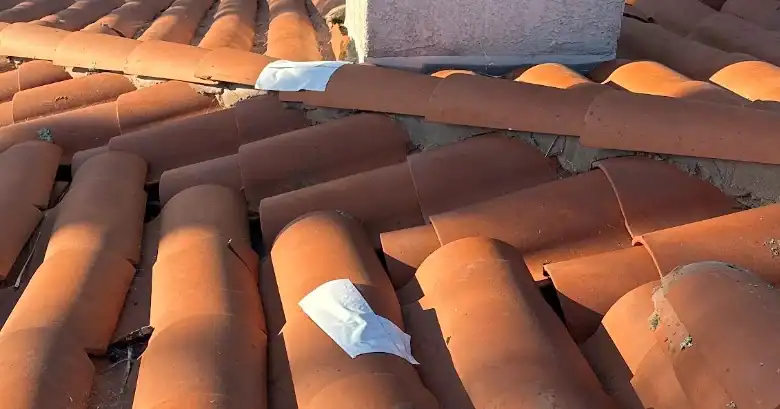
Weighing Clay Tile Roofing in Lompoc California?
Creative Roofing works with clay and concrete roofing units, from a single cracked piece to a full re-lay, for homes in Lompoc California and the towns around it.
Call 805-723-2381 and ask about the roof over your house.
A Heavy Covering With a Long History
Fired clay and molded concrete are the two materials used for the heavy, durable coverings found across the region, and the overlap lets water run off quickly. Each type comes in profiles from rounded barrels to flat slabs and interlocking shapes, and the look varies enormously.
Structure First, Style Second
Many houses built for tile are designed to carry it, while others would need reinforcement, and a sagging ridge is a sign of trouble. Adding weight without adding support invites cracks, sagging and even failure, so ask who will assess the framing.
What Sits Beneath the Pieces
Beneath the visible surface lies a waterproof membrane that does the hard work, and it ages in the heat trapped under the pieces. A roof can look perfect from the street and be failing underneath, and that is worth keeping in mind.
Sun, Heat and Dry Summers
Clay and concrete handle strong sun far better than lighter coverings, which is a large part of their appeal here, and it pays to think it through. Efflorescence, a white powdery bloom, can show on concrete units and is mostly cosmetic, and a roofer can tell the difference.
Cracks, Slips and Broken Pieces
Falling branches and windblown debris can also crack pieces in a storm, and waiting makes the repair more expensive. Roofers who work on fragile coverings place their feet on the lower part of the unit where it is supported, so ask for a check after other work is done.
Flashing, Valleys and Ridges
Flashing along walls, chimneys and skylights has to be formed and shaped by hand around each piece, and sealant alone is never a lasting answer. Dry-set ridge systems replace mortar with clips and are easier to maintain, and it deserves attention as the roof ages.
Wind, Fire and the Fastening Question
The method of attachment depends on the slope, the wind exposure and the local rules, and edges and ridges deserve the most attention. Keeping the roof and gutters clear of leaves and needles is part of staying safe, and the details are worth a closer look.
Repair, Re-Lay or Replace
A re-lay means lifting the units, replacing the underlayment and flashing, and setting the pieces back in place, and avoid roofers who recommend replacement without looking. Replacing the whole roof is the right call when the pieces themselves are failing, the framing is damaged or the style no longer suits the house, so it is a time to consider all the options.
Holding the Pieces Together
Modern installations often replace mortar with clips, screws or flexible adhesive that tolerate movement without failing, and the method should be named in the proposal. Replacing these strips during a re-lay is inexpensive, and it improves both fire resistance and cleanliness, and a good roofer checks them without being asked.
Washing, Sealing and Surface Care
Surface growth tends to be slower in dry summers, though shaded areas may still collect some, and the result can be striking. A professional cleaner will explain the method and protect the plants and walls below, and a post-cleaning inspection is a good idea.
Underlayment Choices and Upgrades
Heavy felt, synthetic sheets and self-adhering membranes are the common options, and they differ in heat resistance and tear strength, and a thoughtful answer is a good sign. Counter-battens add further airflow and reduce heat transfer into the attic, and the extra layer is inexpensive protection.
Working Around Obstacles
Special hooks and flashing kits exist for these roofs, and an installer who uses them keeps the surface watertight, and the decision deserves some planning. A roofer can place a few walkway planks or marked steps to protect the routes that others will use, and replacing a unit is far cheaper than repairing the leak. Clearing debris from valleys before the rainy season is the simplest way to protect the underlayment beneath them, and it is easy to overlook.
How the Two Kinds Differ
Cast from cement and sand, concrete units take their color from pigment in the mix or from a coating applied to the surface, so ask to see samples of both. Matching the profile to the style of the house is the first design decision, and it affects the cost and the installation method, and it pays to think it through.
What Should Be Written Down
A thorough proposal names the material, the underlayment, the flashing and the method of attachment, and compare two bids line by line. Questions about experience are reasonable, and the answers say a great deal, and keep notes to compare later.
From Lifting the Units to Setting Them Back
Work in stages keeps the house covered at the end of every day, so that a sudden rain does not find an open roof, and the whole process takes patience.
Seasonal Readiness for a Tile Roof
Trimming branches back from the roof and keeping a clear margin around the house reduces the risk to the roof and the building, so make it part of the late-summer routine.
Documenting the Work for the Future
Passing these records to the next owner of the house adds real value and saves them a good deal of guesswork, so ask the roofer for copies.
Next Steps for Your Roof
People researching Clay Tile Roofing in Lompoc California are welcome to call with questions, so dial 805-723-2381 when it suits you. Whether the roof is leaking now or you are planning ahead, an early conversation keeps your options open, and a little care goes a long way.
Verified

Verified
Verified
Verified
Verified






















