
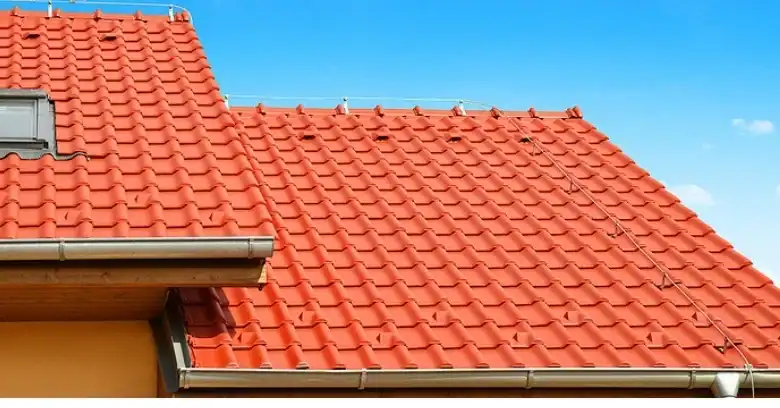
Researching Clay Tile Roofs Throughout Lompoc California?
Creative Roofing works with clay and concrete roofing units, from a single cracked piece to a full re-lay, throughout Lompoc California and the neighboring communities.
Phone 805-723-2381 and describe the roof and what you are seeing.
Basics of a Roof Built From Individual Pieces
Every piece is shaped to channel water downhill and over the piece below, and the real waterproofing sits underneath. Natural clay holds its color for a very long time, while concrete may need more attention to its finish, and it pays to think it through.
Heavy Roofs Need a Sound Structure
The framing is the foundation of any heavy roof, and it should happen before materials are ordered. A house that was built for shingles may not be safe under a full load of concrete, so ask who will assess the framing.
Underlayment Is the Real Waterproofing
The units shed most of the rain, but the underlayment beneath is the layer that actually keeps the house dry, and a membrane that has dried out is a common reason for leaks. Sun and heat trapped under the units bake the underlayment for years, until it dries, cracks and fails, so ask what product will go under the units.
Dry Climate, Durable Roof
Clay and concrete handle strong sun far better than lighter coverings, which is a large part of their appeal here, and the color stays true for decades. A gentle wash and a clear sealer can refresh the appearance of an older roof, so ask before assuming the roof is failing.
Cracks, Slips and Broken Pieces
Broken pieces are the most common problem on a roof of this kind, and they usually come from foot traffic, and waiting makes the repair more expensive. Roofers who work on fragile coverings place their feet on the lower part of the unit where it is supported, and a good roofer will always carry a supply.
Hand-Shaped Metal and Mortar
Metal flashing and sealant protect these joints, and both age in strong sun, and that is worth keeping in mind. Dry-set ridge systems replace mortar with clips and are easier to maintain, and it deserves attention as the roof ages.
Wind, Fire and the Fastening Question
Nails, clips and foam adhesive are the common ways to secure units to the roof, and the attachment method should be in the proposal. Embers do not ignite the pieces, though they can still collect in gaps and under the edges, so ask how gaps will be kept closed.
Matching the Work to the Condition
Re-laying saves the cost of new material and keeps the original look of the house, and avoid roofers who recommend replacement without looking. Replacing the whole roof is the right call when the pieces themselves are failing, the framing is damaged or the style no longer suits the house, and the new material can be a different type.
Adhesives, Clips and Mortar
Foam adhesives are widely used to secure units, particularly in areas where wind is a concern, because they bond quickly and resist uplift, and it pays to think it through. Replacing these strips during a re-lay is inexpensive, and it improves both fire resistance and cleanliness, and a little care goes a long way.
Looking After the Appearance
Surface growth tends to be slower in dry summers, though shaded areas may still collect some, and the details are worth a closer look. High pressure is the wrong tool for a roof made of individual pieces, because the water is driven uphill under the laps, and the roof will look and perform better.
A Better Base for a Long-Lived Roof
The underlayment is the part of a roof of this kind that owners cannot see and roofers can easily skimp on, so it deserves specific attention in a proposal, and why. Combining a sturdy base layer with extra protection at critical points gives a roof two lines of defense, so look for it in the proposal.
Penetrations Through Fragile Surfaces
Each penetration through the covering is a place where a unit must be cut, and cut pieces are more likely to crack later, and a little care goes a long way. A roofer can place a few walkway planks or marked steps to protect the routes that others will use, and replacing a unit is far cheaper than repairing the leak. Clearing debris from valleys before the rainy season is the simplest way to protect the underlayment beneath them, so make valleys the first stop on any check.
Weighing Clay Against Concrete
Clay units are fired at high temperature, and their color runs all the way through, so a chip or scratch does not show a different shade beneath, and the difference shows up in the details. Samples of full-size pieces on a roof model show more than a catalog photograph ever can, and take your time with the choice.
Getting Specific About a Heavy Roof
A proposal that only says re-lay the roof does not tell you enough, so ask for them before signing. Find out whether the crew has experience on heavy roofs and can show examples of finished work, and keep notes to compare later.
What Happens on Site
Each section of the roof is stripped down to the underlayment, repaired and covered with fresh waterproofing before the units go back, and it is easy to overlook.
Preparing for Dry Winds and Embers
Pieces that are cracked or slipped leave gaps, and in a region with wildfire season, gaps are where embers find a way into the roof, so make it part of the late-summer routine.
What to Save After a Restoration
Passing these records to the next owner of the house adds real value and saves them a good deal of guesswork, and it pays to think it through.
Tell Us What You Are Seeing
A conversation about Clay Tile Roofs in Lompoc California usually starts with the age and condition of the roof, with 805-723-2381 ready whenever you want to talk. Planning ahead usually leads to better choices than reacting to an emergency, and the roof will tell the story once someone looks.
Verified

Verified
Verified
Verified
Verified






















