
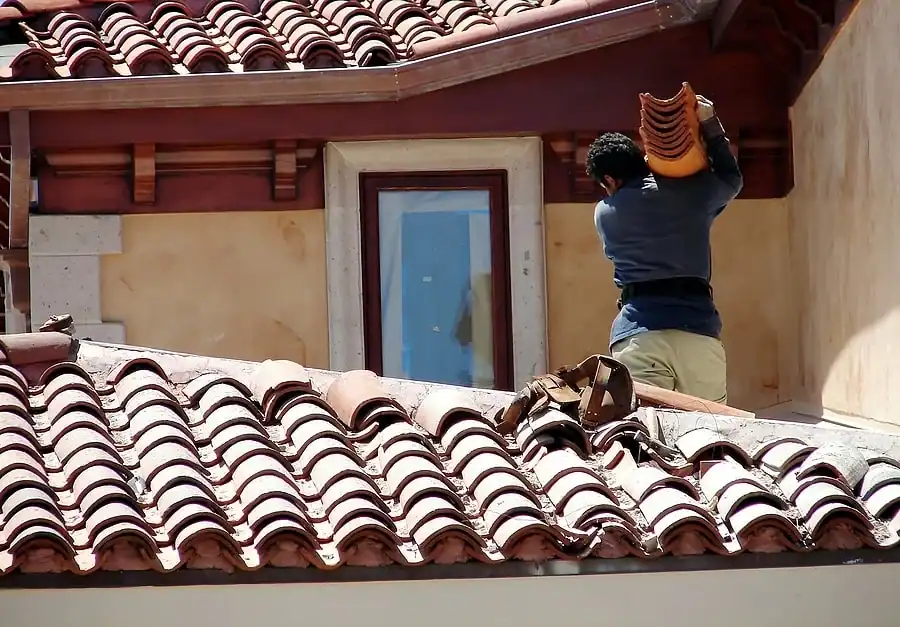
Ready for Concrete Tile Roofer Contractors Around Lompoc California?
Creative Roofing installs, repairs and re-sets the heavy, long-lived coverings found on many homes in the region, throughout Lompoc California and the neighboring communities.
Call 805-723-2381 to set up a visit to look at your roof.
What Makes a Roof Out of Fired Clay or Molded Concrete Different
Every piece is shaped to channel water downhill and over the piece below, and the overlap lets water run off quickly. Concrete units are molded from cement and sand and colored through the body or on the surface, and the look varies enormously.
Heavy Roofs Need a Sound Structure
Heavy coverings put real stress on rafters, trusses and walls, which is why the structure is checked first, and an engineer may be involved in a conversion. Rotted rafters or sheathing must be repaired before heavy material goes back on, and a careful contractor raises the issue unprompted.
Felt, Membranes and Battens
The membrane is out of sight, which is why it is easy to forget, and a re-lay is the chance to replace it. Modern synthetic and self-adhering underlayments last longer under high temperatures, and high-temperature types are worth the small extra cost.
How Heat Behaves Under the Pieces
Clay and concrete handle strong sun far better than lighter coverings, which is a large part of their appeal here, and it pays to think it through. Efflorescence, a white powdery bloom, can show on concrete units and is mostly cosmetic, and it fades or washes off with time.
Cracks, Slips and Broken Pieces
Broken pieces are the most common problem on a roof of this kind, and they usually come from foot traffic, and waiting makes the repair more expensive. Asking other trades to avoid walking on the roof prevents a lot of broken pieces, so ask for a check after other work is done.
Flashing, Valleys and Ridges
Flashing along walls, chimneys and skylights has to be formed and shaped by hand around each piece, so look at how the work is finished. Dry-set ridge systems replace mortar with clips and are easier to maintain, so look for loose or missing cap pieces.
Wildfire Season and Fire Resistance
Though heavy, individual pieces must be fastened properly or they can slide or lift in strong gusts, and local rules in windy areas may require specific fastening. Clay and concrete are noncombustible, which is a strong advantage in a region with wildfire seasons, and local rules may set requirements for roof assemblies.
Repair, Re-Lay or Replace
Many of these roofs are restored two or three times over the life of the building, and it is easy to overlook. Replacing the whole roof is the right call when the pieces themselves are failing, the framing is damaged or the style no longer suits the house, so it is a time to consider all the options.
How Units Are Bedded and Secured
Cement bedding has been the traditional method for capping a ridge, but it is rigid and breaks as the roof flexes with temperature, and the method should be named in the proposal. Replacing these strips during a re-lay is inexpensive, and it improves both fire resistance and cleanliness, and a little care goes a long way.
Looking After the Appearance
Cleaning should be done carefully by someone who knows the material, since walking on the roof is a risk to the units themselves, and a sealer can slow the return of stains. A professional cleaner will explain the method and protect the plants and walls below, and a post-cleaning inspection is a good idea.
Selecting the Layer Beneath
Heavy felt, synthetic sheets and self-adhering membranes are the common options, and they differ in heat resistance and tear strength, and the choice should be in writing. A sticky rubberized sheet seals around fasteners and clings to the deck, providing waterproofing even if the surface layer is breached, and it adds only modestly to the cost.
Solar Panels, Skylights and Heavy Roofs
Each penetration through the covering is a place where a unit must be cut, and cut pieces are more likely to crack later, and the answer should be written down. Telling every visitor about the fragility of the surface prevents a surprising amount of damage, and replacing a unit is far cheaper than repairing the leak. Metal valley liners should be inspected for rust, pinholes and loose edges, since they carry more water than any other part of the roof, and the dry season is the time to do it.
Choosing Between Clay and Concrete
Between the two, concrete is usually the more economical, while clay is prized for its authentic look and its long record of service, and the difference shows up in the details. Matching the profile to the style of the house is the first design decision, and it affects the cost and the installation method, so hold them against the house.
Questions Worth Asking
The written scope should say whether the existing units will be reused and who will supply replacements, so ask for them before signing. Ask how the crew will handle the pieces, where they will be stored and how breakage will be managed, and keep notes to compare later.
Stages of a Careful Re-Lay
Work in stages keeps the house covered at the end of every day, so that a sudden rain does not find an open roof, and the crew has to be careful with every piece.
What to Do Before Summer Ends
Closure strips at the eaves and the ridge keep embers and animals out of the space beneath the units, so make it part of the late-summer routine.
Records, Photographs and Spare Pieces
Photographs taken during the work show what lies under the units, which is a view that nobody sees again for decades, and store them with the house papers.
Tell Us What You Are Seeing
Anyone sorting out Concrete Tile Roofer Contractors in Lompoc California is one call away from a straight answer, so dial 805-723-2381 when it suits you. There is no pressure in asking about your roof, and the first step is just a phone call.
Verified

Verified
Verified
Verified
Verified






















