
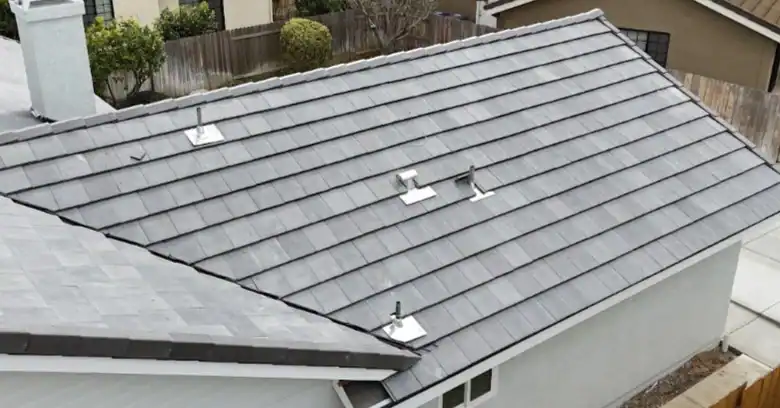
Ready for Concrete Tile Roofs for a Home in Lompoc California?
Creative Roofing works with clay and concrete roofing units, from a single cracked piece to a full re-lay, for homes in Lompoc California and the towns around it.
Reach us at 805-723-2381 to talk through what a tile roof needs.
Clay and Concrete Units in Plain Terms
Every piece is shaped to channel water downhill and over the piece below, and the system works only when every piece is in place. Natural clay holds its color for a very long time, while concrete may need more attention to its finish, so samples help with the choice.
Load and Support
A concrete or clay roof weighs several times more than a shingle roof, so the framing has to be up to the load, and a little care goes a long way. A house that was built for shingles may not be safe under a full load of concrete, and the cost of that work belongs in the plan.
Why Leaks Start Below the Surface
Water gets under the pieces during wind-driven rain, and the underlayment carries it down and out, so even a good surface can hide a tired layer. The felt paper on older roofs becomes brittle and breaks when the pieces are lifted, and that is worth keeping in mind.
How Heat Behaves Under the Pieces
Long dry summers are easy on the material itself, though the layers underneath age in the heat, and the weight helps with wind as well. Moss and lichen are less of a problem in dry summers, though shaded areas may collect some, and it fades or washes off with time.
What Goes Wrong on the Surface
Slipped pieces that have shifted out of line leave gaps that rain can reach, so a close inspection from the roof is the only reliable method. Satellite installers, painters and gutter cleaners are common causes of damage, and the cost of a few replacements is small.
Flashing, Valleys and Ridges
Flashing along walls, chimneys and skylights has to be formed and shaped by hand around each piece, and metal valleys should be replaced during a re-lay. Repointing or replacing the ridge bedding is a routine part of keeping the roof in good shape, and it pays to think it through.
Holding Heavy Pieces in Place
The method of attachment depends on the slope, the wind exposure and the local rules, and edges and ridges deserve the most attention. A tight installation with proper closures resists embers better than a loose one, and local rules may set requirements for roof assemblies.
Options for a Tired Roof
The decision depends on how many pieces are cracked and how the underlayment is holding up, so ask for an assessment of the underlayment. Replacing the covering gives the chance to upgrade the structure, the ventilation and the details, so it is a time to consider all the options.
Ridge Bedding and Edge Details
Modern installations often replace mortar with clips, screws or flexible adhesive that tolerate movement without failing, and it pays to think it through. Eave closures and bird stops fill the gap beneath the lowest course, keeping out birds, rodents, leaves and windblown embers, and a good roofer checks them without being asked.
Washing, Sealing and Surface Care
Cleaning should be done carefully by someone who knows the material, since walking on the roof is a risk to the units themselves, and a sealer can slow the return of stains. Soft washing with a mild solution and a gentle rinse removes growth without harming the surface, so combine the two visits.
Felt, Synthetic and Self-Adhering Options
Heavy felt, synthetic sheets and self-adhering membranes are the common options, and they differ in heat resistance and tear strength, and that is worth keeping in mind. Self-adhering membrane is often used in valleys, around penetrations and along the eaves, where leaks are most likely to begin, and the extra layer is inexpensive protection.
Rooftop Additions on a Roof of Many Pieces
Special hooks and flashing kits exist for these roofs, and an installer who uses them keeps the surface watertight, and ask who is responsible for the seals. Service technicians for air conditioning and chimney sweeps should be told to step only where the roof can bear a person, and a short sign near the hatch helps. A valley that is clogged with leaves and needles can send water sideways under the units, which they are not designed to handle, and it is easy to overlook.
Picking the Right Unit for the House
Natural clay generally keeps its color for a very long time, while a coated concrete surface can fade or chalk and may need refreshing, and the better choice depends on the house and the budget. Flat profiles give a contemporary look and are often used on modern houses, while barrel shapes suit traditional architecture, so hold them against the house.
Questions Worth Asking
The written scope should say whether the existing units will be reused and who will supply replacements, and the details are what you are really buying. Ask how the structure will be checked and what happens if damage is found, and keep notes to compare later.
What Happens on Site
A re-lay begins with the units being lifted in sections, stacked carefully and sorted so that sound pieces are kept and broken ones are set aside for replacement, and the whole process takes patience.
What to Do Before Summer Ends
Pieces that are cracked or slipped leave gaps, and in a region with wildfire season, gaps are where embers find a way into the roof, so make it part of the late-summer routine.
Documenting the Work for the Future
A note of the underlayment type, the flashing metal and the fastening method helps any roofer who works on the roof later, and store them with the house papers.
Ready to Look at Options
Those comparing Concrete Tile Roofs in Lompoc California can reach us by phone, and 805-723-2381 reaches someone who can help. Calling before a problem becomes urgent makes it easier to compare materials and schedules, and a little care goes a long way.
Verified

Verified
Verified
Verified
Verified






















