
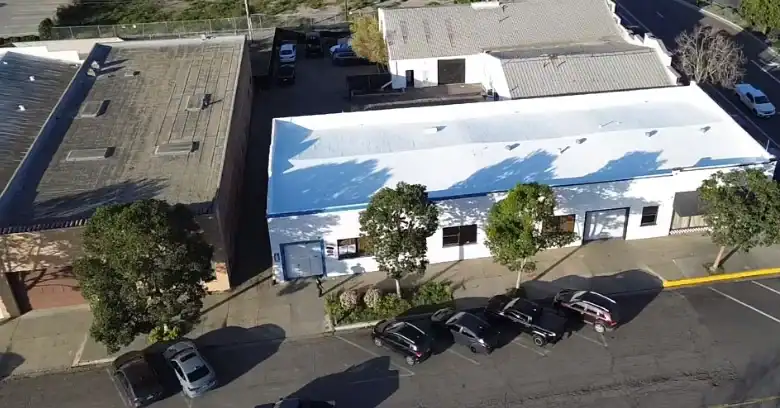
Looking Into Flat Roofing Around Lompoc California?
Creative Roofing handles the seams, drains and edges where a flat roof succeeds or fails, for properties in Lompoc California and the towns around it.
Dial 805-723-2381 to talk through repair, coating or replacement.
Roofs That Do Not Shed Water by Themselves
Low-slope roofs rely on a continuous waterproof skin because gravity does little to clear the surface, and that is worth keeping in mind. Because water stays on the surface, small flaws that a pitched roof would forgive become leaks on a flat one, and it pays to think it through.
Types of Flat Roofing
White single-ply membranes reflect sunlight and help keep the building cooler, and the quality of the welds is the main concern. Black EPDM absorbs heat, while a white version reflects more of the sun, and punctures can be patched with the same materials. The multiple plies mean that a flaw in one layer is backed up by the next, and repairs can be made in place.
Seams, Edges and Where Leaks Start
A careful look at the details finds most of what is wrong, and that is worth keeping in mind. Termination bars and sealant hold the top edge of the membrane against the wall, and redoing sealant is routine upkeep.
Ponding, Drains and Rain Bursts
Puddles that remain a day or two after rain signal that water is not leaving the roof as it should, and a little care goes a long way. Tapered insulation or added crickets can create the slope that a level roof lacks, so ask for a plan to improve drainage.
Sun, Heat and Reflective Surfaces
Ultraviolet light and heat are the main forces that age the surface of a low-slope roof in this region, and it is easy to overlook. Silicone, acrylic and elastomeric coatings are the main families used on flat roofs, and that is worth keeping in mind.
What Happens Around Machinery
Skylights and hatches add edges that need careful flashing, and the sealant at each one ages in the sun. Walkway pads cost little and save the membrane from scuffing and punctures, and a quick look after any service visit catches new damage.
Choosing How Far to Go
A skilled roofer can patch a membrane so that the repair outlasts the surrounding area, and temporary fixes should be called what they are. Adding a new membrane over an existing one is possible in some cases and saves removal costs, so be cautious of any bid that skips the testing. Replacing wet insulation restores the performance of the roof and the comfort of the rooms below, and it should be planned rather than rushed.
Small Flat Roofs With Big Responsibilities
Plenty of ordinary houses have a flat or nearly flat section, whether it is a porch, a garage, a bay or the whole roof of a modern design, so ask whether the company handles low-slope work regularly. A low roof meeting a taller wall is among the most leak-prone details on a house, and it deserves close attention, and fixing it properly takes some patience. Pavers, decking and planters laid over a membrane protect it from the sun but hide it from view, and ask about drains and overflows.
Energy and the Low-Slope Roof
Because there is often little or no open space under the deck, heat from a hot summer day passes quickly into the rooms below unless the roof is well insulated, and the combination is worth planning. Replacing only the saturated sections can restore performance while leaving the dry parts in place, and be skeptical of a bid that skips it.
A Simple Maintenance Calendar
Photographs taken each year create a record that makes changes easy to see, and that beats waiting. Branches, loose objects and windblown trash can cut a membrane or block a drain, and they should be removed promptly, and cover furniture beneath a drip.
Holding a Membrane Down in a Gust
Seasonal gusts pull hardest at the perimeter of a low-slope roof, so the fastening pattern is tighter along the edges than in the middle of the field, and expect a specific answer. Ballasted roofs hold the membrane down with a layer of smooth stone or pavers instead of glue or fasteners, and the weight is part of the design, and the details are worth a closer look. Surprises about extra details are the most common cause of disagreement over flat roof bids, and it is easy to overlook.
Skylights, Hatches and Vents on a Level Roof
Skylights and roof hatches sit on raised curbs that are flashed into the membrane, and the quality of that flashing decides whether they leak, and loose sealant around a frame is a warning sign. The seal around a pipe on a low-slope roof has to be formed to match the membrane, because a generic rubber boot will not bond to every type, so ask about consolidating them. Keeping every outlet clear and in good repair is the most important single habit of flat roof care, and a quick look takes only a minute.
Comparing Flat Roofing Proposals
A bid that only says new flat roof does not tell you what you are buying, and it lets you compare two bids fairly. Find out how drainage will be addressed and whether tapered insulation is included, and it is easy to overlook.
Keeping Disruption Small
Removing items from the roof, such as furniture and planters, saves time and prevents damage on the day the work begins, and a short conversation beforehand covers the details.
Questions Owners Often Ask About Level Roofs
A roof with no visible slope is not necessarily failing, since most are designed with a gentle fall toward the drains, and bring photographs if you have them.
Next Steps for Your Roof
Anyone sorting out Flat Roofing in Lompoc California is one call away from a straight answer, so use 805-723-2381 to set up the next step. Planning ahead usually leads to better choices than reacting to an emergency, and the roof will tell the story once someone looks.
Verified

Verified
Verified
Verified
Verified






















