Getting a Handle on Gutter Installation Services Around Lompoc California?
Creative Roofing explains how gutters, downspouts and drainage work together to protect a house, across Lompoc California and the nearby communities.
Dial 805-723-2381 to talk about where the rain goes at your house.
A Roof Without a Drainage Plan
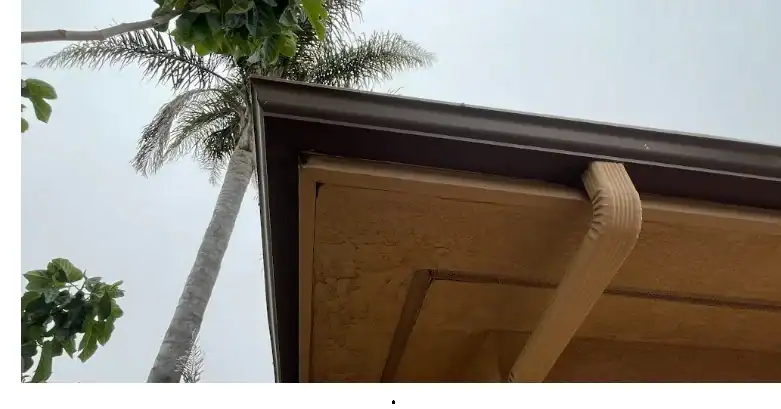
A single heavy storm can send hundreds of gallons off an average roof in a short time, which is why a roof needs a way to hand the water off. Gutters gather the runoff along the eave and send it to downspouts, which carry it to the ground, and a well-placed outlet saves a flowerbed and a foundation. Downspouts, elbows and outlets make up the other half of the system, which makes the roofline worth a regular glance.
The Jobs a Gutter System Performs
A wall that stays dry holds its paint longer and resists staining and rot, and the savings show up around the whole property. Painted trim lasts longer when it is not wet every time it rains, and the whole property benefits. Crawlspaces and basements are most at risk when runoff is allowed to collect close to the walls, so the end of the pipe deserves attention.
Winter Storms After a Long Dry Spell
Rain here arrives in a short season, often in heavy bursts after months of dry weather, and clogged troughs overflow when the water is heaviest. Fine debris behaves differently from leaves, and it takes different habits to manage, which is why local conditions matter. Wind strips branches and fills gutters overnight, so a clean gutter in the morning may be full by evening, and a look from the ladder tells more than a calendar.
The Case for Regular Cleaning
Once a trough fills with debris it stops moving water and starts holding it against the house, and a clogged gutter is a problem on its own and a cause of other problems. A proper cleaning is a short list of tasks: scoop, flush, inspect and haul away, and a short job done well beats a long job done in a rush. Debris that has sat for a season can be wet at the bottom and dry on top, so scoop carefully, and the bottom layer is the heaviest. Safety on a ladder deserves respect, since gutter work is a common source of falls, and a helper to steady the ladder is worth having.
Wildfire Season and Gutter Debris
Clearing gutters before fire season is a recommendation that fire agencies repeat every year, so add it to the list of seasonal tasks. Any cover needs to be checked and brushed clear, because a covered gutter can clog from the top, so combine covers with routine checks.
Choosing a System for the House
Gutters come in several profiles, with half-round and K-style the most common on houses, and the right size depends on the roof area and the way it drains. Custom bends and corners are possible, though each one adds a joint that has to stay sealed, and big roofs reward a bigger system. Copper ages gracefully and lasts a long time, though it is a premium material, and the best material is the one that fits the house and the climate.
Slope, Hangers and Downspouts
Hangers support the trough at regular intervals, and wider spacing leaves the gutter sagging between them, and uneven spacing is a common reason for failure. Pooling water in a flat trough leaves marks inside the gutter that show where the slope fails, and a level confirms the suspicion. Joints and corners are where a gutter is most likely to leak, so they get the most care, and a missing piece can send water behind the trough.
Where the Pipe Ends Matters
Splash blocks spread the flow so it does not dig a hole, and extensions carry it further, and the end point is easy to change. The best discharge point is a place where water can disperse harmlessly, and a few extra feet make a big difference. Water can be put to good use if it is directed on purpose, so a rain barrel is a nice way to use the water. Dry creek beds and gravel channels carry water across a yard without erosion, and a hose spigot makes the water easy to use.
Warning Signs You Can Spot From the Yard
A trough that sags, pulls away from the roof or leans out from the wall needs prompt attention, and a few minutes of watching can save a lot of repairs. A gutter that fills and does not empty in the minutes after rain has a slope or a blockage problem, and the cause may be a clog or a lack of outlets. Check each downspout with a hand under the outlet to feel whether the flow is steady, and the notes make the repair visit shorter. Trouble below the gutter line, such as stained siding, usually traces back to the gutter above, and the roofer can inspect both the roof and the trough in one visit.
Right-Sizing the Work
Many gutter problems are small, local and cheap to correct if they are caught early, and the condition of the fascia often decides the answer. Gutters pulled loose by a fallen branch or ladder often leave hidden damage behind, and fresh wood gives the hardware something to grip. Choosing between a patch and a new piece depends on how sound the metal is, and the newer piece should match the profile. When a roof is replaced, it is the right time to look at the gutters too, since they are already exposed, so include the gutters in the plan from the start.
Planning Your Drainage
Working out Gutter Installation Services in Lompoc California is easier when someone can see how the water moves around the property, so dial 805-723-2381 to get started. You do not need to know the technical terms, because plain descriptions work well, and it is a good first step. Rain is a fact of life here, and a short season makes it easy to forget about drainage until the first storm, and the next rain is a good deadline. A seasonal habit of checking the roofline, the downspouts and the ground below covers nearly every risk, and it is better to see it for yourself. A roof that has a sound edge and a runoff plan tends to age better than one without, and the conversation takes only a few minutes.
Verified

Verified
Verified
Verified
Verified