
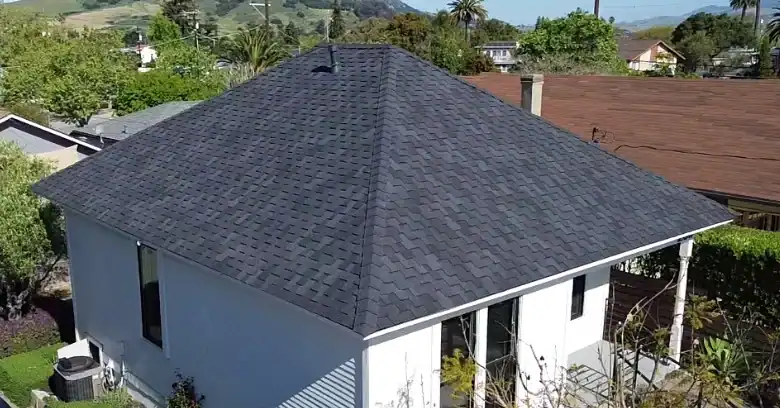
Choosing Luxury Shingle Roofing in Lompoc California?
Creative Roofing installs and repairs the shingle coverings found on most houses in the area, across Lompoc California and nearby.
Phone 805-723-2381 and ask about a shingle roof for your house.
Inside a Shingle
An asphalt shingle is a fiberglass mat soaked in asphalt and covered with ceramic-coated granules, and the mat gives the piece its strength. Stone granules reflect part of the sun and keep the asphalt from baking, and the process only gets faster over time.
How Shingle Lines Differ
A three-tab shingle has a flat, uniform look and the thinnest profile of any common type, and the saving is real but so is the shorter life. Most new roofs on houses today use architectural shingles, which look richer and resist wind better, and the difference shows in the finished roof. Higher grades cost more, and the look is the main reason to pay for them, and the added weight is a benefit in wind.
Heat Is the Slow Enemy
Hot weather and strong sun dry the oils in asphalt, leaving the surface stiff and brittle, and the shaded side tells a different story. Cracks across the face open the way for water to reach the layers below, and the pattern across the roof shows how far the wear has gone.
Color, Reflectivity and Cooling
Lighter shingles reflect more of the summer sun and keep the roof surface cooler, and a sample held up outdoors shows the shade truthfully. A reflective product can ease the burden on air conditioning, so ask for the product details and the rating.
The Craft Behind a Good Install
The number and position of nails are set by the manufacturer for a reason, and check that they are driven flush. A starter strip along the eave and the rake gives the first course a sealed edge and extra grip, and crooked rows are a warning. Special cap products are made to bend without cracking, and replacing a ridge is simple when done in time.
Wind, Seasonal Gusts and Sealing
Seal strips need warmth to activate, which is why roofs installed in cool weather may take longer to bond, so the two work together. Edges and ridges are where wind does the most damage, and a prompt repair prevents a leak.
Air Movement Under the Deck
A balanced system of intake and exhaust keeps the temperature under the roof closer to the air outside, and ridge vents work well with soffit intake. More vents is not better, and mixing types can short-circuit the flow, and that is worth keeping in mind.
Flashing, Valleys and Underlayment
Felt paper or synthetic sheets cover the deck and give a second line of defense, and it matters most when the roof is open to weather. Valley flashing has to be formed correctly and sealed well, or water finds a way in, and a careful crew takes extra time at the details.
Spotting Trouble Early
Look for lines of shadow where shingles have lifted and for stains inside the house, and a roofer can sort the serious from the cosmetic. Isolated problems from a branch or a loose tab respond well to a simple repair, and the key is an honest assessment. A roof that is worn out everywhere will keep leaking in new places however many patches it gets, and choose the new shingles with care.
Tear-Off, Layers and the Deck Beneath
Removing every old layer is the usual starting point, since it exposes the deck and shows whether anything underneath needs repair, and anything hidden gets found at this point. A roof-over saves effort in the short run, yet it prevents any look at what the old roof has been hiding, and the decision deserves a little thought. Damaged decking is the most common surprise on a roofing job, and a good proposal says how it will be handled, so ask how surprises will be handled.
What the Site Should Look Like at the End
Planning where the dumpster, the ladders and the materials will go avoids damage to lawns, driveways and sprinklers, and a little preparation prevents most complaints. Rolling magnets across the lawn, the driveway and the planting beds collects what a rake and the eye miss, and that is worth keeping in mind. A new shingle roof sheds a little loose grit in its first months, and some of it ends up in the gutters, and the new roof will thank you.
When to Schedule a New Roof
Most replacements here are scheduled for the long dry season, which gives the roof time to settle before the first winter storm, and the calendar is only part of the question. Shade, water and early starts are the usual ways of coping with the heat on a dark roof, and a rushed job in extreme heat is a poor bargain.
Working Around Things That Share the Roof
A re-roof is the right moment to replace worn skylight curbs, chimney flashing and cracked sealant, before they cause trouble, and mention any plans to add more later. Solar panels bolted to a shingle roof have to be removed and reinstalled when the roof is replaced, so the two projects should be planned together, so ask both contractors how they would proceed.
Making a Repair Look Right
A roofer can often borrow shingles from a hidden slope or the back of the house to repair a more visible area, which gives the best match, and function matters more than appearance here.
Gutters, Drip Edge and the Roofline
The roofline is where the roof and the rest of the house meet, and it deserves attention during any replacement, and ask the roofer to flag any rot.
Getting Specific About the Product
A proposal that only says new shingles leaves out the details that matter, and read them slowly. Find out how the crew will protect the house and landscaping during the work, so take notes during the conversation.
Talk to Us About a Shingle Roof
A conversation about Luxury Shingle Roofing in Lompoc California usually starts with the age of the current roof, with 805-723-2381 ready whenever you want to talk. Planning ahead usually leads to better choices than reacting to an emergency, and we are glad to help you sort it out.
Verified

Verified
Verified
Verified
Verified






















