
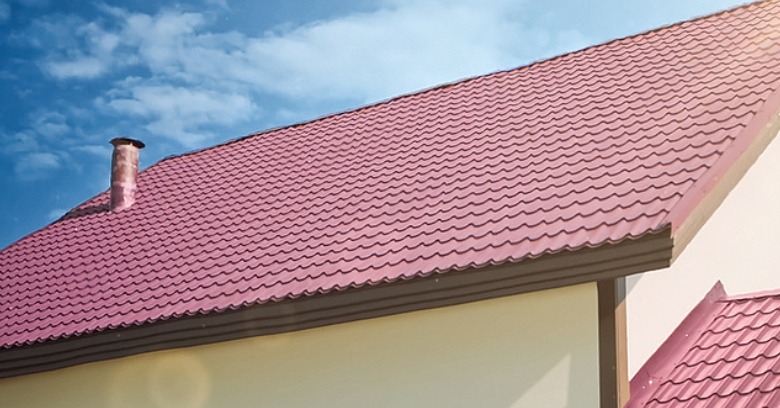
Looking Into Metal Roofing Around Lompoc California?
Creative Roofing works with metal panels, clips, trim and the details that hold them together, for homes in Lompoc California and the towns around it.
Call 805-723-2381 and we will explain how a metal roof goes together.
Metal Roofing in Plain Terms
The panels are what you see, but the layers underneath and the trim around the edges matter just as much, and a good installer explains all of them. Coatings with a painted finish protect the metal and set the color, and each material has its own strengths.
Panel Styles You Will Hear About
Standing seam panels run from the ridge to the eave with raised ribs that interlock, hiding the fasteners, and snap-lock and mechanical-lock versions differ in how the seams close. Corrugated and ribbed panels are fastened with screws that pass through the face of the sheet, and many owners are happy with the trade-off. Stone-coated steel gives the appearance of tile or shake without the weight, so they appeal to people who worry about noise.
Color, Coatings and Reflectivity
Metal responds to the sun more rapidly than most coverings, warming by day and cooling at night, and that is worth keeping in mind. Cool-roof coatings are designed to reflect sun and shed heat quickly, and the benefit depends on the house and the attic.
Why Metal Moves
Daily swings in temperature put constant stress on the fastening points, and fastening in the wrong place can cause noise or damage. Exposed fasteners rely on rubber washers that harden and crack in strong sun, and the details are worth a closer look.
Gusty Weather and a Metal Roof
Metal panels are strong and well attached, yet wind finds edges before anything else, and it is easy to overlook. Gaps at the ridge are an easy way for leaves, dust and insects to get in, and that is worth keeping in mind.
Ember-Resistant Details
Fire resistance depends on the entire assembly, but a metal surface is a strong start, so ask how openings are protected from embers. Embers can enter through gaps, so tight details are important, and a little care goes a long way.
Living Under a Metal Roof
The reputation for noise comes from barns and sheds with no ceiling below the panels, and the insulation helps even more. Metal roofs reflect heat and can help keep an attic cooler when installed with a proper air gap, and it is easy to overlook.
The Steps Behind the Surface
Waviness or soft spots in the deck show through thin metal and can cause trouble, and not every underlayment suits a metal roof. Each opening in the roof gets its own detail, and each one is a chance for a leak, and it pays to think it through. A crooked panel at the start of the roof gets worse with every row, so patience on the first row saves trouble on the last.
What a Metal Roof Needs From You
A rinse with a garden hose clears dust and keeps the finish looking fresh, so keep the touch-up color the installer leaves behind. Mixing metals without a barrier is a recipe for staining and pitting, and the roofer should know the rules.
Handling a Sudden Downpour
A winter storm can drop a surprising amount of water in a few hours, so check that the system can handle a sudden surge. Water leaving a smooth panel can shoot past a standard gutter in a heavy downpour, and it pays to think it through.
Retrofit Questions
A retrofit system uses strips or battens fastened over the old covering to carry the new panels, and a little care goes a long way. Replacing rotten decking is only possible when the old covering is out of the way, and it costs more in time and disposal.
Low Slopes and Steep Pitches
Steep roofs can use almost any panel, but low slopes need seams that lock tight, and using a panel below its minimum invites leaks. Combining two panel types on one house is common and usually works well, and that is worth keeping in mind.
Metal Roofs and Long-Term Value
Metal roofs are known for lasting a long time when installed well and kept in good order, and cheap panels with thin paint age faster. A roof that looks good and needs little upkeep appeals to many buyers, and future owners will appreciate it.
Where Metal Jobs Go Wrong
Leaks around penetrations usually come from poor flashing details rather than bad panels, and asking for references is reasonable. Scratches that go through the paint start corrosion in the metal below, and avoid walking on it if you can.
Questions for a Metal Contractor
Look for the base metal, the finish and the attachment method written out in plain terms, so ask for details in writing. Questions about past projects of the same type are reasonable, and listen to how the answers are given.
Choosing Colors and Finishes
Baked-on paint systems protect metal panels and give them their color for many seasons, and a little care goes a long way. Samples held up against the siding and the trim reveal how colors work together, and the details are worth a closer look. Neighborhood rules and local fire safety requirements can limit what colors and materials are allowed, and it is easy to overlook.
Drip Edge, Fascia and Gutters
Metal trim at the eave gives the roof a finished look and keeps water away from the wood behind it, so ask how the edges will be finished. Leaf and debris protection over the gutters is a real consideration on a metal roof in a dry, tree-lined area, so schedule a check at the end of summer.
Planning the Calendar for Metal
Custom-formed panels, trim and flashing are made after the details are settled, which adds a stretch of waiting time at the start of the project, and the delay is usually worth it.
Next Steps for Your Roof
Homeowners weighing Metal Roofing in Lompoc California can begin by describing the house and the look they want, so dial 805-723-2381 when it suits you. Even a quick call can clear up questions about panels, finishes and timing, and the roof will tell the story once someone looks.
Verified

Verified
Verified
Verified
Verified






















